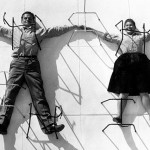











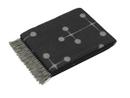
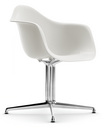
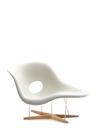
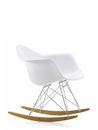
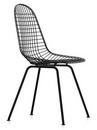
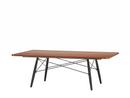
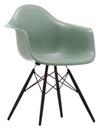
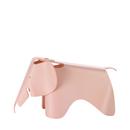
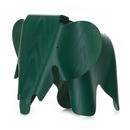
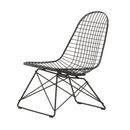
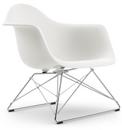
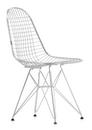
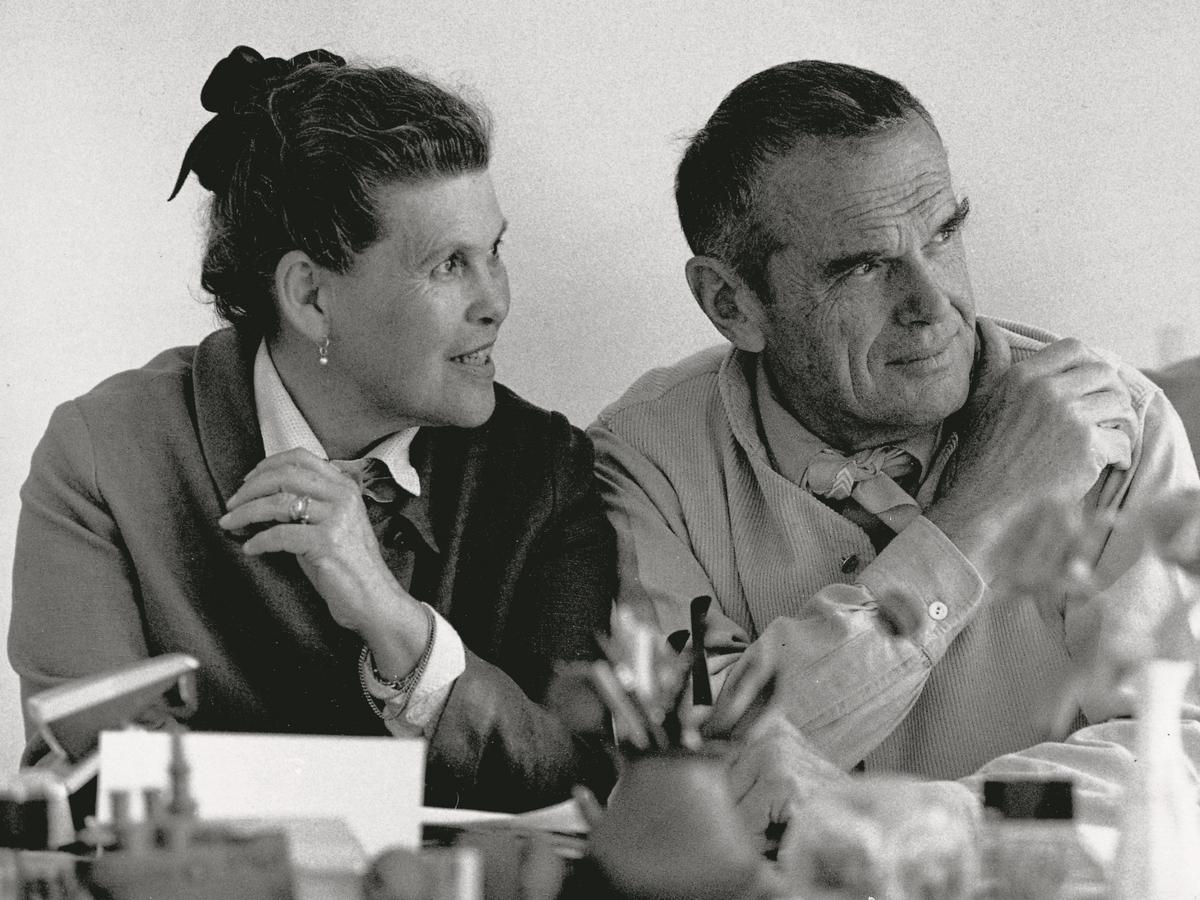
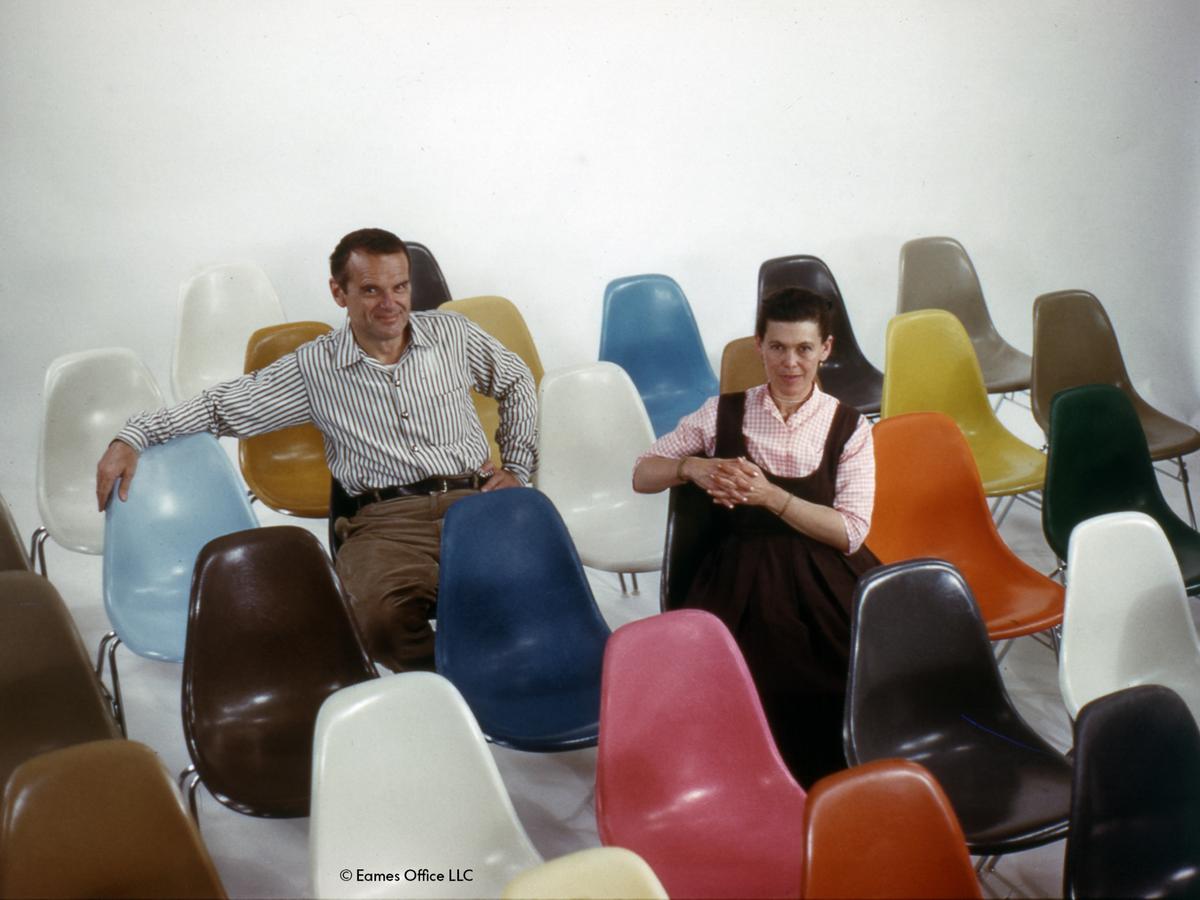


Charles Eames (born 1907 in St. Louis/USA; died 1978 in St. Louis,/USA) studied architecture at Washington University in St. Louis and in 1930 opened his own office together with Charles M. Gray. In 1935 he founded a second architectural firm with Robert T. Walsh. After receiving a fellowship in 1938 from the Cranbrook Academy of Art, he moved to Michigan and assumed a teaching position in the design department the following year. In 1940, Charles Eames and Eero Saarinen won first prize for their joint entry Organic chair (also known as Conversation Chair) in the competition "Organic Design in Home Furnishings" organized by the New York Museum of Modern Art (MoMa). During the same year, Eames became head of the department of industrial design at Cranbrook. In 1941 he married Ray Kaiser.
Ray Eames (née Bernice Alexandra Kaiser, born 1912 Sacramento/USA; died 1988 ) , attended the May Friend Bennet School in Millbrook, New York, and continued her studies in painting under Hans Hofmann through 1937. During this year she exhibited her work in the first exhibition of the American Abstract Artists group at the Riverside Museum in New York. She matriculated at the Cranbrook Academy of Art in 1940 and married Charles Eames the following year.

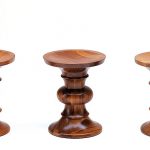
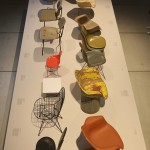
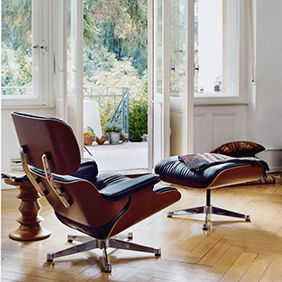
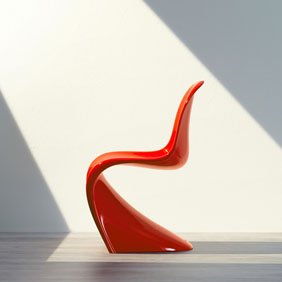
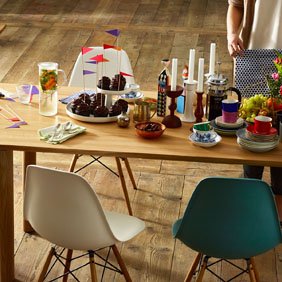
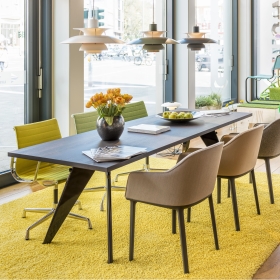
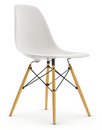
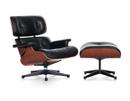
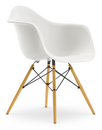
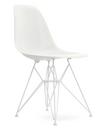
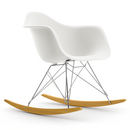
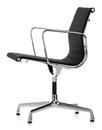
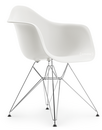
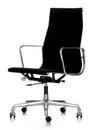
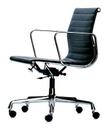
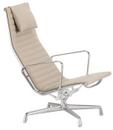
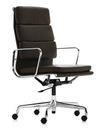
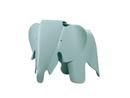
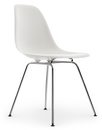
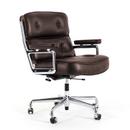
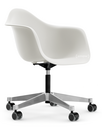
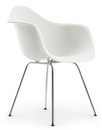
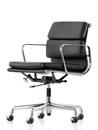
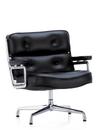
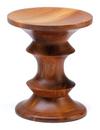
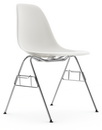
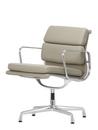
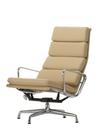
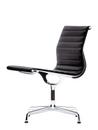
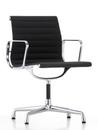
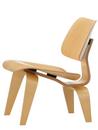
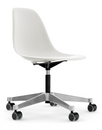
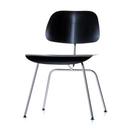
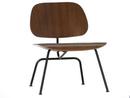
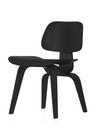
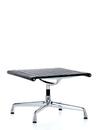
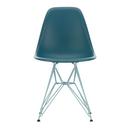
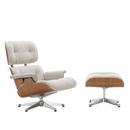
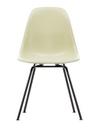
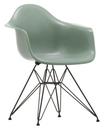
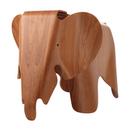
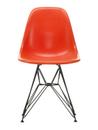
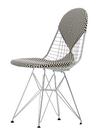
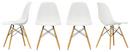
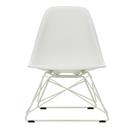
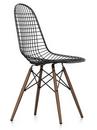
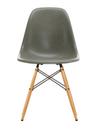
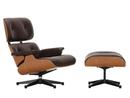
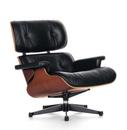
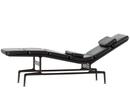
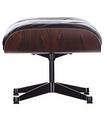
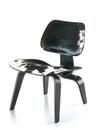
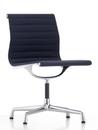
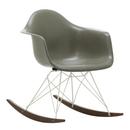
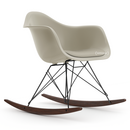
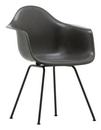
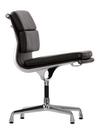
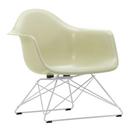
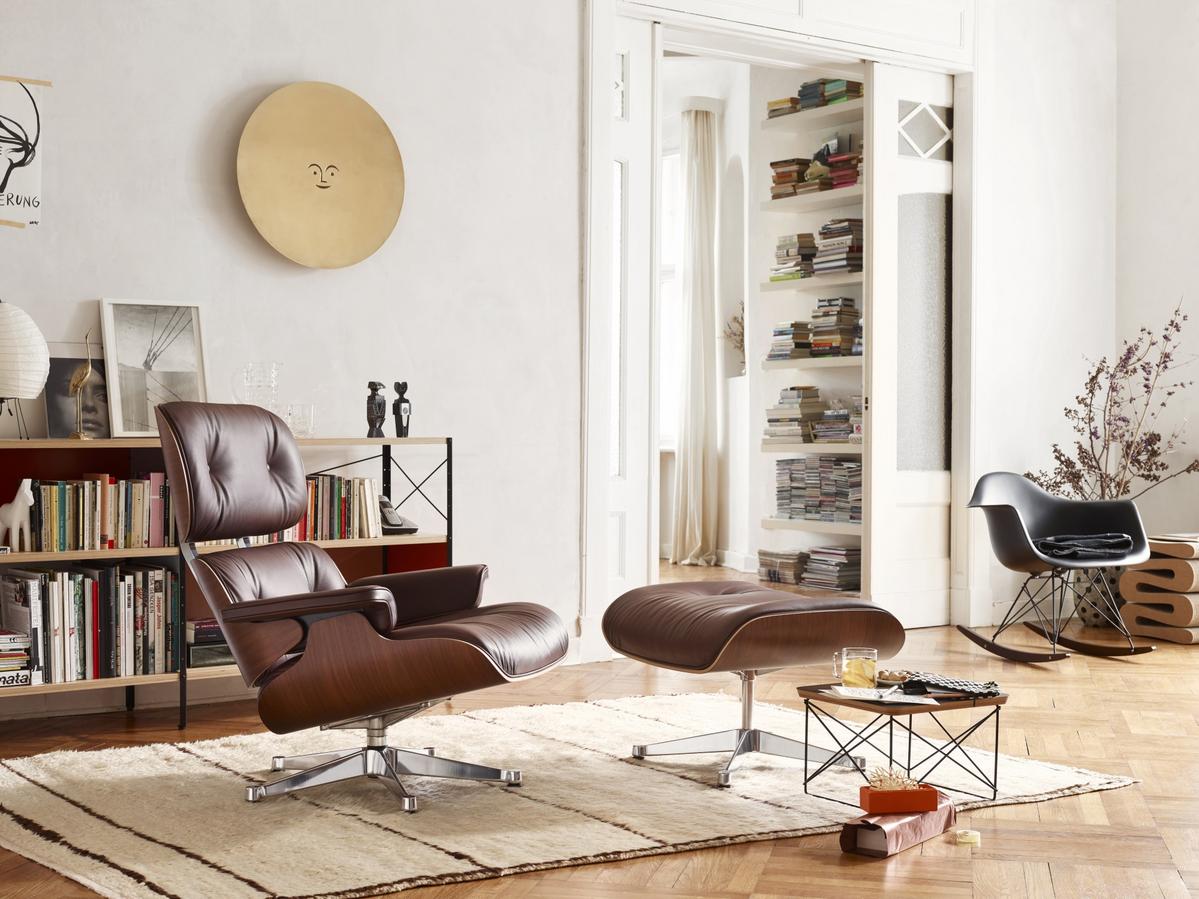
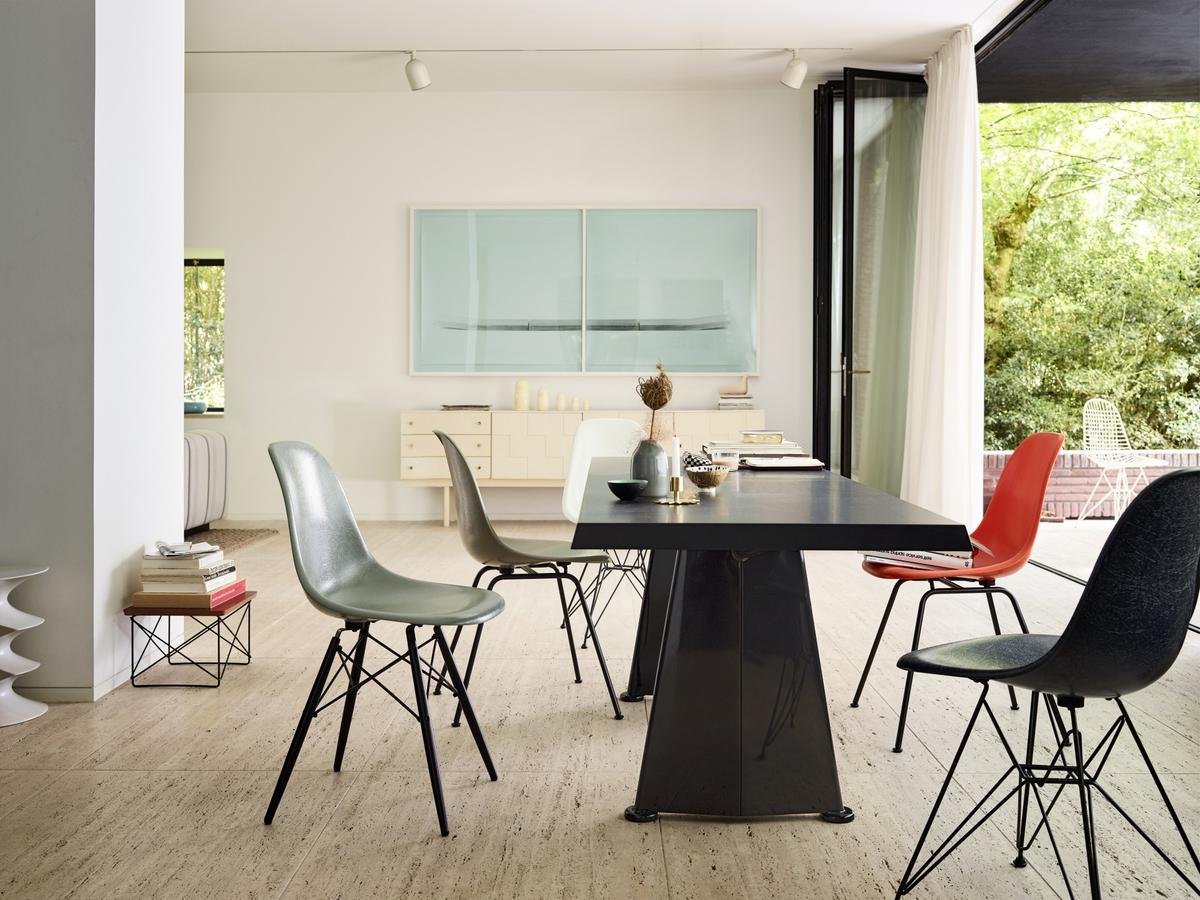
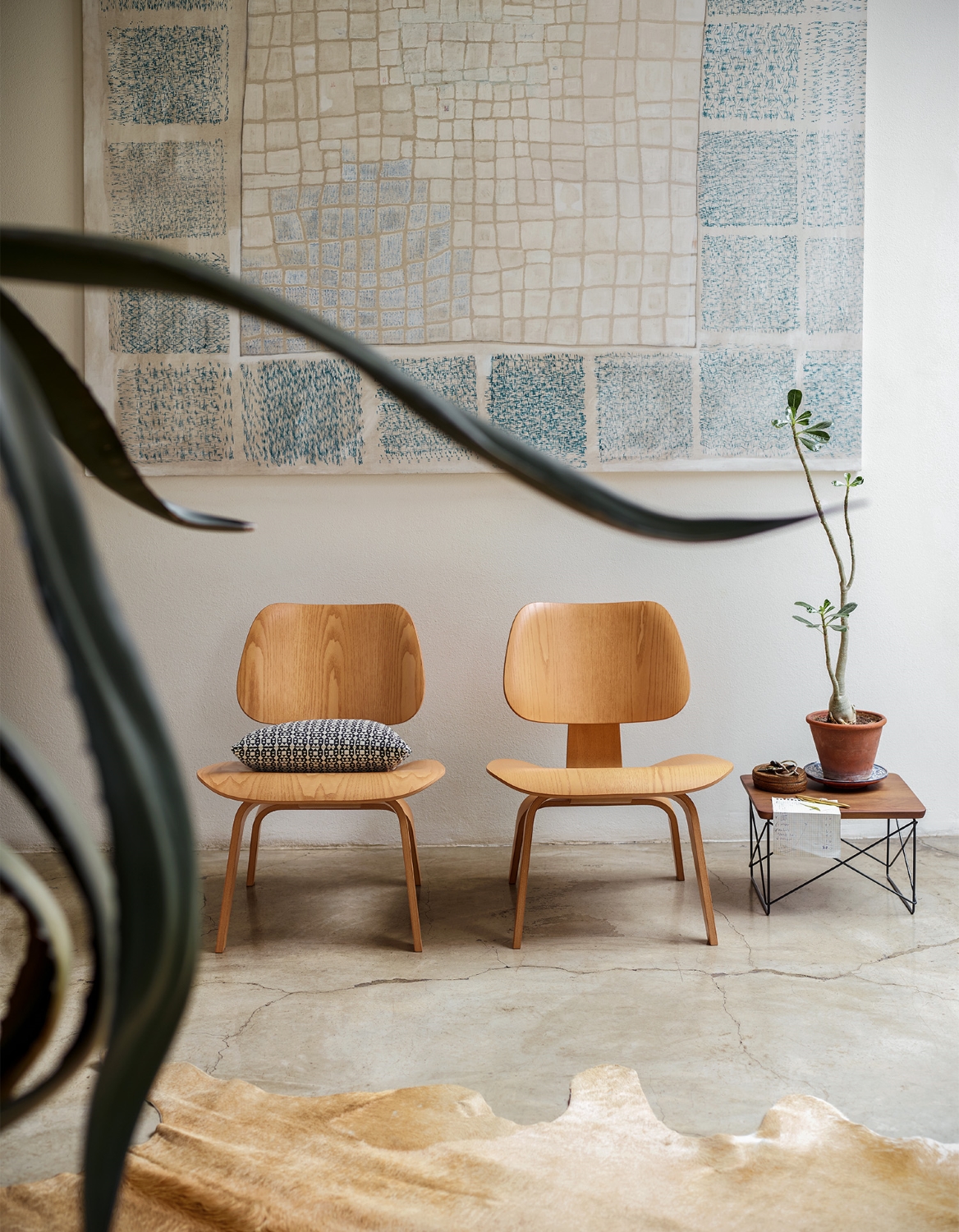
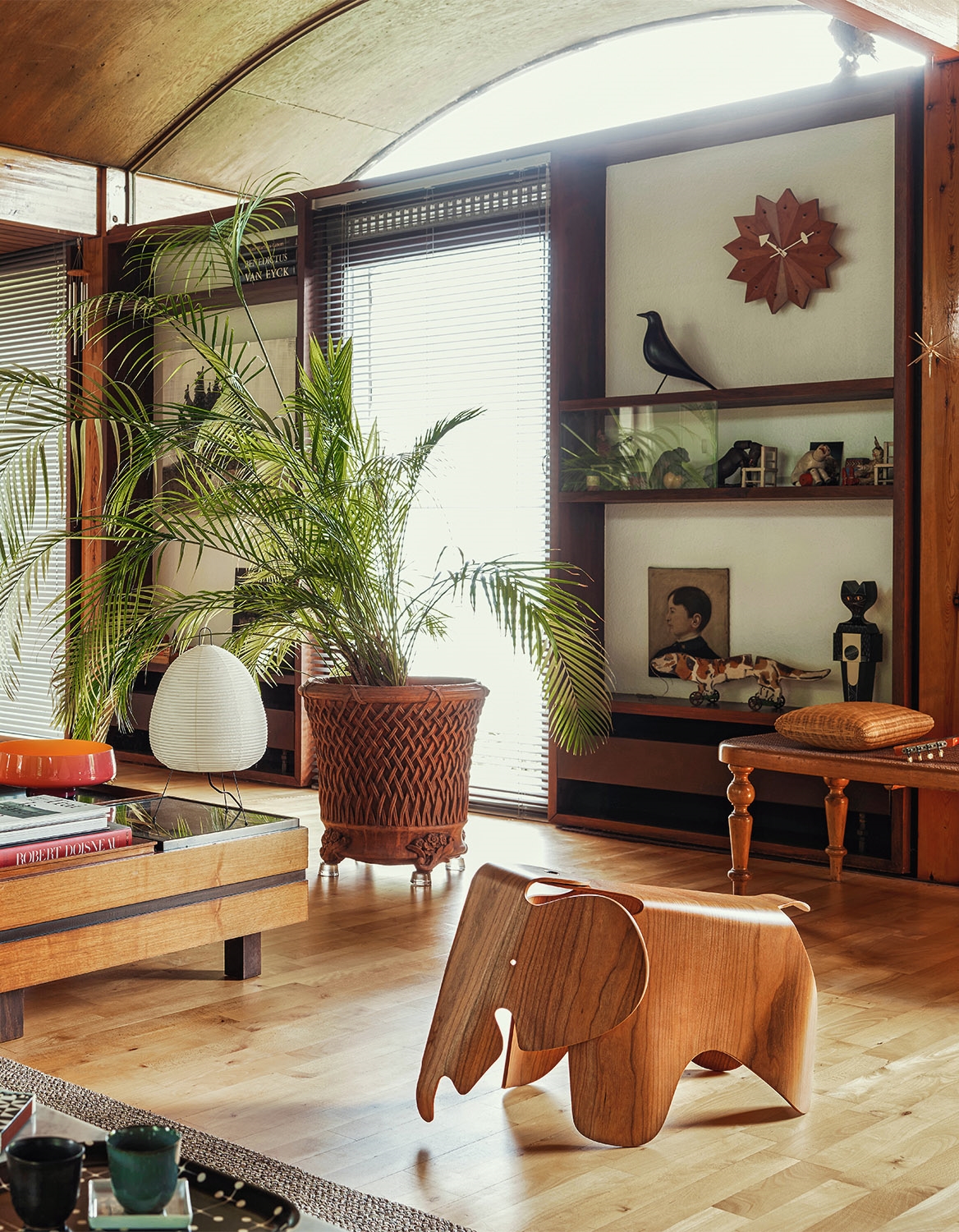
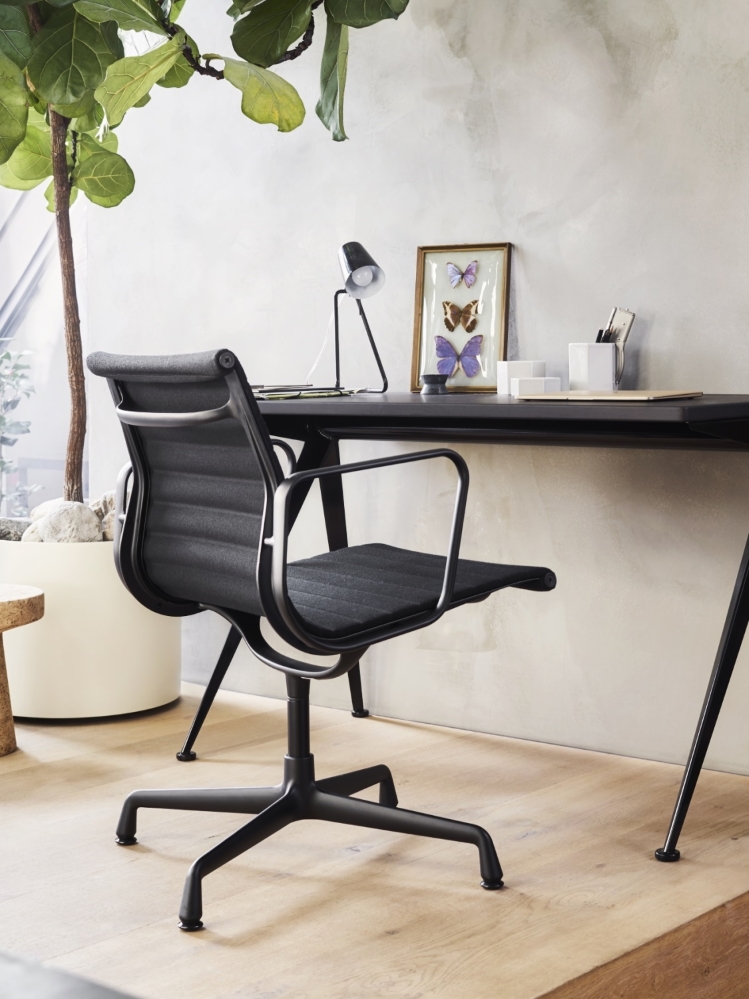
Charles Eames and Bernice Alexandra Kaiser first met at Cranbrook Academy of Art in 1940 and married in 1941. In the same year the pair moved to Los Angeles and established their own design studio -Eames Office. Following their work with plywood for the US military it came as no surprise that their first furniture creations were also plywood; for example design chairs such as the DCW and LCW and accessories such as their folding screen or their Eames Elephant. In the late 1940s Eames started to seriously experiment with modern materials, including fibreglass resin. Apart from their natural desire to test modern technology, the step was also true to one of Charles Eames' mottos: "The most of the best to the greatest number of people for the least". The Organic chair produced in 1940 by Charles Eames and Eero Saarinen had been their first attempt at a fibreglass chair, however it was not until the 1950s that the technology became available to produce such chairs in large quantities. The fibreglass armchair and sidechair ranges from Charles and Ray Eames, including such classics as the Eames DSR, DAR or DAW were the most obvious fruits of that period. In 1993 Vitra switched from fibreglass resin to the more environmentally friendly recyclable polypropylene for the production of the, now, plastic armchair and plastic side chair ranges. 1956 saw the creation of one of the most easily recognisable of all Charles and Ray Eames's work the Eames Lounge chair and Ottoman - a modern interpretation of the classic English Gentleman's Club chair. Following the success of their Lounge chair Charles and Ray Eames again switched material with their aluminium chair range (eg. EA 117, EA 119 ), before in 1960 their undertook one of their most famous commissions - creating lobby chairs and stools for the Rockefeller Centre in New York by Time Inc. The resulting walnut Eames stools and the Eames Lobby Chairs ES 104, ES 105 and ES 106 remaining amongst the most iconic of mid-20th century American design. From a design career that spanned three decades, Charles and Ray Eames left the world a rich heritage of designer furniture and design philosophy that continues to motivate, excite and enthral designers, consumers and critics alike.
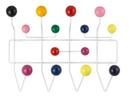
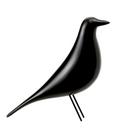
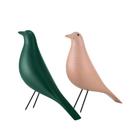
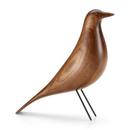
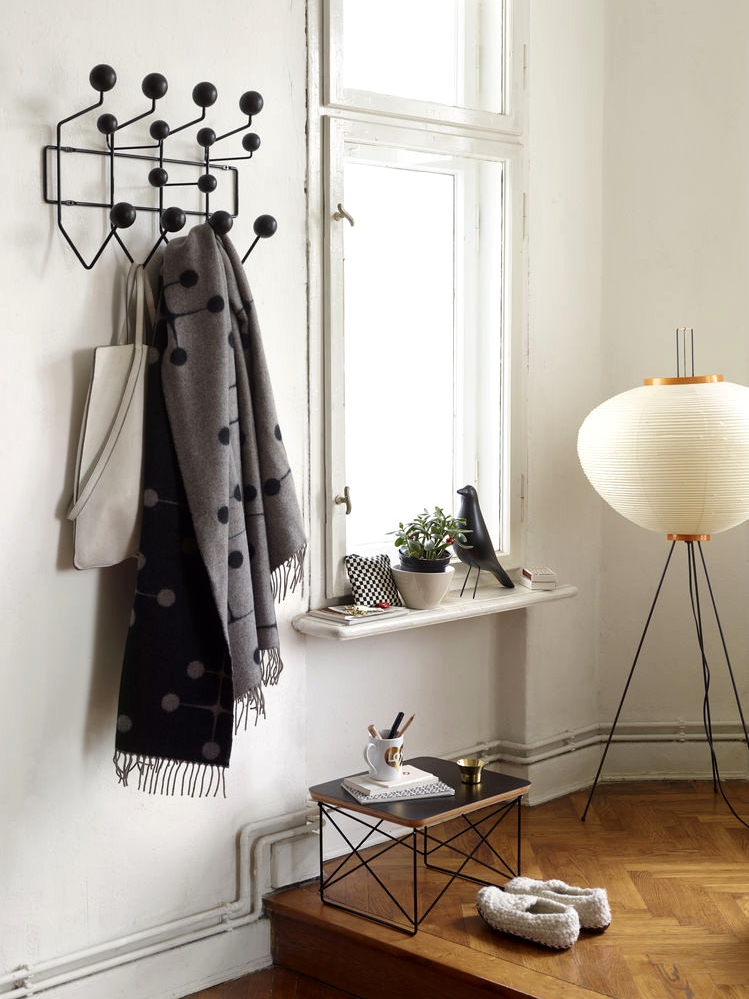
The relationship between Charles and Ray Eames and Vitra may have started somewhat unconventionally, but was to prove to be enormously successful for both. On his first visit to USA in 1953 Vitra founder Willi Fehlbaum was travelling in a taxi when he saw a chair in a shop window that caught his attention. Stopping the taxi to take a closer look, he discovered that the chair in question was a plywood chair from Charles and Ray Eames. Fascinated and enamoured with the Eames chair design Fehlbaum approached the producer - Hermann Miller - to request permission to produce the Eames products. In 1957 Vitra finally received a license to produce the designer furniture of Charles and Ray Eames and in 1984 Vitra received the rights to all Charles and Ray Eames products for Europe and the Middle East; not only Vitra chairs but also complementary products such as the Eames Hang it All, Eames Elephant or Eames House Bird. The relationship between Vitra and Charles and Ray Eames however was much more than simply one of designer and producer. Willi and Erika Fehlbaum and Ray and Charles Eames became very good friends and Charles Eames was to become one of Willi Fehlbaums most important mentors and in doing so helped shaped the Vitra philosophy. Indeed even today when an important decision needs to be made at Vitra the question is thrown in the room "What would Charles and Ray do?"
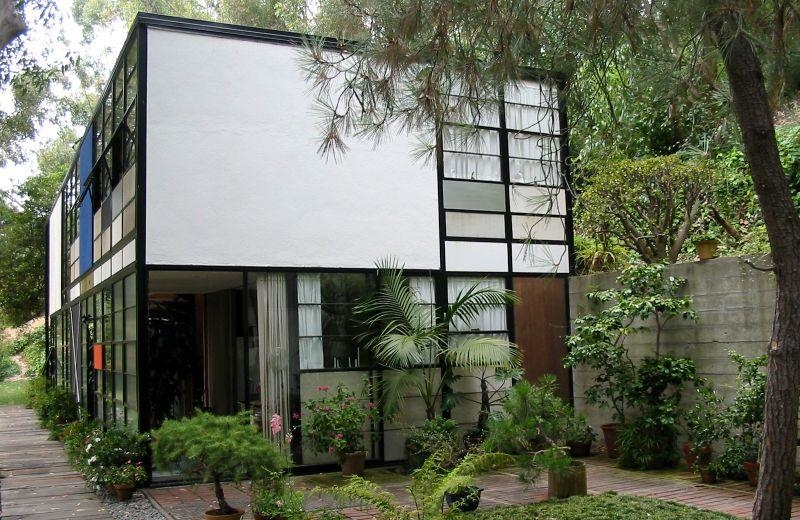
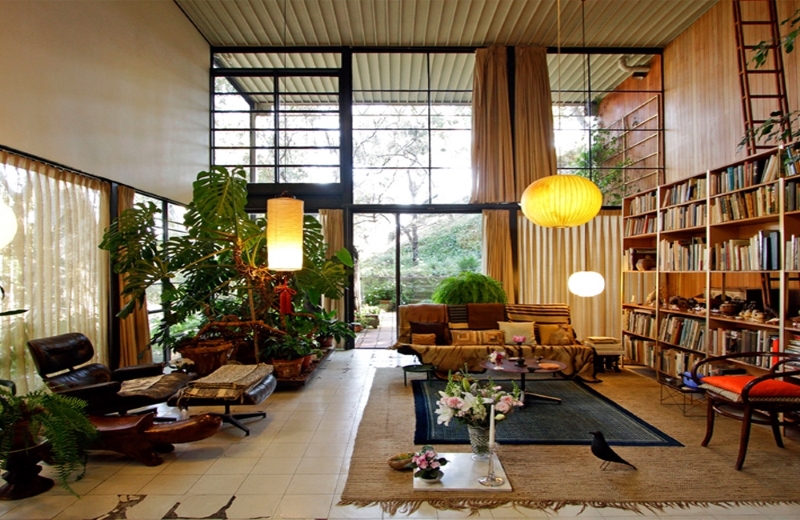
In 1949 Charles and Ray Eames built themselves a house in Pacific Palisades which not only plays an important role in 20th century architecture, but also beautifully symbolises the work and philosophy of the design pair. The house was created as part of the "Case Study House Program" for the US magazine "Arts & Architecture", in which Architects and designers were asked to create houses appropriate for specific end-user groups; the aim being to encourage debate and innovation in American post-war house design. The house from Charles and Ray Eames was fitted to their own situation; a young couple seeking a home in which to live and work. The Eames House is based on a modular system and is almost exclusively based on elements from industrial series production. As such the Eames House wonderfully reflects Charles and Ray Eames' fascination with using the latest technology and testing the boundaries of what that technology can offer. In addition to its architectural relevance the Eames House is also important in terms of the interior design employed by Charles and Ray Eames. Rather than a uniform, monotone interior the Eames House is a living manifestation of the Eames's collage - or mix and match - philosophy; mixing new and old, different styles and concepts and treating the living space as a continual "work in progress". The resulting personal, informal atmosphere created by the Eames Collage approach and the impression it left of Willi Fehlbaum was to greatly influence Vitra's philosophy towards design.
Charles and Ray Eames influence on our modern world goes beyond simple architecture and designer furniture - much more the legacy of Charles and Ray Eames is their philosophy towards design, the organisation of space and the role of design in our every day lives.
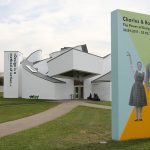
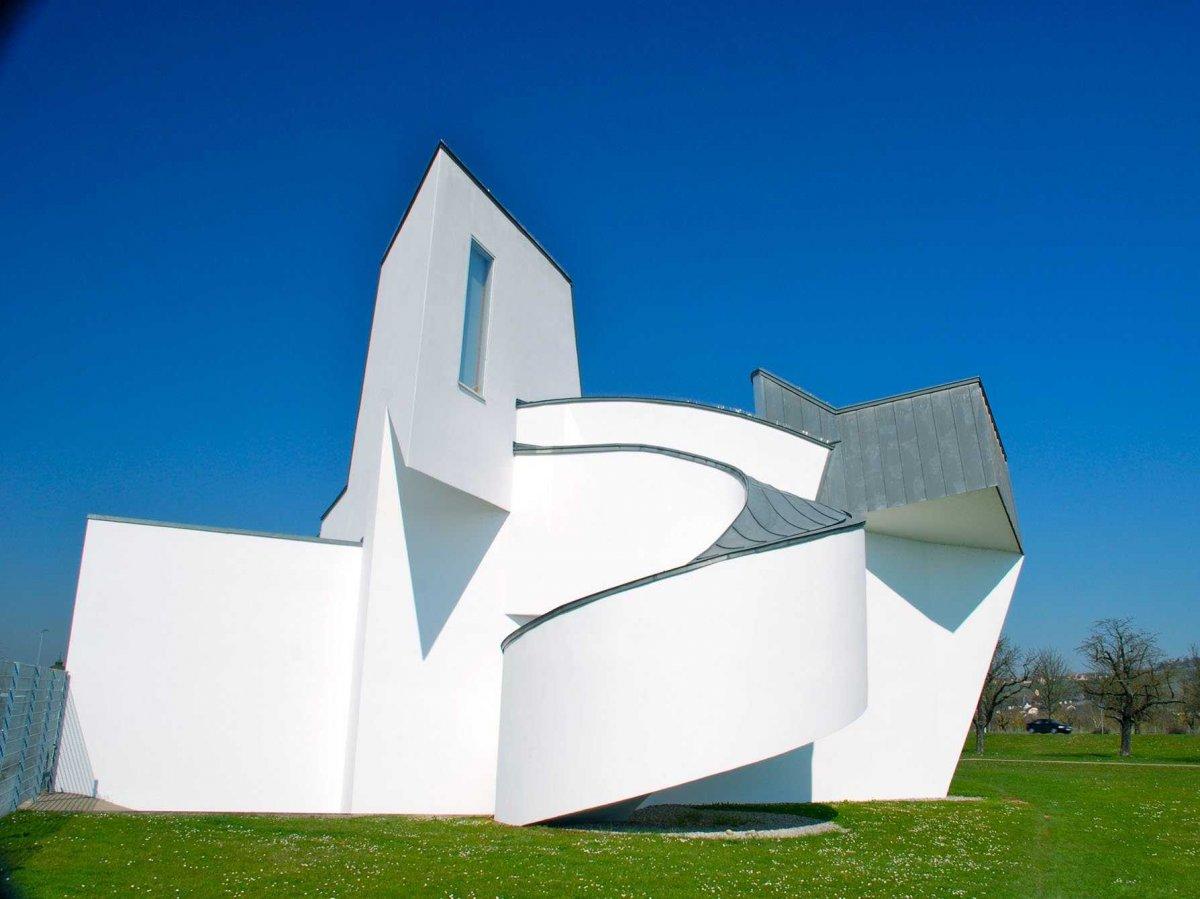
The Vitra Design Museum was created by Rolf Fehlbaum, son of Vitra founders Willi and Erika Fehlbaum, as a museum for important and influential 20th century design, and in that sense is based to a great extent on the work of Charles and Ray Eames and their work with Vitra. In addition to displaying the work - both finished articles as well as prototypes and sketches - in the permanent collection, the Vitra Design Museum also compiled, in conjunction with Library of Congress, Washington D.C., the travelling exhibition "The Work of Charles & Ray Eames" which since its conception in 1997 has been shown in London, New York, Berlin and Tel Aviv.