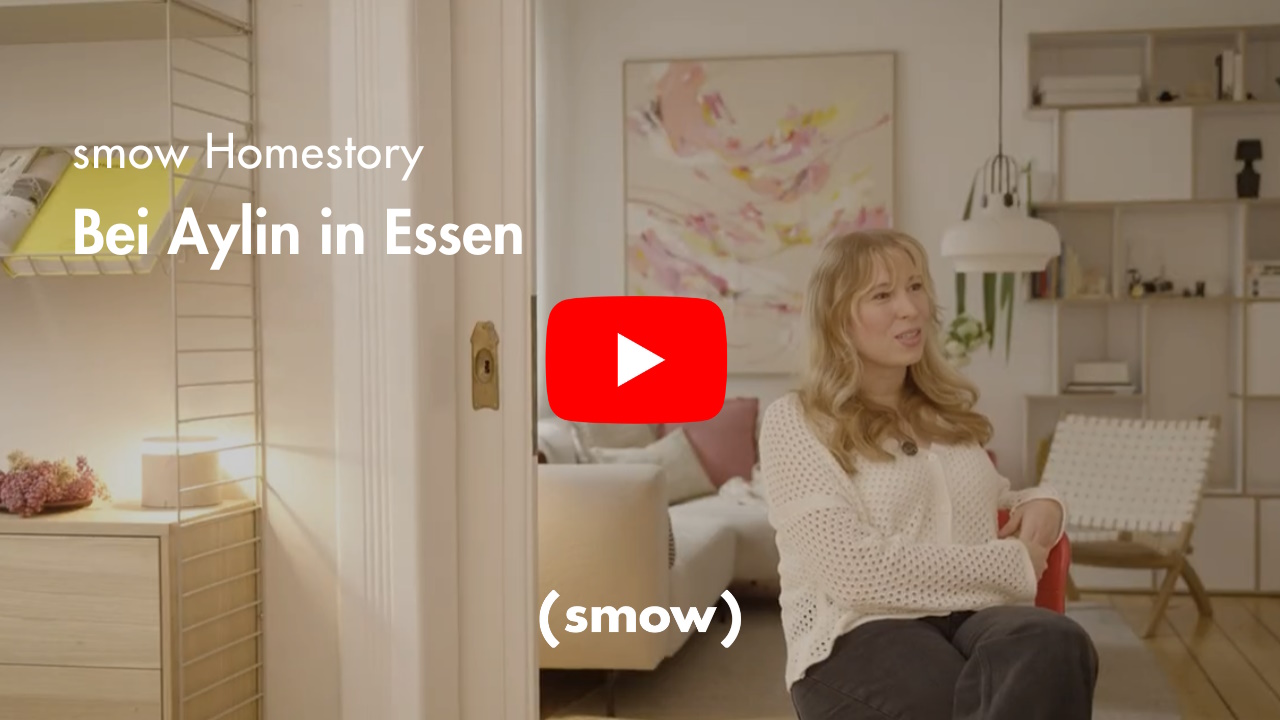
There are homes that you walk into and immediately understand who lives there. That's the case with Aylin, also known as Aya. Her home feels like a warm haven in everyday life – open, friendly and characterised by an intuitive sense of design. Perhaps this is because Aya is at home in both art and interior design. And perhaps also because she has learned that timelessness is not something rigid, but rather a feeling of harmony: choosing things that are allowed to remain and being brave enough to constantly reinvent yourself. Her home reflects exactly that – personal, approachable and full of little stories.
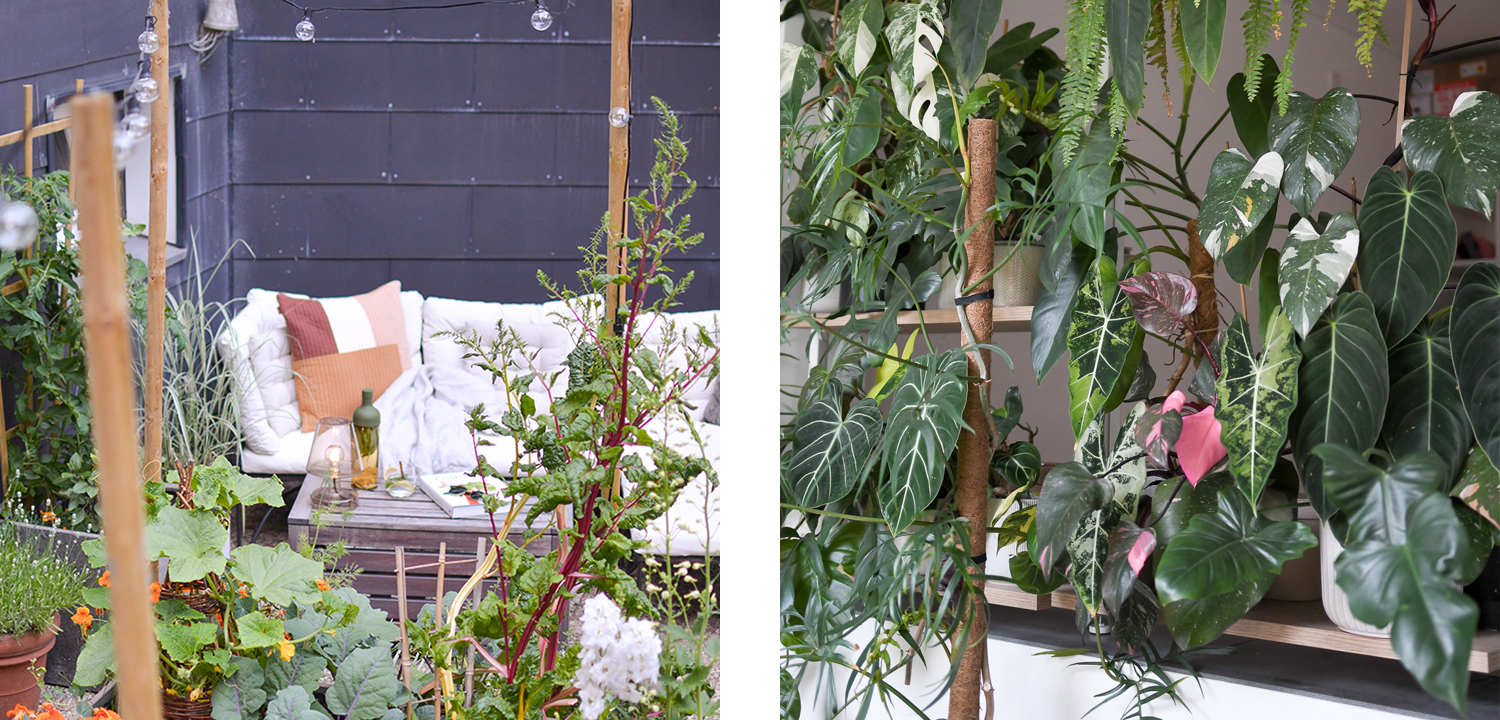
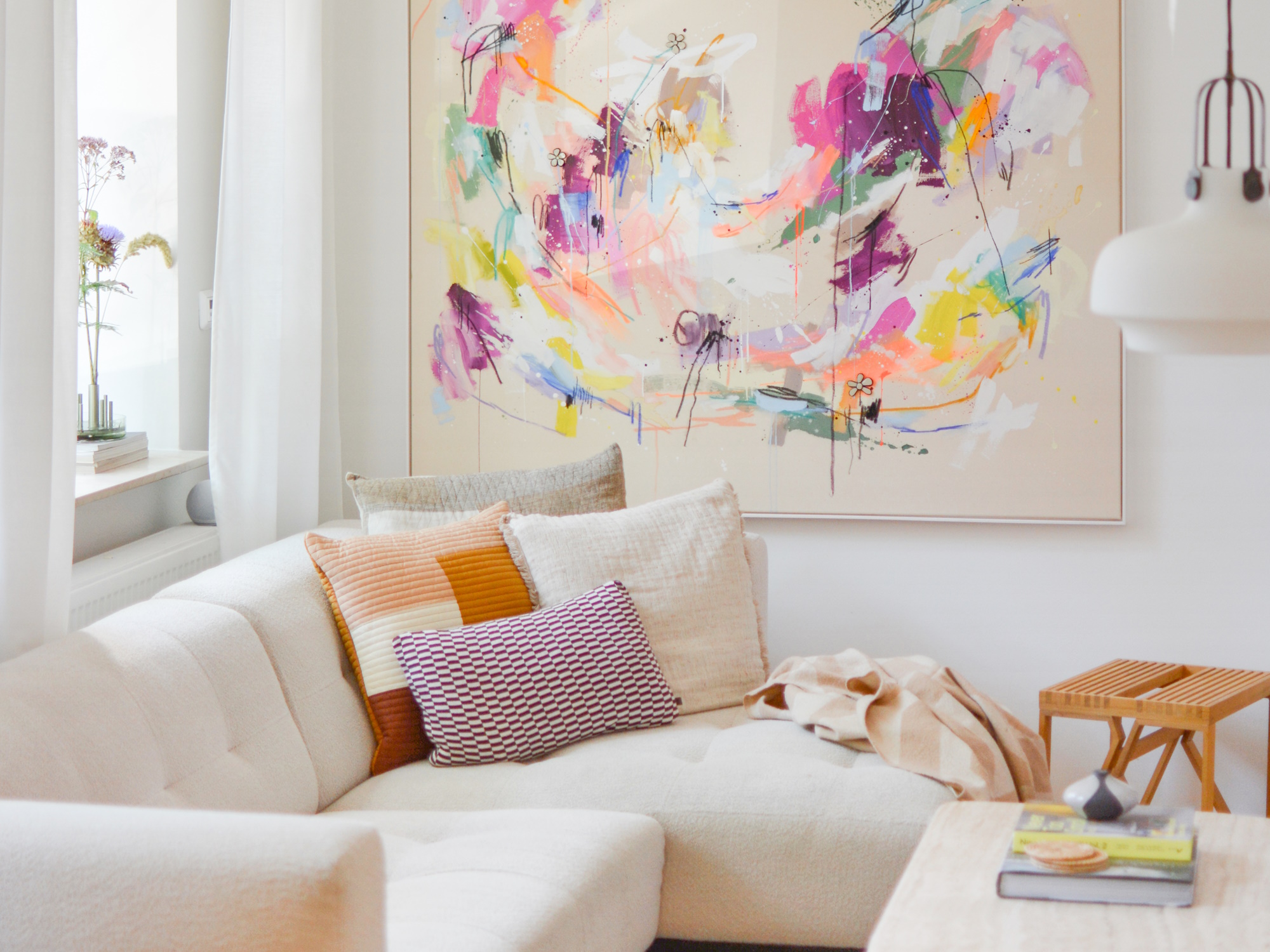
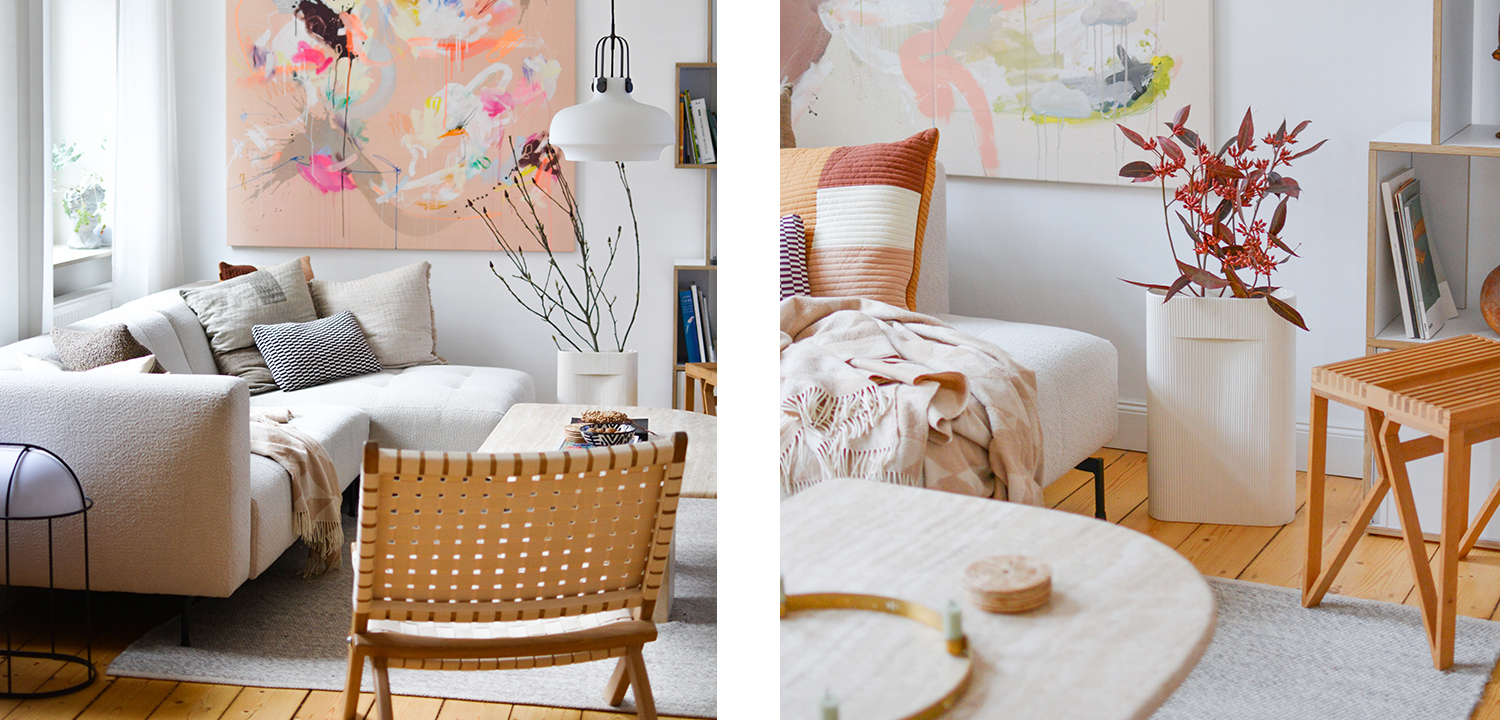
Aylin's flat used to be dominated by calm beige and white – safe, unexciting tones that met modern standards. Today, Aya adds small splashes of pink, orange and yellow, which bring her rooms to life and reflect her personality. Painting has had a decisive influence on this change: for her, colour is not just decoration, but an expression of courage and joie de vivre. Even as a child, she observed how much joy it brought to design rooms in her father's painting and varnishing company. This joy has remained – in every picture, every arrangement and every accessory that characterises her home.
When you enter Aylin's rooms, you immediately notice her keen sense of materials, form and combination. Timeless design classics meet homemade furniture, flea market finds and design pieces that Aya has long desired. Everything appears individual without being restless; each object fulfils its place in harmony with the others. The changing artwork on the walls is another design element: a new picture changes the mood of the room, shifts the focus and initiates small, subtle dialogues between furniture, materials and objects. This keeps Aylin's home lively without losing its clear expression – a place that continues to evolve while its core remains timeless and harmonious.
We accompany Aya behind the scenes of her home and studio life: in an interview, she talks about her attitude to art, interior design and timelessness, from design classics to personal favourites. In the video, she shows us her most important pieces of furniture, talks about creative moments – and why it is just as important for her to get her hands dirty in the soil as it is to stand at the easel. A lively tour of a home that is as personal, conscious and full of stories as its owner herself.
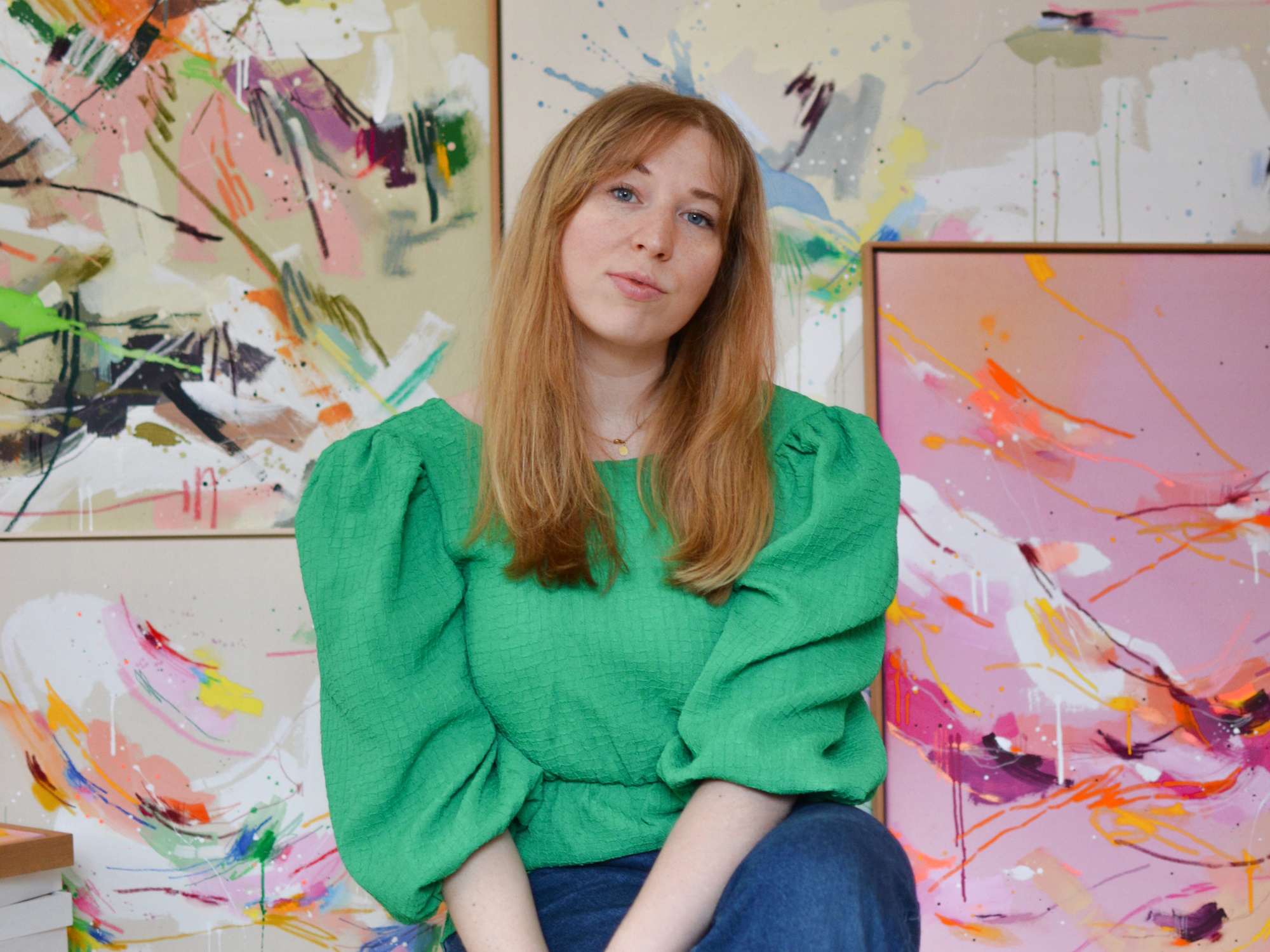
smow: Aylin, please introduce yourself briefly!
Aylin: I'm Aylin – most people call me Aya. I trained as an interior designer and eventually found my way into the art scene, mainly through social media. However, as art and interior design go well together, I feel at home in both worlds.
smow: In your video, you give us a tour of your home. If you had to choose a single piece of furniture that best embodies your attitude towards 'timelessness in design' when you enter your flat, which one would you choose and why?
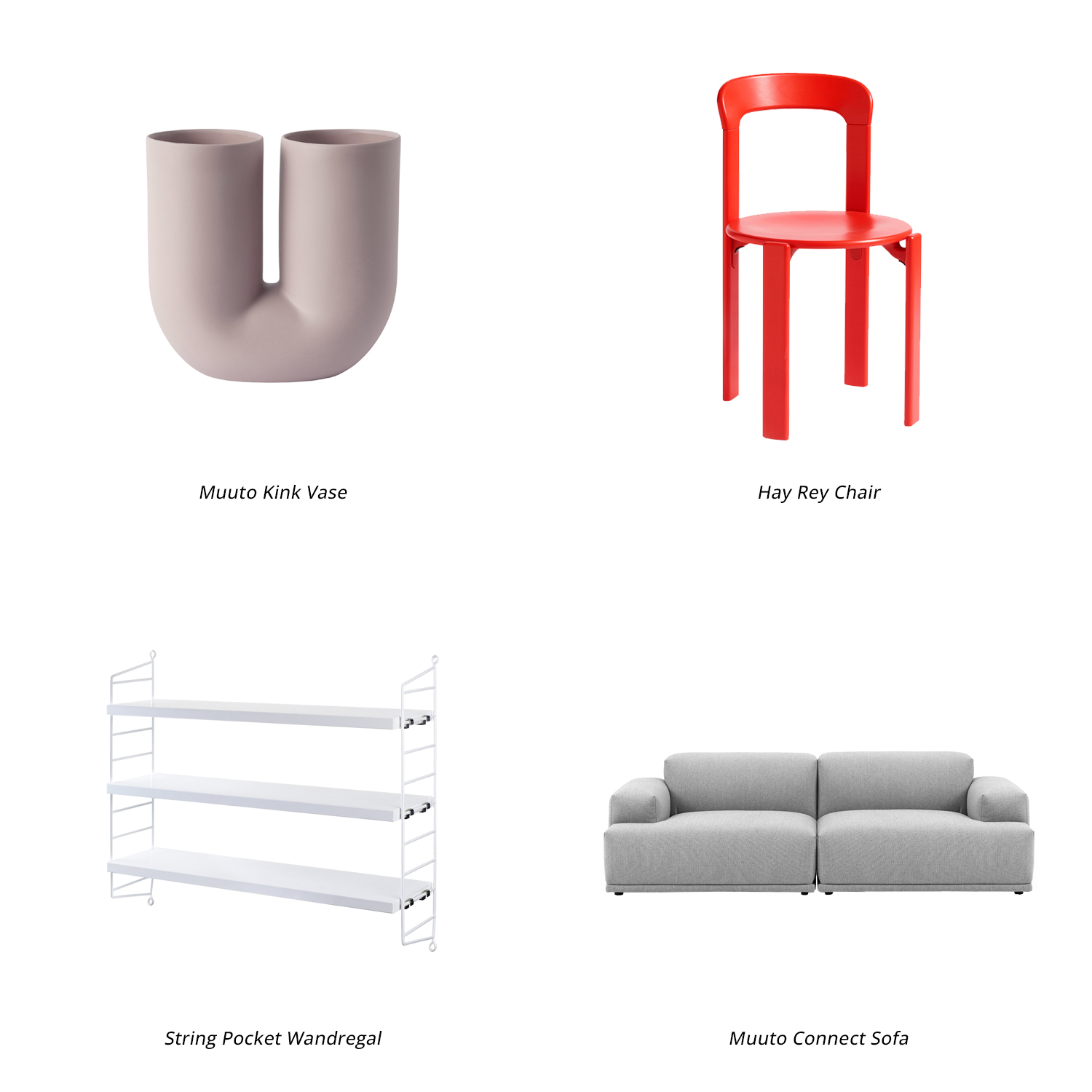
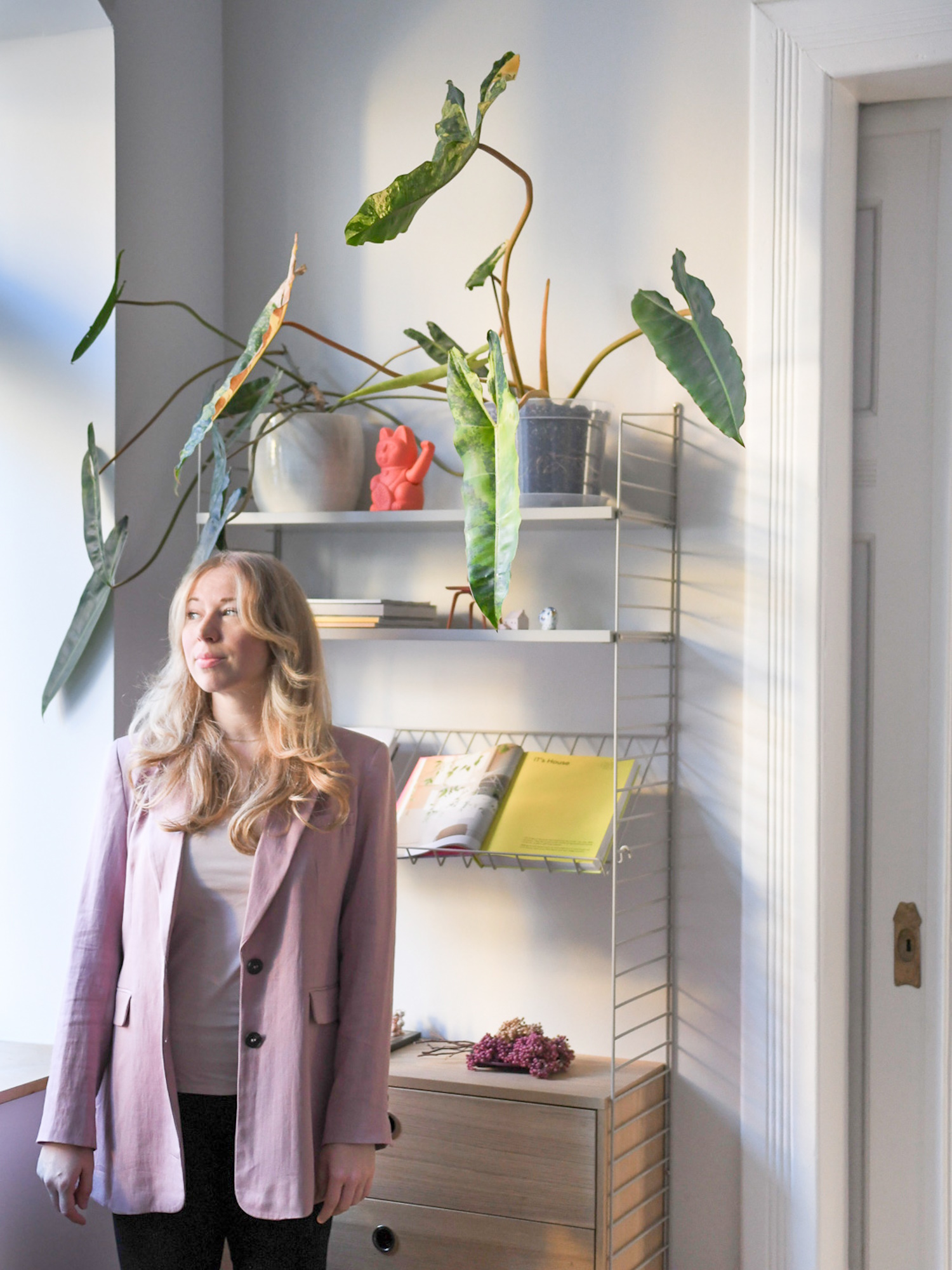
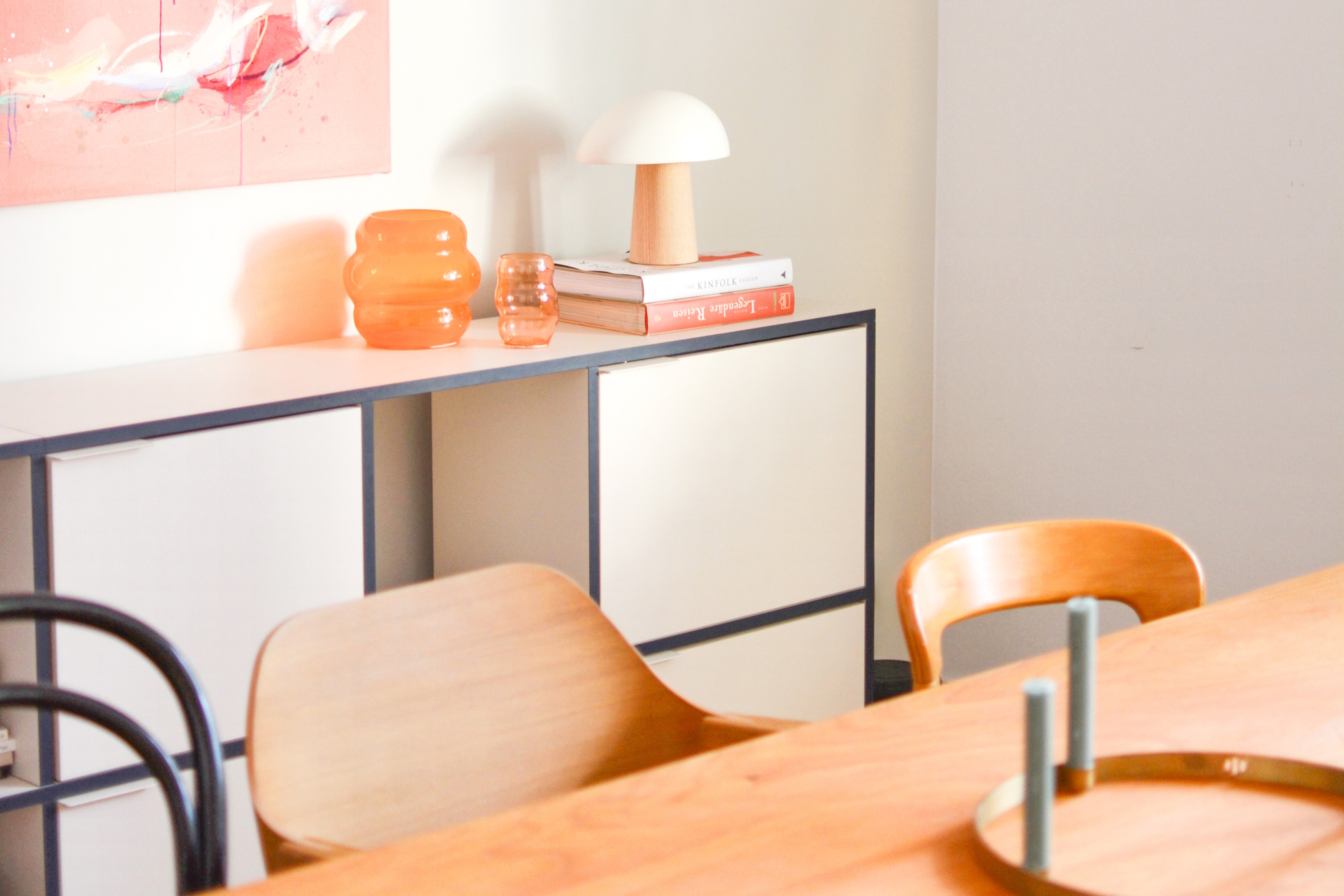
Aylin: Probably my String shelf in the dining room. The design has been around forever, will probably be around forever, and thanks to its modular construction, it can be reconfigured again and again to suit your lifestyle and living situation. I also like the fact that the shelf simply offers me a beautiful display option for my favourite decorative items and illustrated books. So it's functional, but still always shows the personality of its owner.
smow: Deceleration is often understood as the opposite of fast-paced living – how does this concept translate into the selection, placement and use of designer furniture in your home?
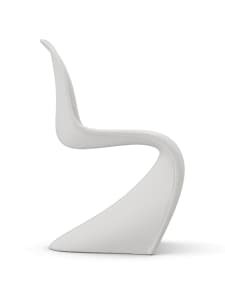
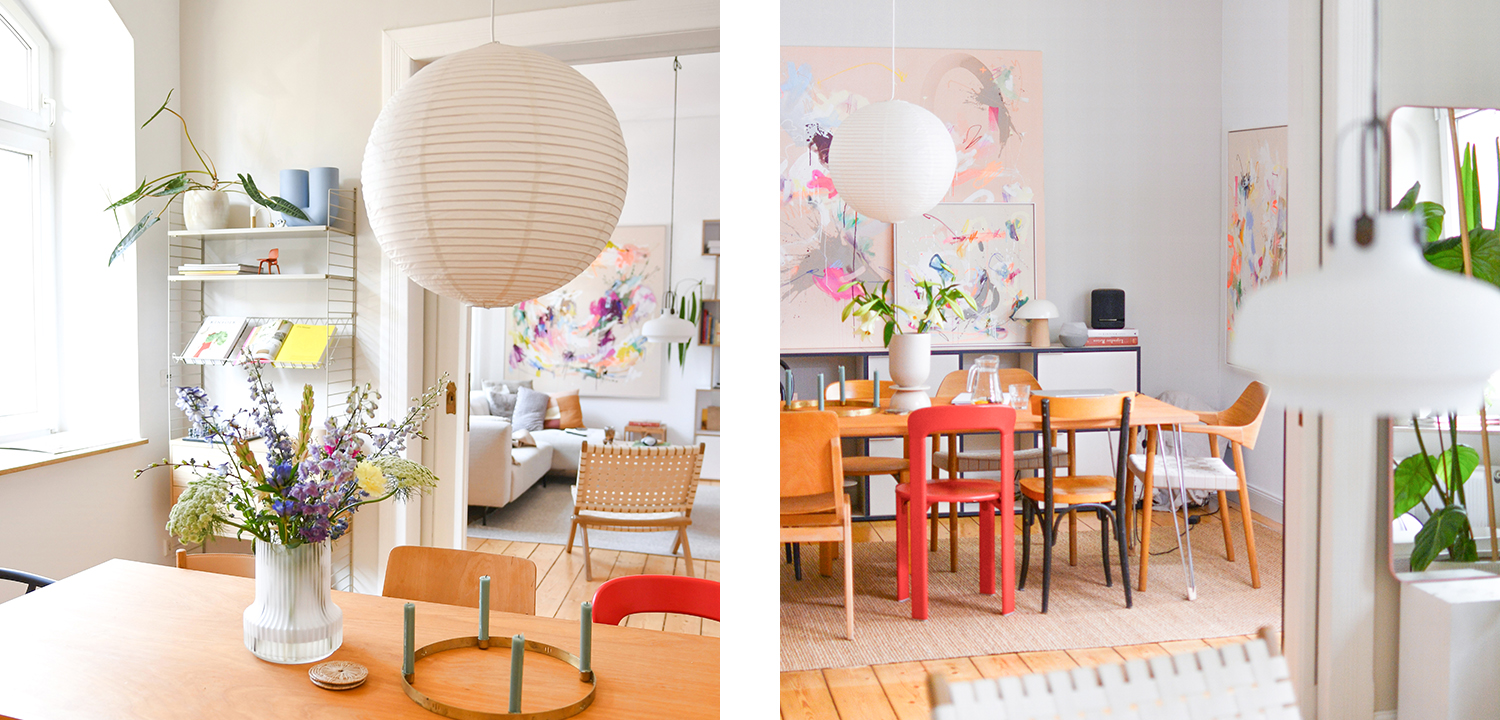
Aylin: I'm generally not a fan of this fast-paced consumer culture. I prefer to save up for individual pieces that will last me a long time and really suit me. I like the mix of special design classics as eye-catchers combined with simple, sometimes even second-hand furniture. A good example is our dining table: the table is homemade, and we have a few designer chairs that have been on our wish list forever, mixed with flea market finds. For me, this makes the room feel lively and authentic. I think slowing down also means choosing things consciously and letting your own style emerge.
smow: How do you view the relationship between art, creativity and design objects in your living space?
Aylin: For me, interior design and art simply belong together – one inspires the other. During the pandemic, I started painting again, really just because I wanted a beautiful picture that would match the colours of my interior design at the time. This then unexpectedly turned into a real passion and eventually my profession. I now regularly swap out my own works in our home – this immediately brings a breath of fresh air into the room. I often coordinate the décor a little, for example with bouquets of flowers or small colour details that pick up the tone of the current work on the wall. But to be honest, I've also learned that colour always works somehow.
smow: Was there a moment or encounter (with furniture, designers, materials) in your artistic career that permanently changed your view of furniture design?
Aylin: My architecture and interior design studies blessed me with many good examples and impressions. However, the practical and craft-based modules such as product design and furniture construction definitely helped me to appreciate the work involved in creating high-quality products. It's just SO much work from a piece of wood to a finished chair.
smow: Your interior design used to be rather subdued, in beige and white. Painting led you to colour, and now orange, pink and fuchsia appear as eye-catching accents. We love it. How did this change come about – and what does it say about your personal development and your approach to colour?
Aylin: Looking back, I now realise that I used to be quite reserved when it came to colour. Beige and white somehow felt safe and in line with modern, hip standards. Painting has completely changed that. Today, colour is an expression of courage and joie de vivre for me. I have learned to be more daring, including in my surroundings. My father has a painting and decorating company, and even as a child I saw how much fun it can be to transform rooms and play with bold colours. Our home often became a showroom for new techniques and colours. In any case, I have discovered a new joy in colours.
smow: Timelessness does not mean standing still. How do you manage to allow your home to change – with new needs, colours or furniture – and still always look like you?
Aylin: I believe that my home changes just as my art and I change. For me, timelessness does not mean that everything stays the same, but that it feels right. I've developed a good sense of what really suits me, but I've also learned that in life – and in interior design – it's okay to make mistakes. Sometimes you try something out and only realise later that it's not quite right. But that's all part of it. Every colour change and every new piece of furniture is a step in your personal development.
smow: If you had to give advice to young art or design enthusiasts who are buying their first consciously chosen piece of designer furniture – not for reasons of trendiness, but with a view to sustainability, durability and identity – what would you tell them?
Aylin: Design is like art – it should trigger an emotional connection. Don't buy something because it's all over Instagram right now, but because you've taken a moment to listen to your heart and it speaks to you. Just listen to your gut feeling. A piece of furniture should make you happy every day – even if it's not 'viral' at the moment. And ask yourself: would I still love it when the trend is over? If the answer is yes, go for it!
Your first sentence when you have unexpected visitors? "Oh, come in." Then I would rush ahead in a panic and close all the doors along the way through the hallway and quickly fold the blanket on the sofa before the visitors have taken off their shoes.
Colour or shape? Both are important. However, I wouldn't necessarily like a chair that I don't like the design of just because it's my favourite colour.
Vintage or contemporary? Contemporary for the basic furnishings. Vintage mainly for decorative pieces.
Are you a collector? Oh, the perfect example of vintage décor: Japanese kokeshi (wooden dolls) and ceramics.
Intuition or planning? Intuition. I love that I was able to completely abandon the planning aspect of architecture in art.
Morning sun or evening light? Morning sun. It instantly boosts your mood for the rest of the day.
Chaos or order? I am a complete mess, but for my mind's sake, I need at least some peace and 'apparent' order at home.
Coffee or tea? Tea – in copious amounts.
Paint on the wall or on canvas? Both. But since my art is often loud and colourful, I would choose something more subtle as a background for the wall.
Stay or change? Definitely change! I think, standing still is boring.