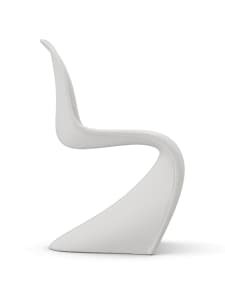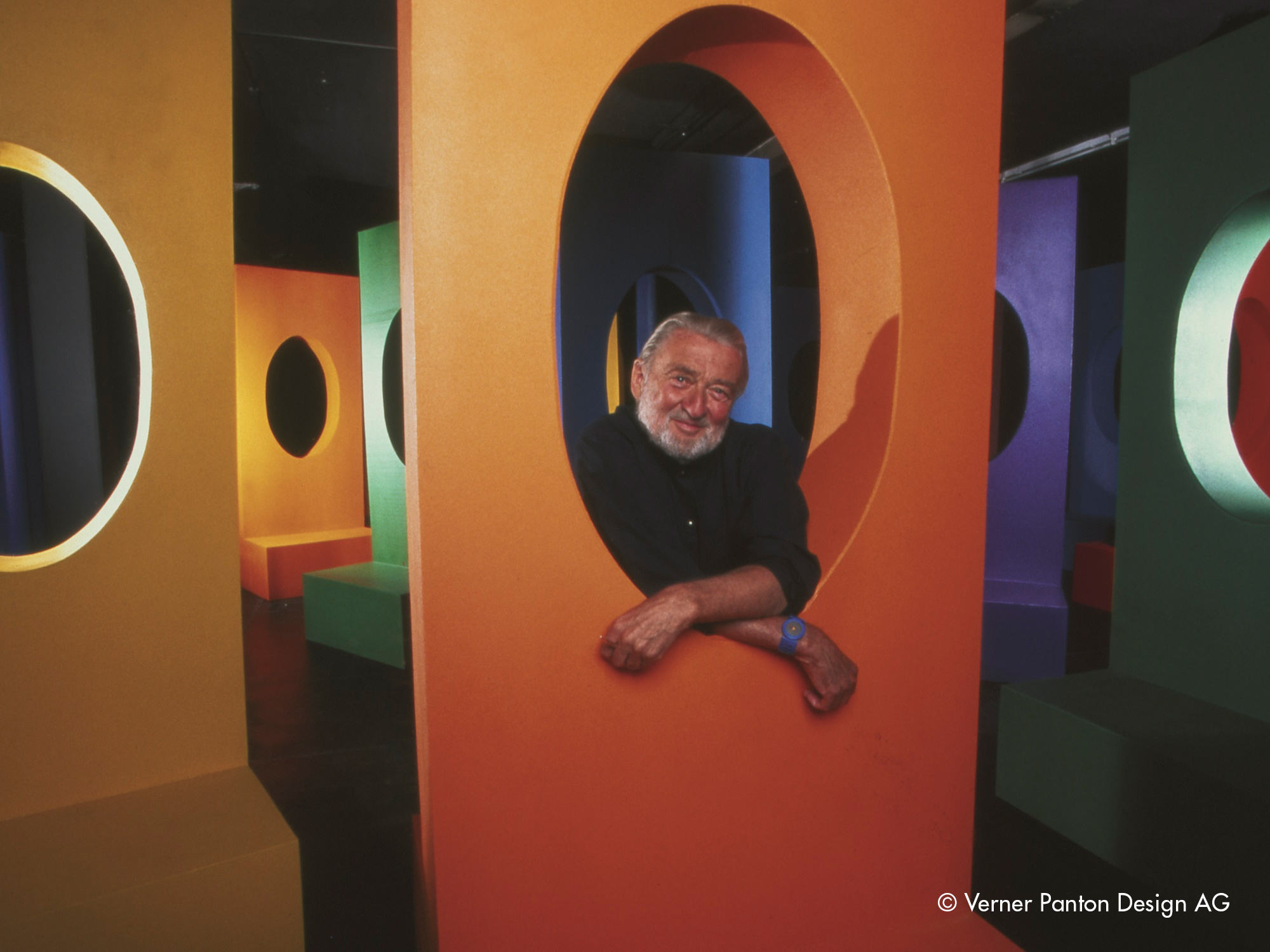
On February 13, 2026, Verner Panton (1926 - 1998) would have celebrated his 100th birthday. A date that feels less like a closing chapter and more like a light that continues to shine. Panton's work is still alive today – in colours that transform spaces, in forms that evoke emotion, and in a mindset that approached design as a daring play with perception. At smow, we celebrate this unique vision: a view of the world shaped by colour, form, and the freedom to think differently.
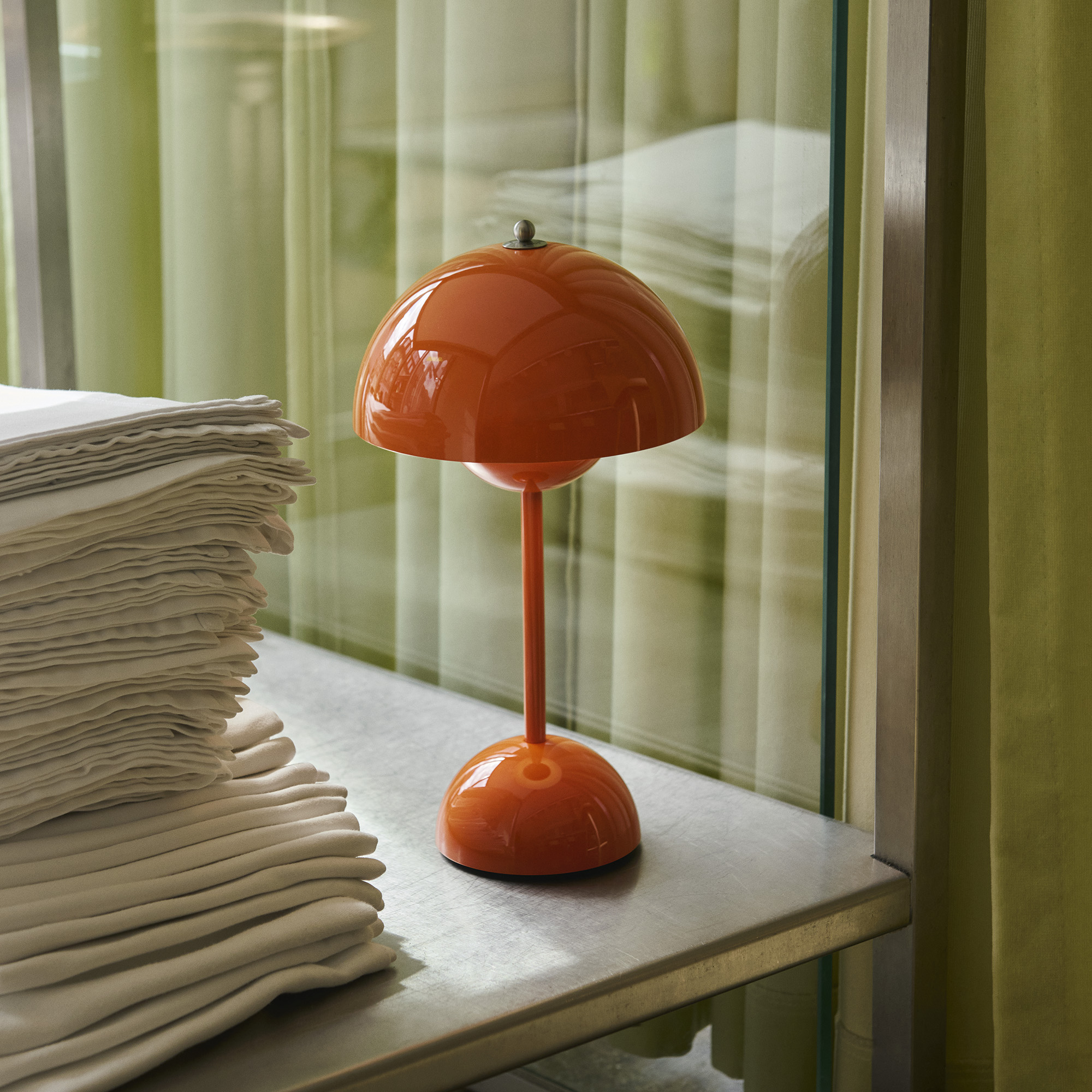
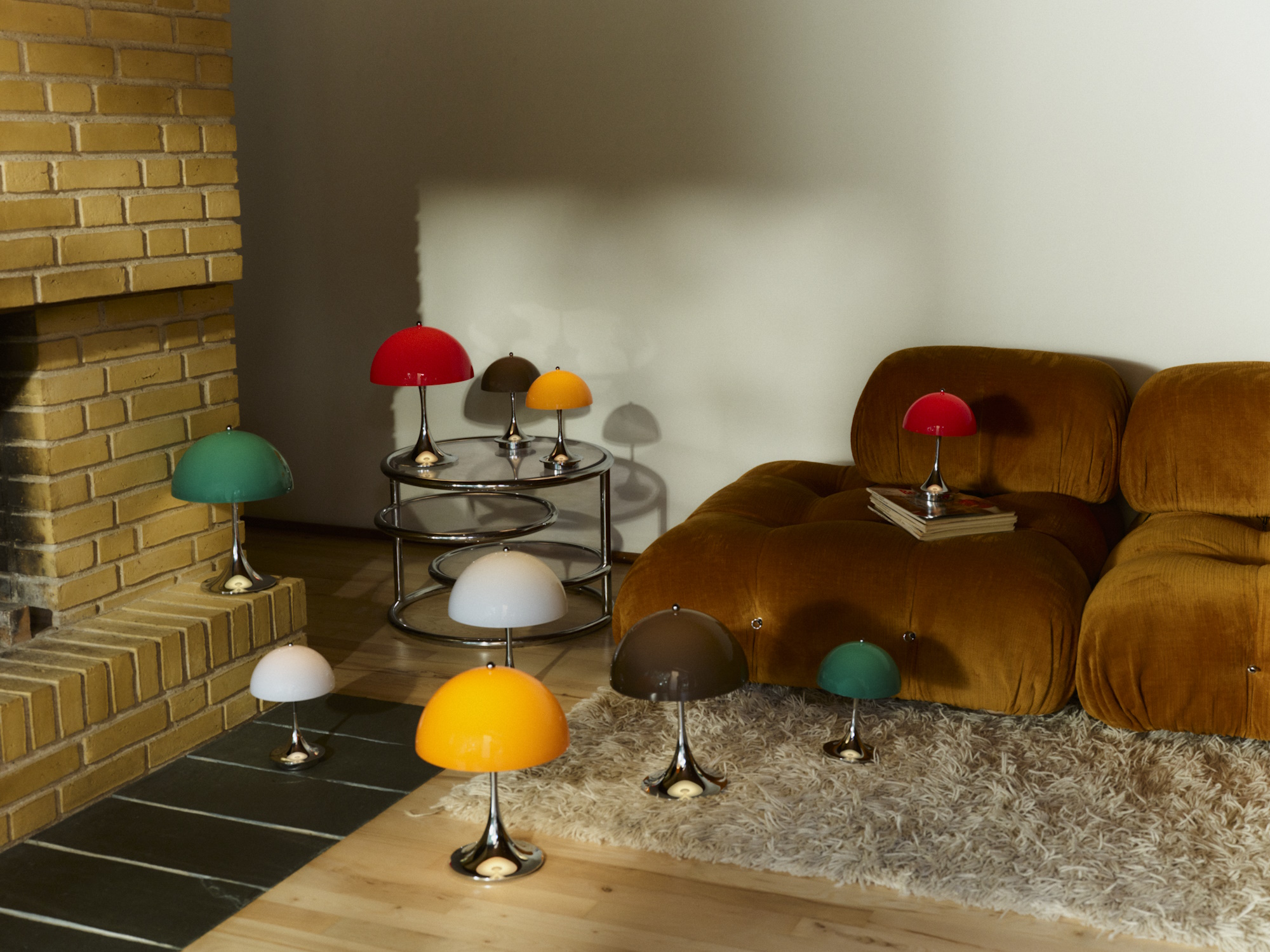
Verner Panton's designs were never quiet. They were radical, visionary, and far ahead of their time – and that gives them their enduring relevance. This becomes evident again today through new editions and reintroduced versions of his work: three new colours, based on the originals, for the Flowerpot lamp series – Steel Blue, Ivory and Zesty Orange – as well as a re-issued color configuration of the Panthella lamps. The Panthella Originals, in particular, feel like a bridge between past and present. Their just newly launched 70s colour style, combined with a reflective chrome base, evokes a nostalgic journey back to the years when Panton was reshaping design – sensual, playful, and full of optimism. These re-editions show how design classics can remain alive: not as relics, but as evolving objects that continue to resonate with contemporary interiors.
But behind all of these iconic objects stands a human being – and beyond that, a family that continues to care for, interpret, and pass on his legacy today. A family shaped, in many ways, by Verner Panton himself.
His daughter Carin Panton now lives with her family in a house in Munich, a home that quietly reflects his philosophy and, therefore, the philosophy she grew up with. Each room unfolds in a single, continuous colour. Her kitchen, for example, is bathed entirely in sunshine yellow – from the walls to the furniture, even down to the flowers. Another room is devoted entirely to red. Panton at its best – and a story that continues to be told. We asked Carin about her father's legacy, his radical approach to design and his use of colour.
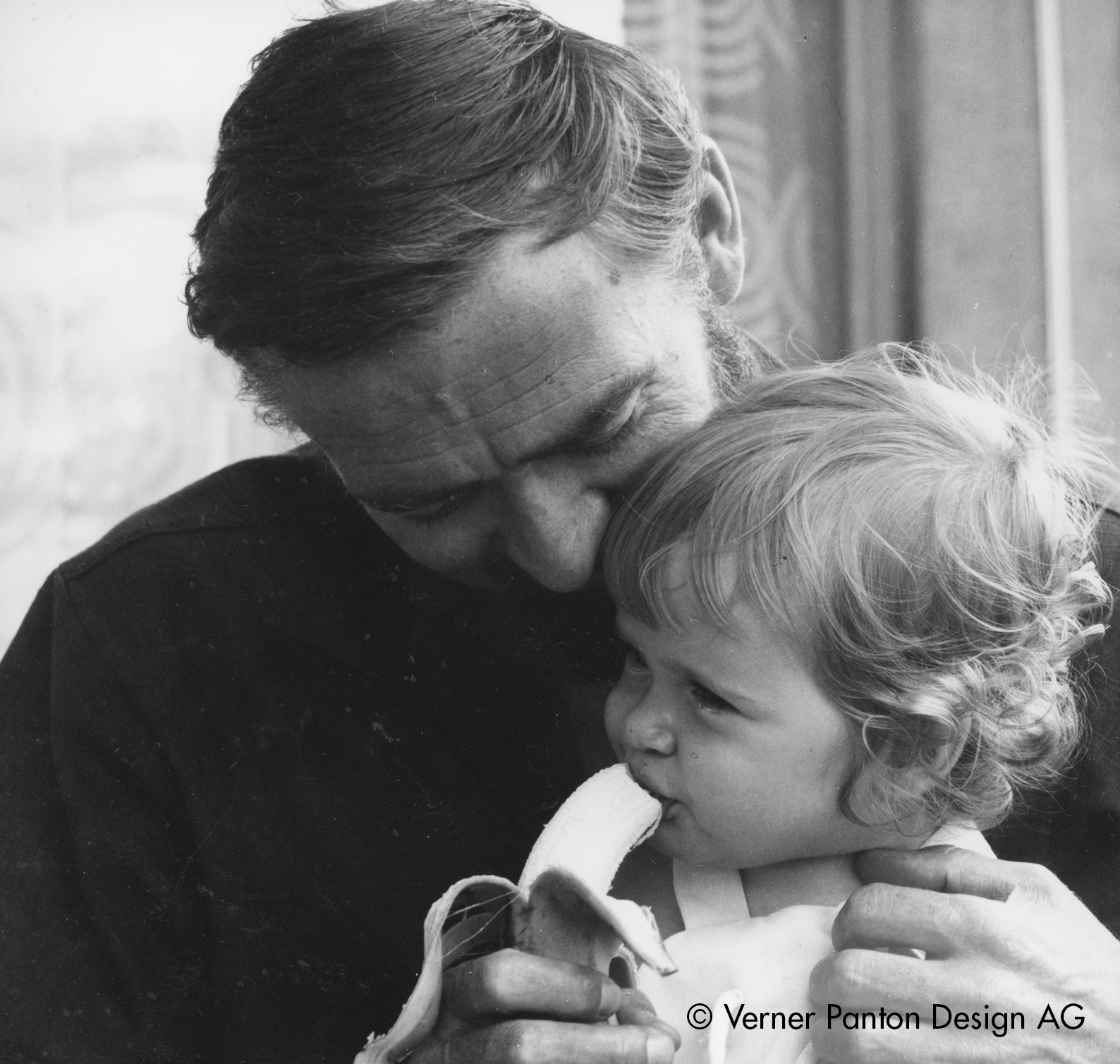
smow: For your father, Verner Panton, colours always had a deep and specific meaning. How do you experience that in your own life?
Carin Panton: I grew up surrounded by my father's vibrant, colourful world; it was my 'normal' and still is. Seeing how my father lived his life gave me the confidence to use colour fearlessly and with intention in my own life, so naturally, our home had to be vibrant as well. Colour affects us and shapes our mood, especially when we are completely surrounded by it. For some, it may seem extreme, but we love living this way. Our guests have different reactions: some are delighted, others quite surprised and some simply say nothing at all.
smow: Do you have a favourite colour?
Carin Panton: Warm red tones have always spoken to me.
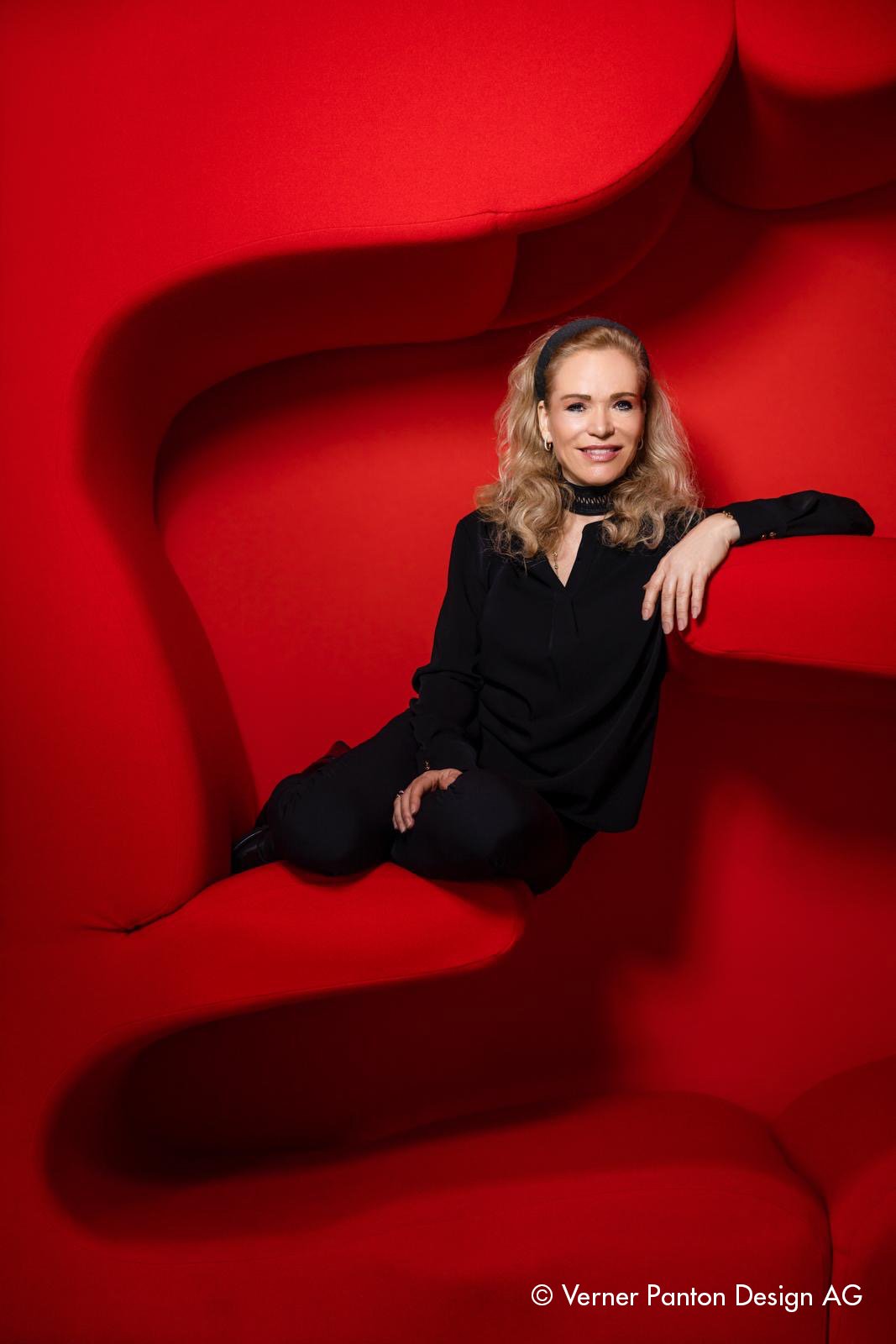
smow: Many see your father as a design icon. What was he like for you in everyday life – beyond the objects now displayed in museums?
Carin Panton: Being an artist was inseparable from who he was as a person. Creativity wasn't just what he did; it was who he was. At the same time, he was simply my father, loving, attentive and fully present. His creativity shaped not just his work, but the way we lived.
smow: Your father created designs that were considered radical at the time. Do you recall how he handled criticism or scepticism?
Carin Panton: He met criticism and scepticism not with defenciveness, but with a gentle, understanding smile. My father never followed any trends or fashion – he had his own style. Verner never saw his work as radical; he just wanted to provoke people to be more curious and have the courage to try something new. For him, the well-being of people was always at the centre of his work, and that truly mattered.
smow: If your father were alive today, which developments in design or interior culture do you think would inspire or excite him the most?
Carin Panton: It's hard to say. I am certain he would still find ways to surprise and inspire us all. He was always drawn to experimentation and to push boundaries. I think anything that encourages curiosity and exploration would have excited him.
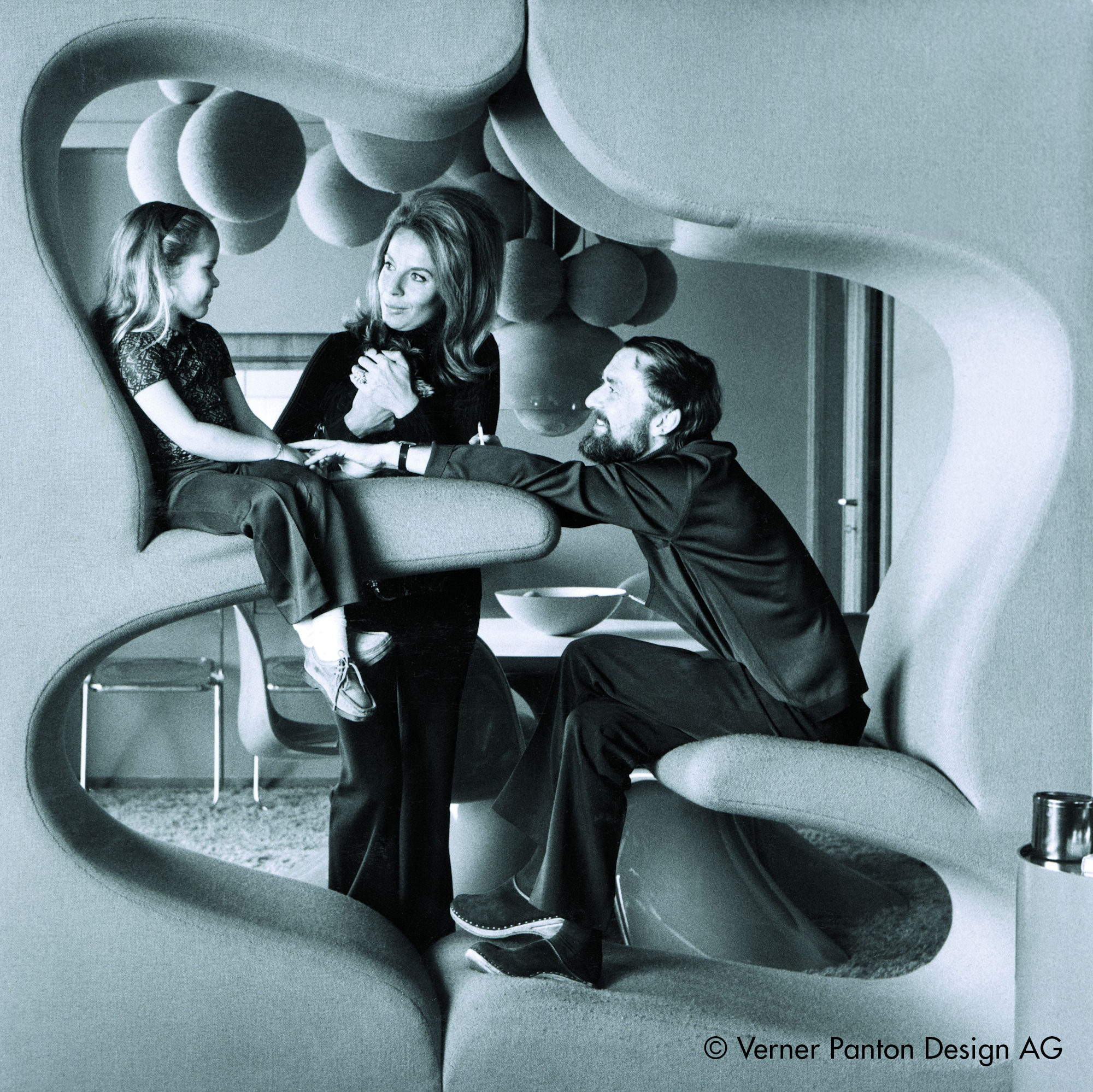
smow: Is there an object or design by your father that holds a very personal meaning for you, regardless of its fame?
Carin Panton: As a child, my favourite was the Living Sculpture. I loved to climb on it and watch the world from above. As I grew older, I came to appreciate the Living Tower for the way it brings people together, offering a relaxed and informal space to connect rather than a rigid, structured one.
smow: What is a common misunderstanding of Verner Panton's work that you would like to set straight?
Carin Panton: It has often been said that my father only worked in polymers, but that is a myth – perhaps because some people only know a few of his signature designs like the Panton Chair – but throughout his career he worked in many different materials – glass, mirror, steel, wire, wood, textile, and enamel. Also, his ideas were never shaped by substances. He was a naturally creative mind with a keen sense of humor, someone who enjoyed challenging people and inviting them to use their imagination. His work came from curiosity, courage, and playfulness.
smow: If you could give young designers just one piece of advice – something unrelated to technique or trends – what would it be?
Carin Panton: I am not a designer, but I would always say: Be curious, try new things, and really experience the world around you.
smow: Many of your father's designs are now licensed and reproduced worldwide. How do you decide which collaborations or licenses stay true to his original vision?
Carin Panton: With our licensees, the foundation is not only based on formal agreements but also on trust and close collaboration. I always ask myself what would my father have done. We never change the original design.
smow: Thanks a million and all the best!