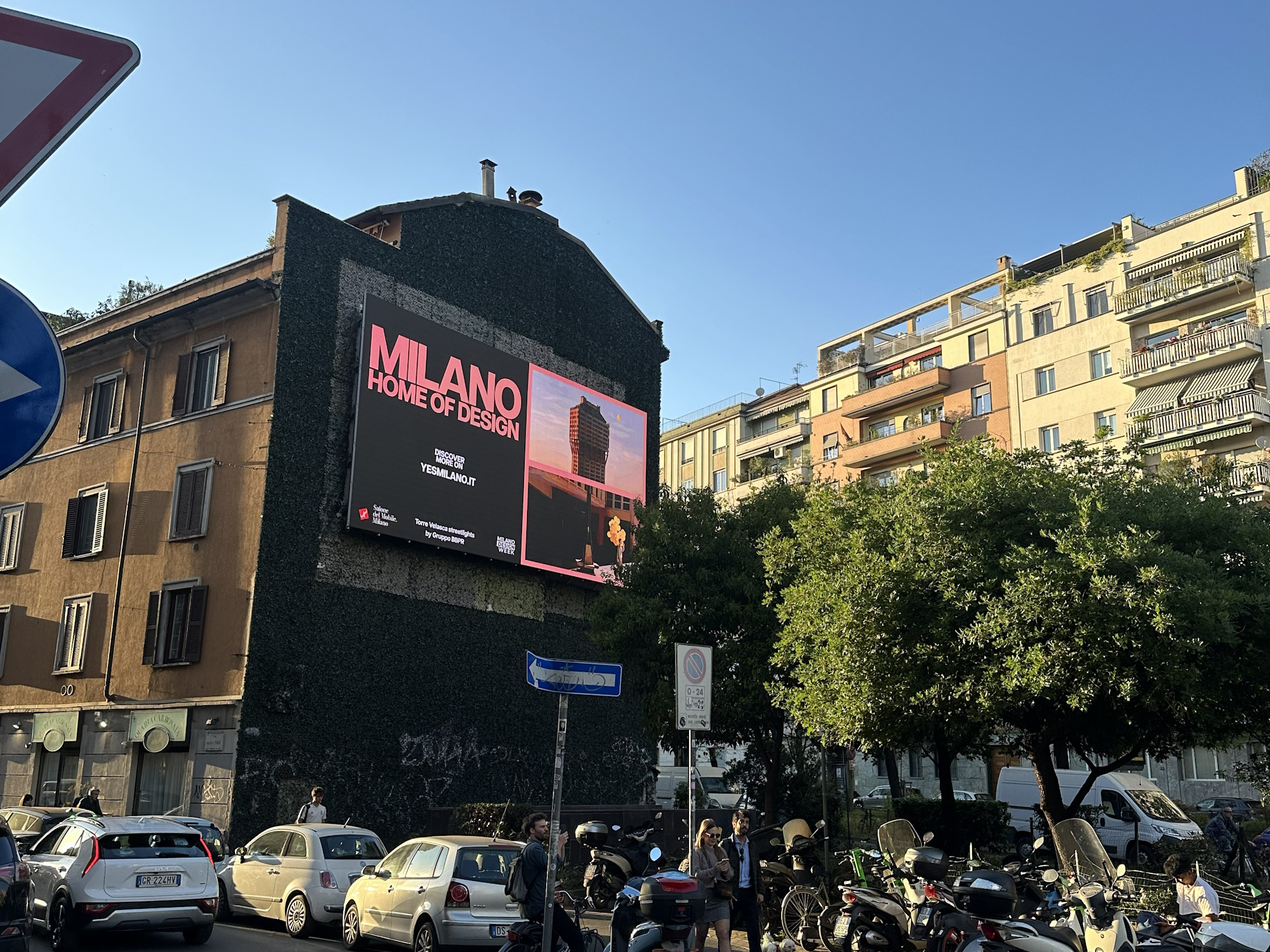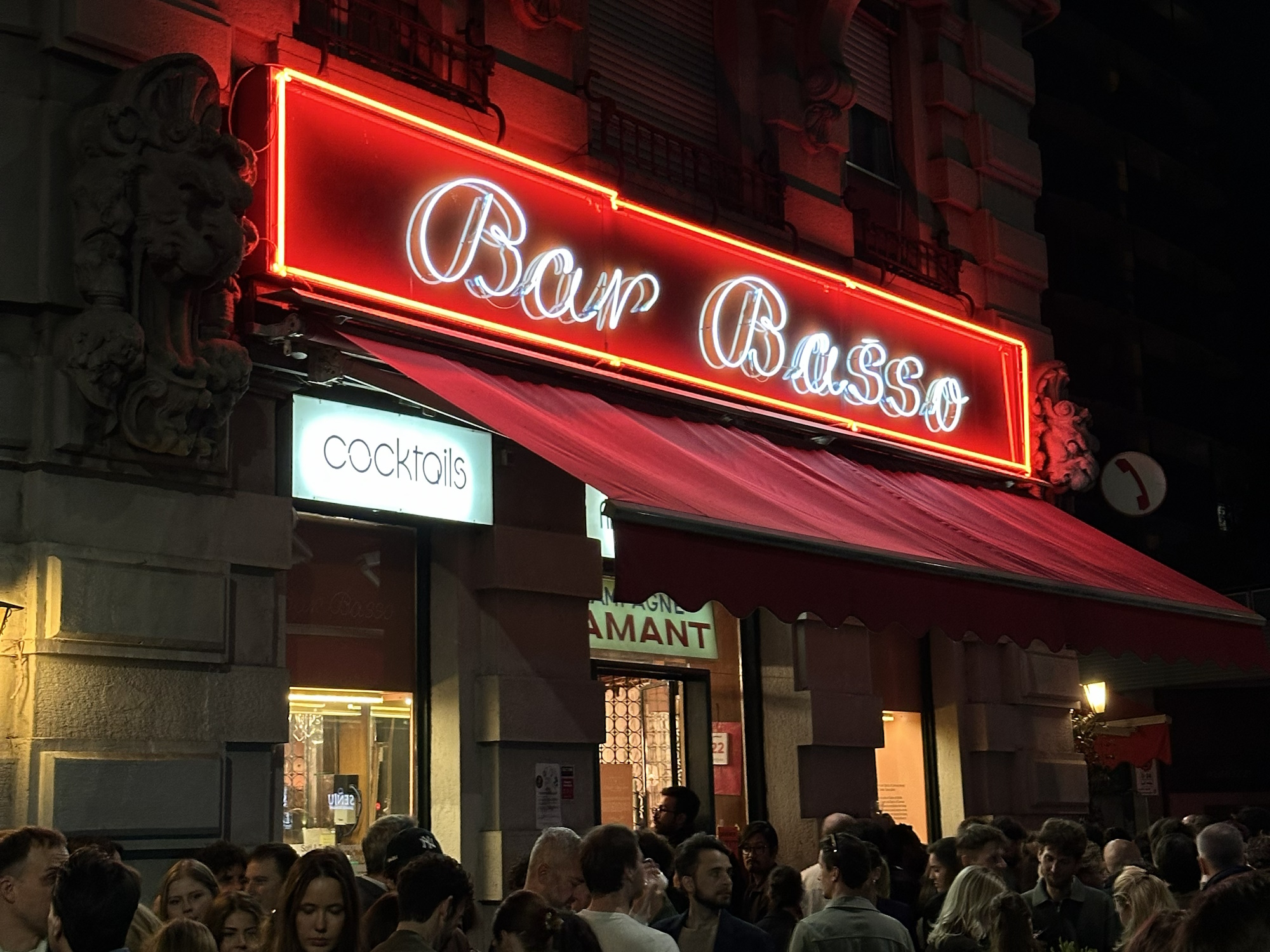
Why do special experiences always seem to fly by so quickly? No sooner had Milan Design Week 2026 really got into full swing than it felt like it was already over. Between impressive installations, changing venues and endless impressions, there was barely time to catch our breath – we couldn`t even enjoy la dolce vita or an ice cream in the sun. Instead: around 20,000 steps a day, the tram as our best friend, a constant cycle of wonder, moving on and fresh wonder.
Milan Design Week was like a whirlwind of design that cannot be broken down into individual moments, but can only be grasped as a whole. Our notebooks are full – sometimes almost too full – and our thoughts are still far from sorted out. The impressions lie somewhere between stimulation and tranquillity – and it is precisely this that gives rise to a genuine sense of enthusiasm. Even now, a few days later.
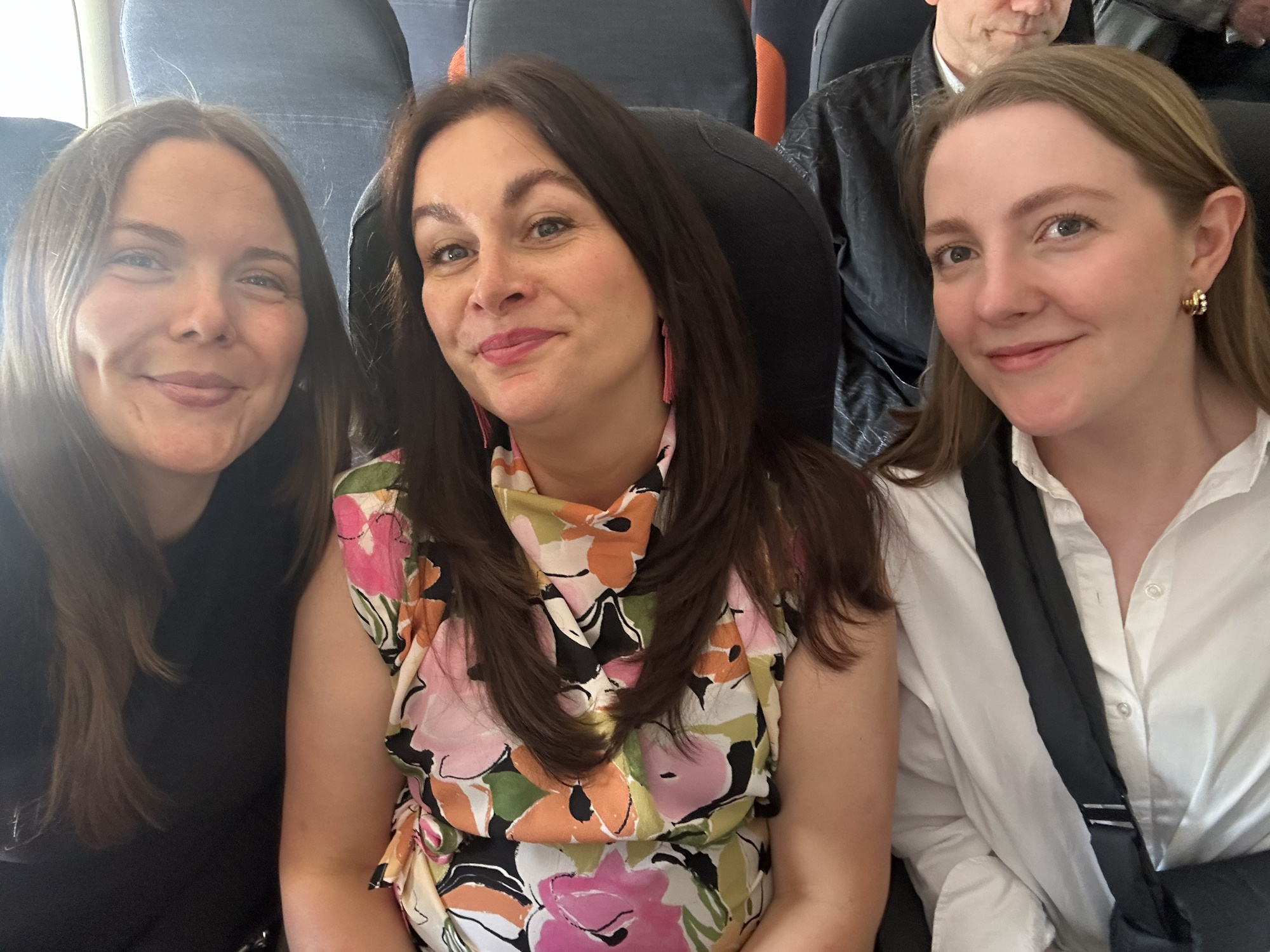
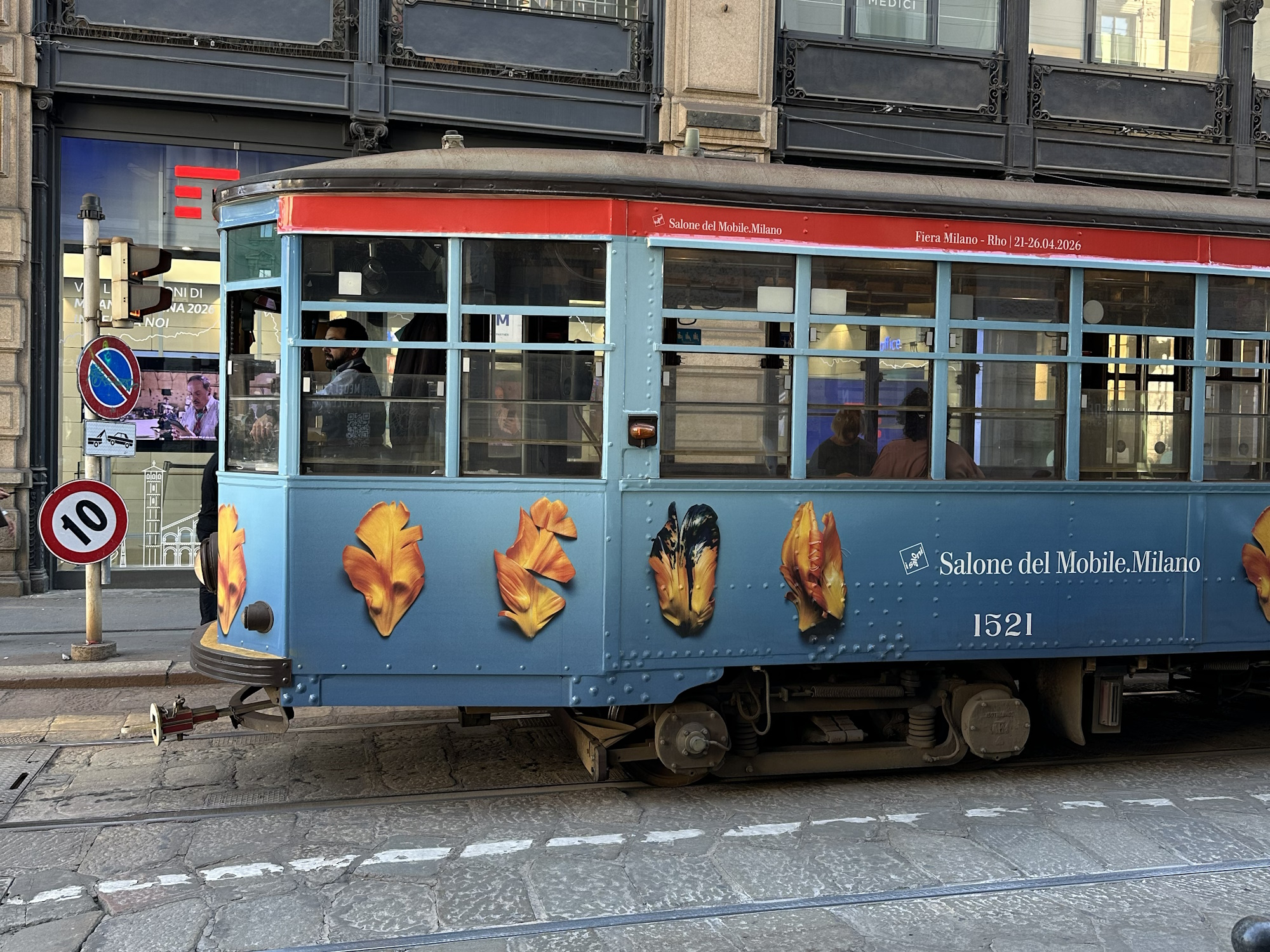
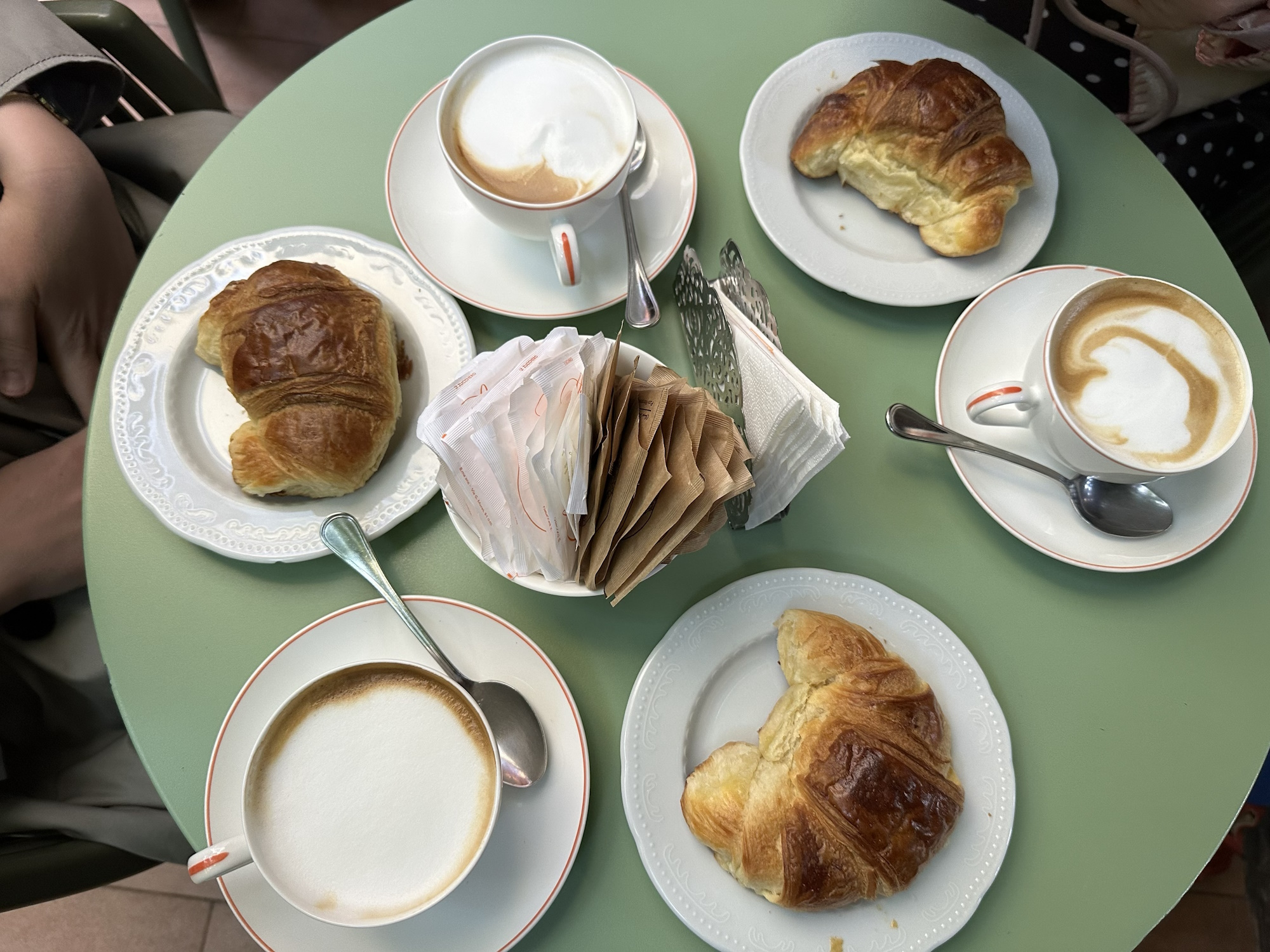
Here are our smow Design Week experiences from Milan’s design extravaganza.
In Milan, design has finally reached the meta-level. No longer about products, no longer about traditional presentations – but art as a stage on which brand worlds, architecture and narrative merge through staging and interaction. Spaces became stories, installations became emotional systems. Visitors moved through curated realities, navigating the space between reality and performance.
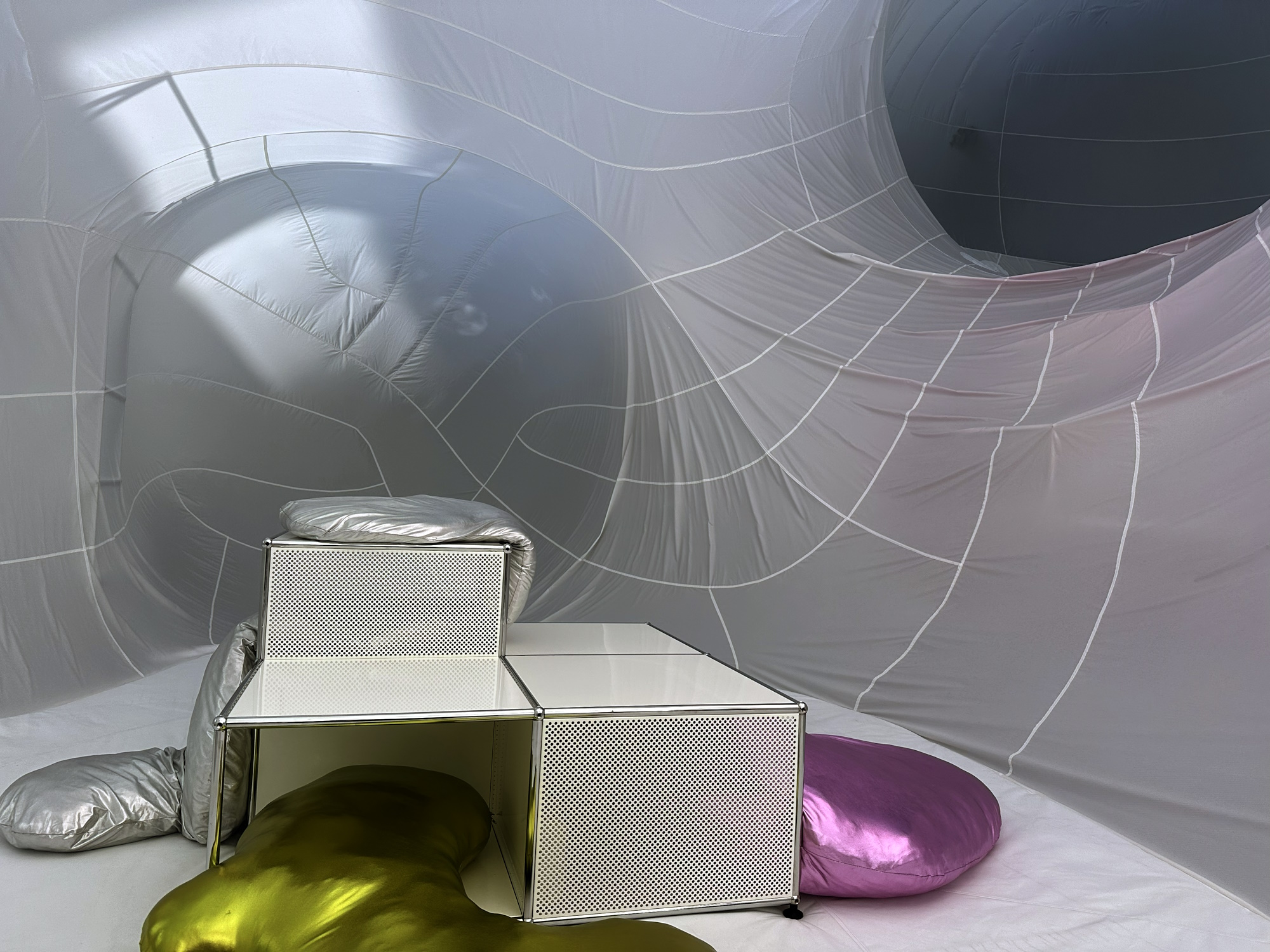
A striking example: the USM x Snøhetta installation “Renaissance of the Real”. At first, the gleaming bubbles between the USM modules seem almost playful – like oversized bubblegum bubbles. Then the surprise came: you could step inside them. Inside, the perception changes completely: a completely different space, almost like a space capsule, in which light and shadow play off one another. The Gucci Memorial, as an emotionally charged brand experience; Laila Gohar’s carousel for Arket, as a performative object with a real paper ticket to another reality; and the Asics “Kinetic Playscape”, as a space of movement, all follow this principle.
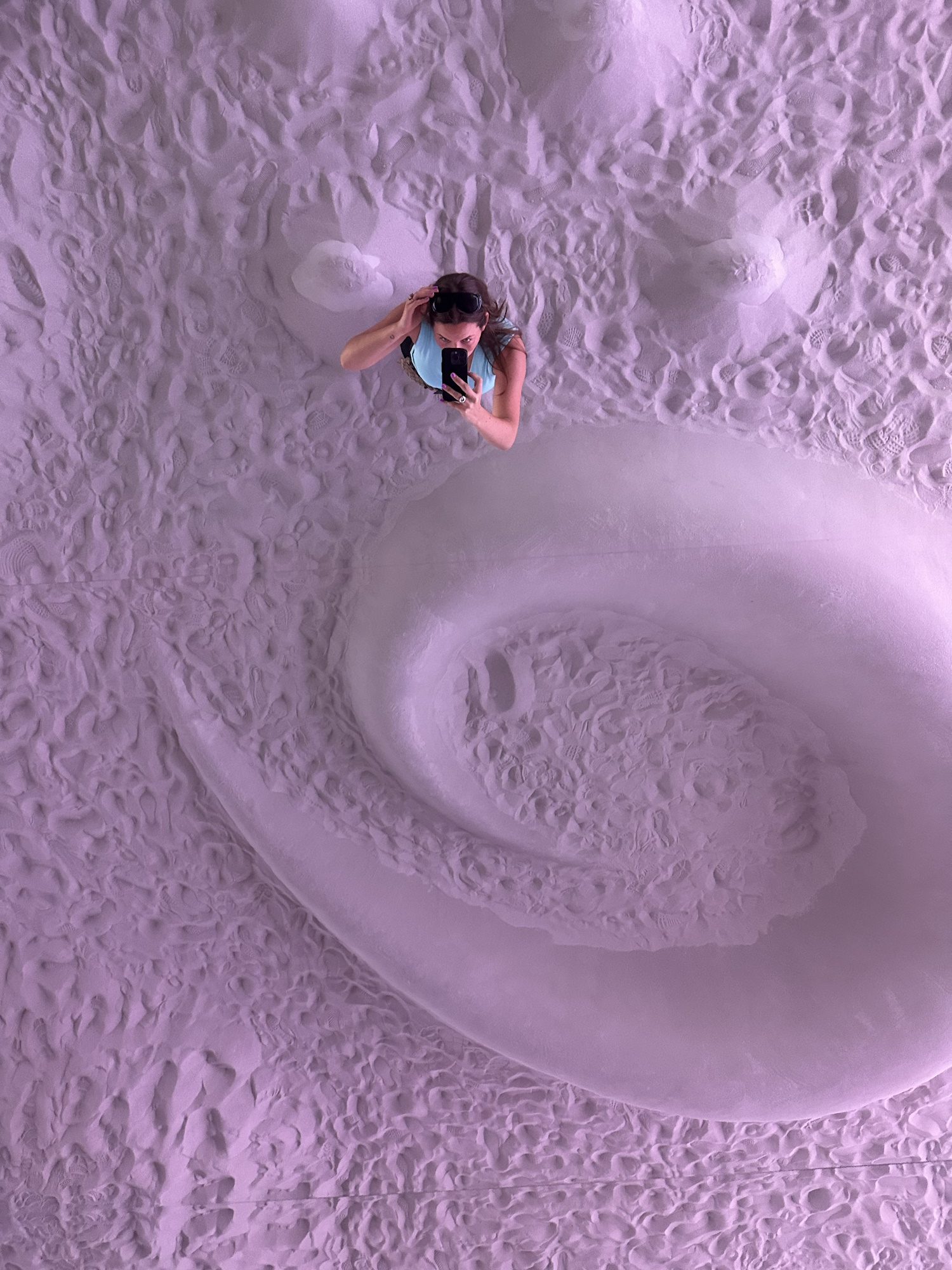
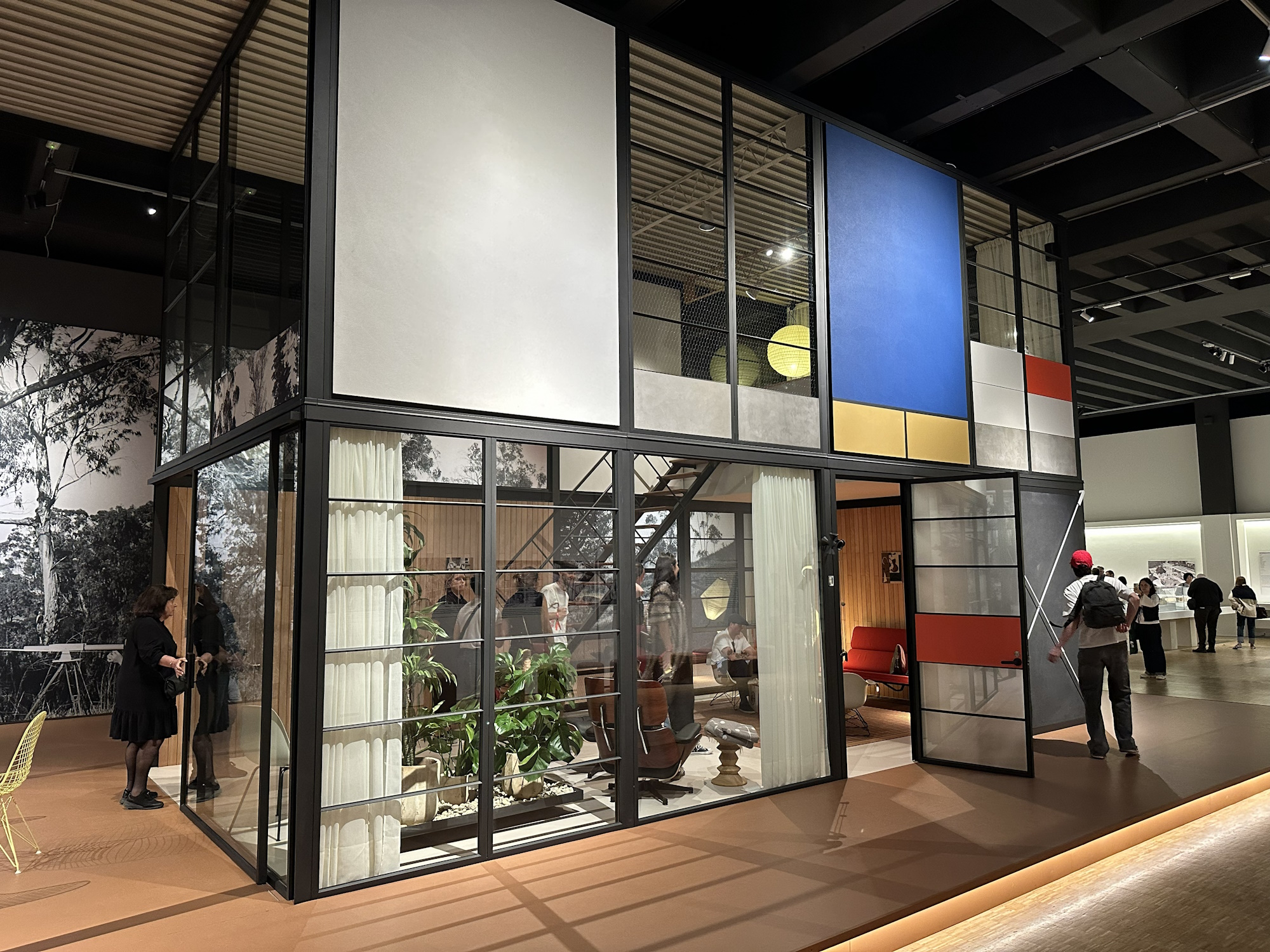
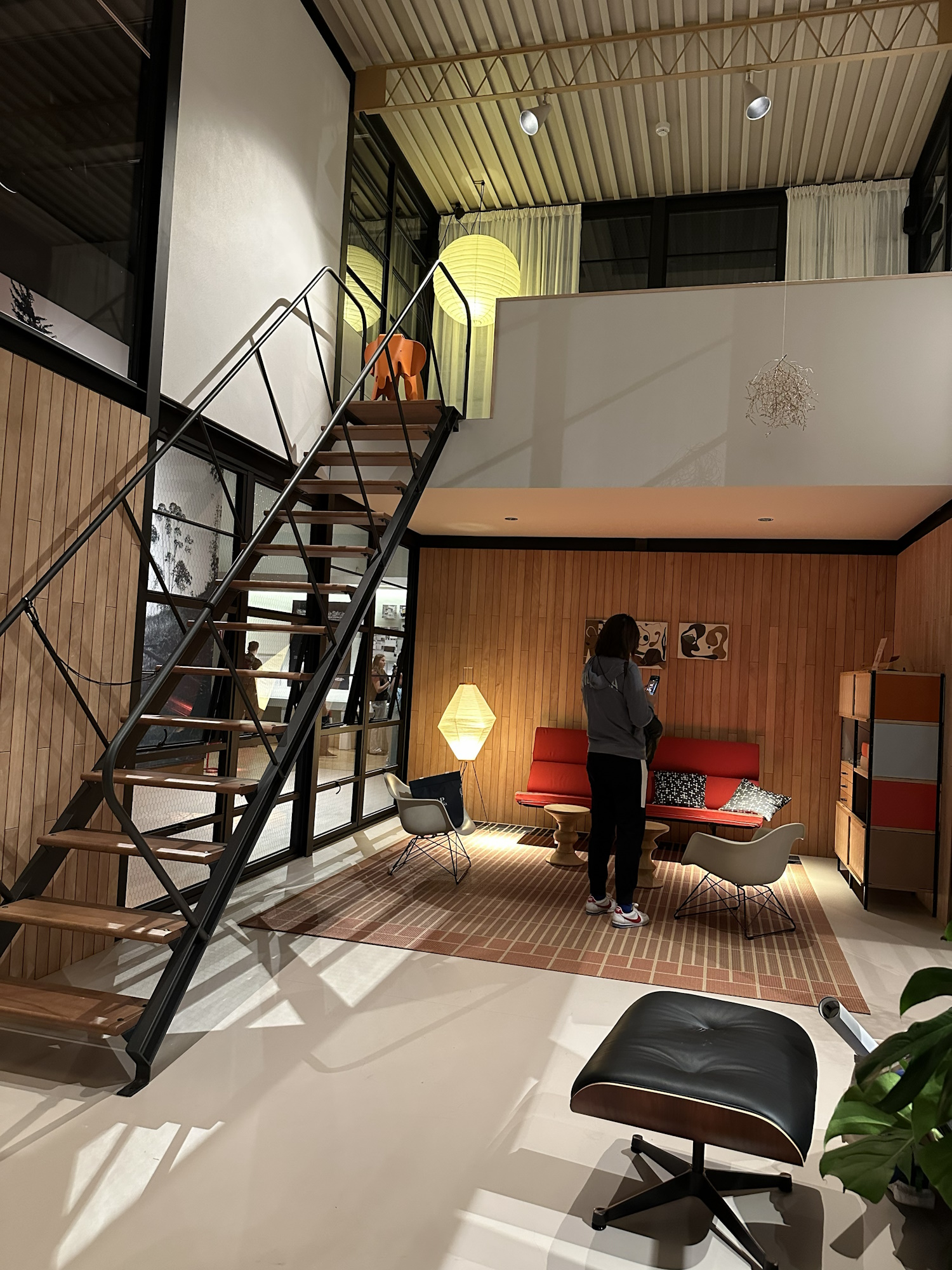
And then there were the quieter moments: places that are usually off-limits became accessible, bringing design history to life. The Bolsani Apartment as a glimpse into another era, the ‘6 a.m.’ setting in the old swimming pool as a time capsule, the Eames Pavilion as an echo of Los Angeles in the heart of Milan. Whether a journey through time or a leap into reality: design once again became an emotional experience in its own right.
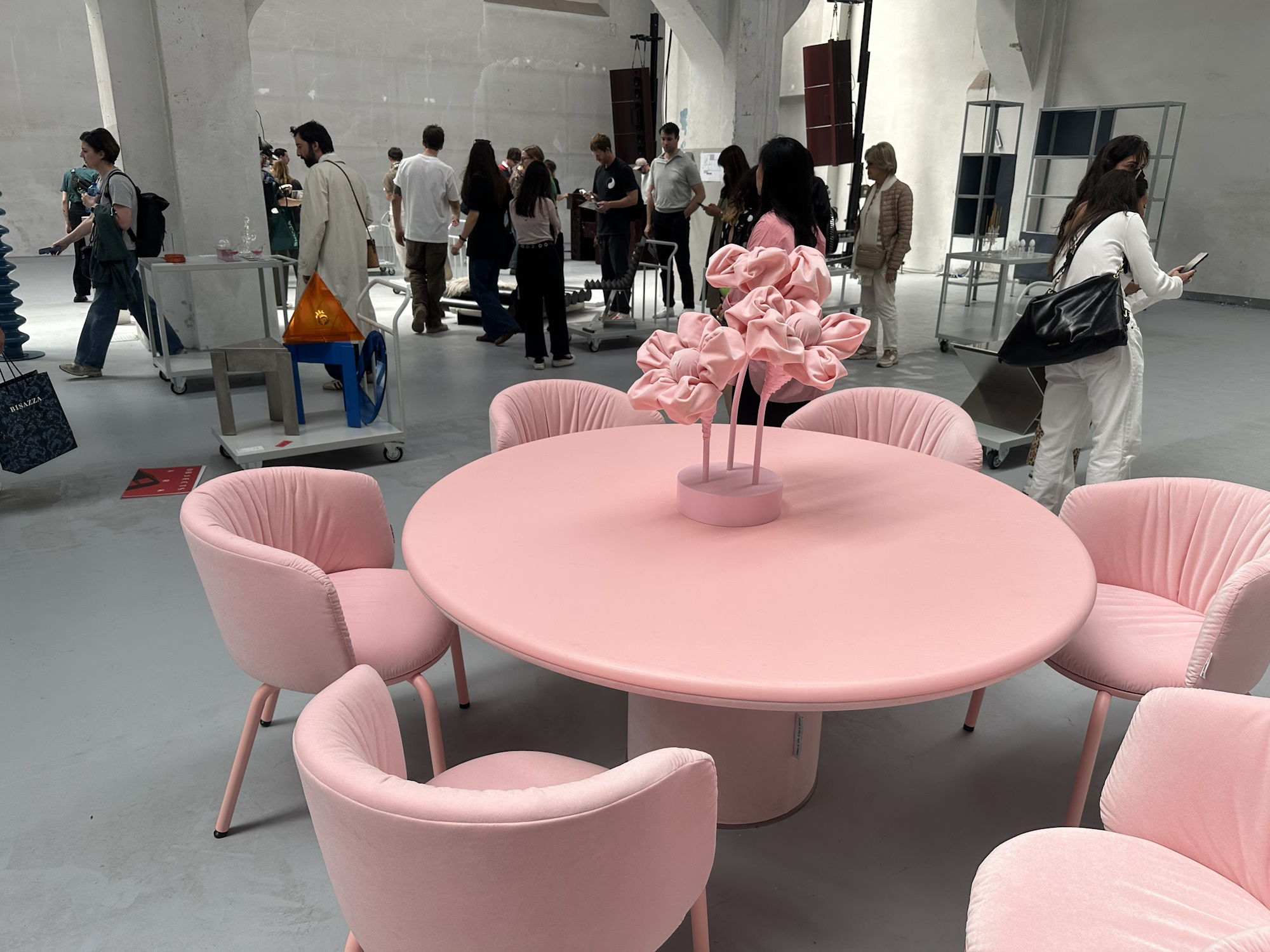
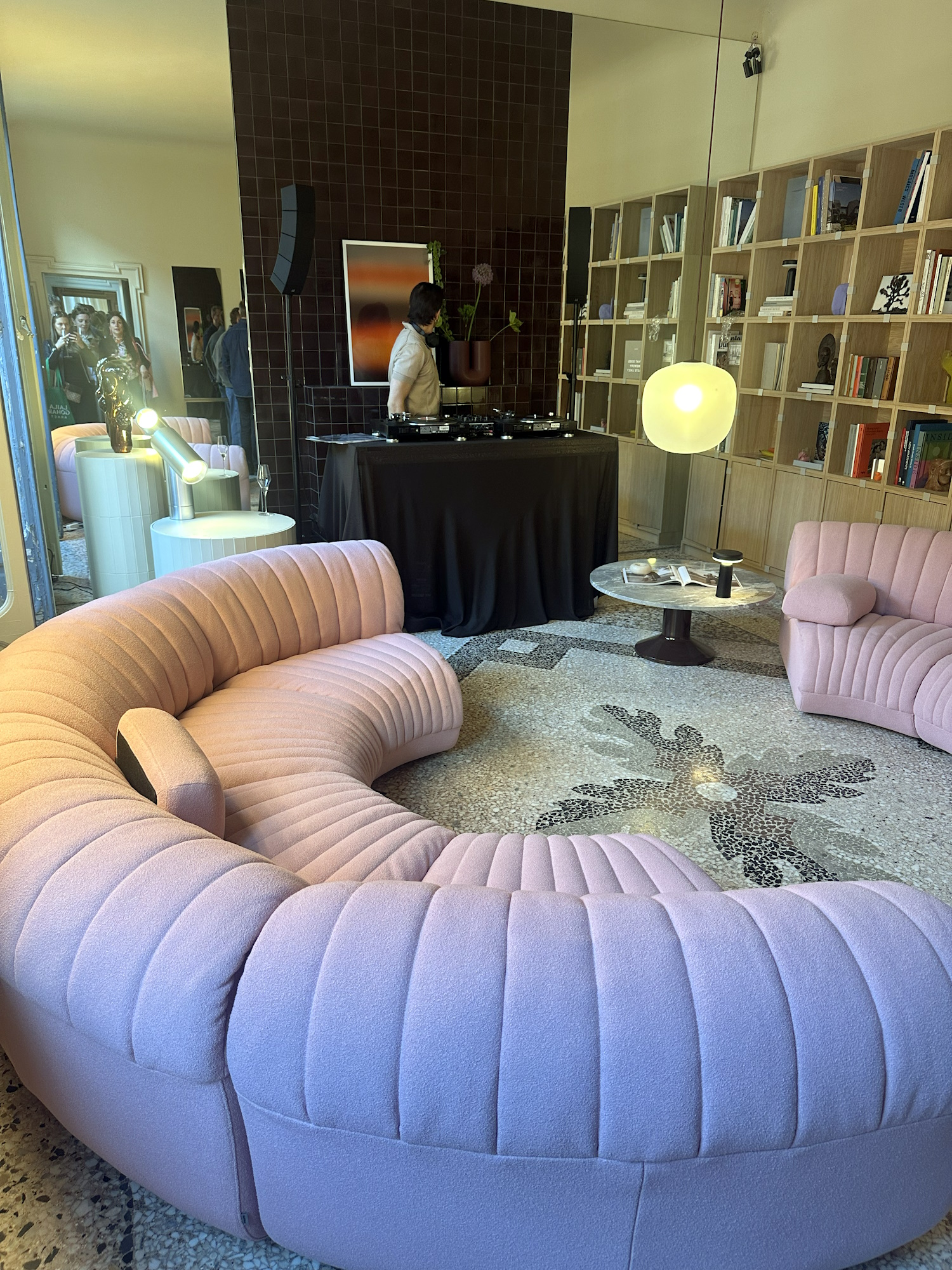
As a counterpoint to immersive staging – and at the same time as a response to an increasingly noisy, restless and often frightening world – a second, almost comforting trend emerged in Milan: Curvy Comfort. This was not about attracting attention, but about providing reassurance. Not about staging, but about offering support. Or to put it another way: away from minimalist linearity, where nothing distracts from the style, towards soothing, soft curves, towards a new cosiness. The new pieces presented by Objekte Unserer Tage consistently embody this trend: a round table with a fabric-covered base and a softly upholstered top – complemented by matching, voluminous chairs. Round, upholstered sofa arrangements such as the Kartell LEPID sofa by Patricia Urquiola or the Ardys armchair also represent this new softness. They appear less like individual pieces of furniture and more like landscape-like forms within the space. The Muuto Apartment consistently translates this concept into spatial scenarios: curved, almost topographical-looking sofas that do not stimulate, but rather slow things down. What was on display here was, for us, more than a change of style; it was an emotional counter-reaction – a return to the need for protection and warmth within a still-emerging aesthetic of cocooning.
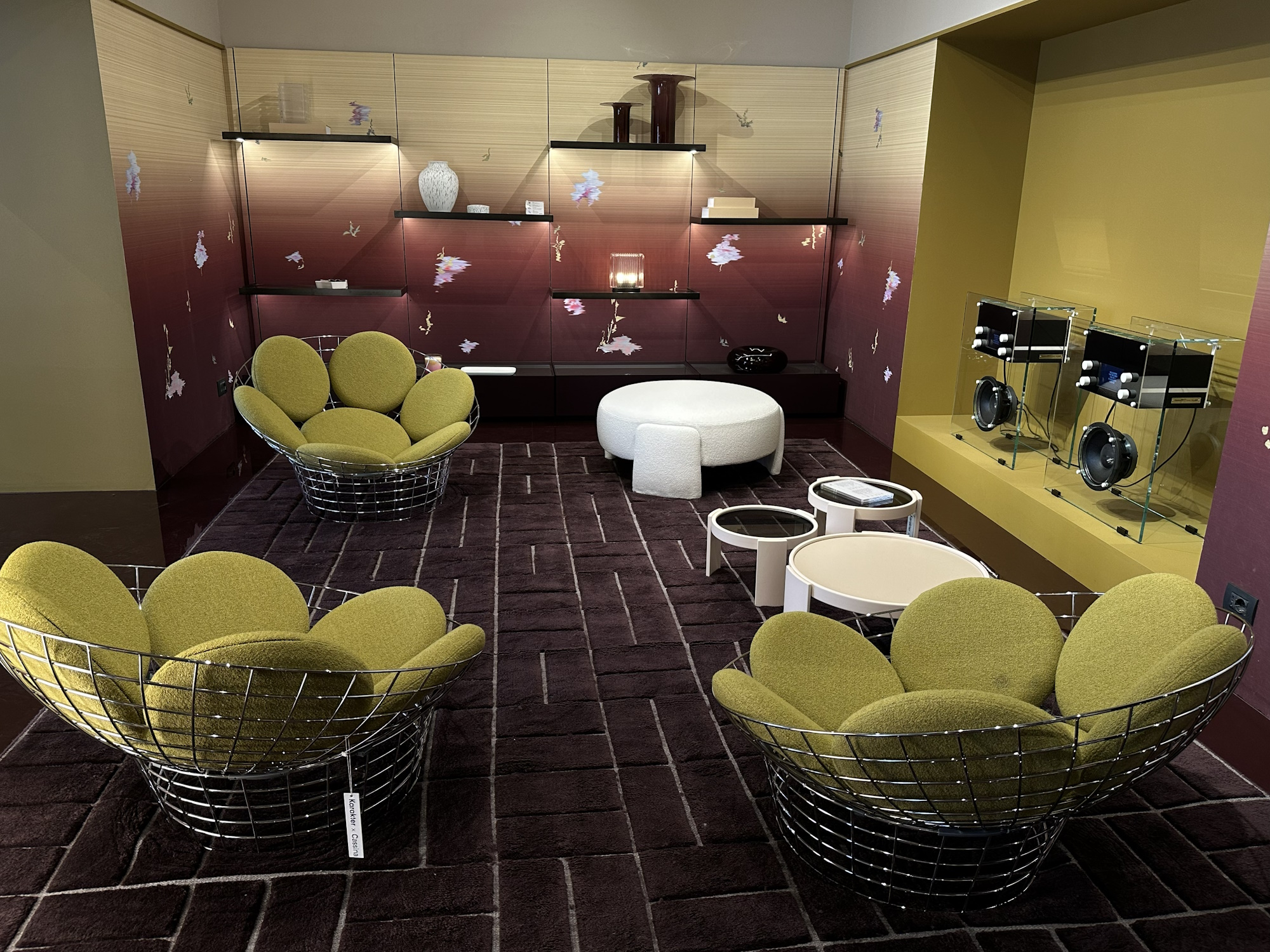
A third, very confident trend ran consistently through Milan Design Week 2026: re-editions. Rather than radically reinventing something, the focus is on looking back – and reinterpreting; design as a memory that is emotionally updated.
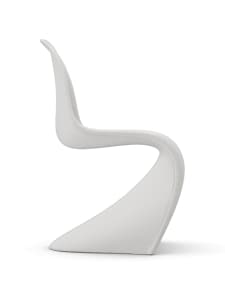
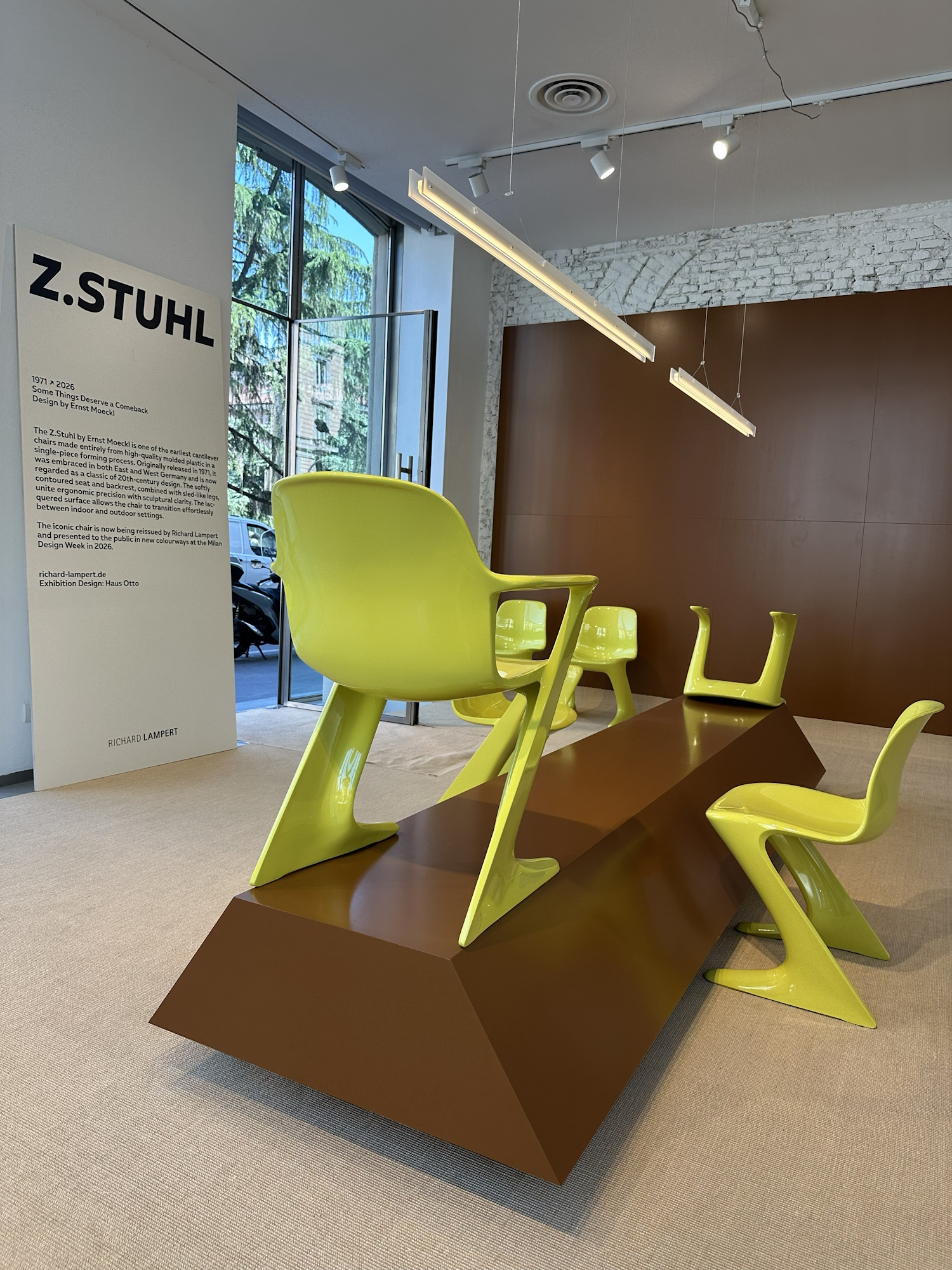
Cassina has taken up this idea with reissues of classic designs – such as the CH66 by Nicos Zographos or iconic seating forms from the world of Verner Panton, reintroduced by Karakter x Cassina with the Peacock armchair. A particularly striking example is the Z.Chair by Ernst Moeckl (1971), also known as the ‘Kangaroo’ or ‘Crouching Man’. Created within the functionalist design tradition of the GDR in the early 1970s, its folded, graphically clear construction continues to impress today with its timeless modernity. Since 2026, it has been reissued by Richard Lampert – and presented for what it is: a design icon of radical clarity. The fashion world has also embraced the concept of re-editions: the “Tomato Chair” by Chloé x Poltronova, originally designed by Christian Adam in the 1970s, has been reinterpreted by Chemena Kamali – soft, organic, almost sculptural.
What all these reissues have in common is not a nostalgic throwback, but a deliberate repositioning: design is not simply repeated, but reinterpreted and given new meaning in the present.
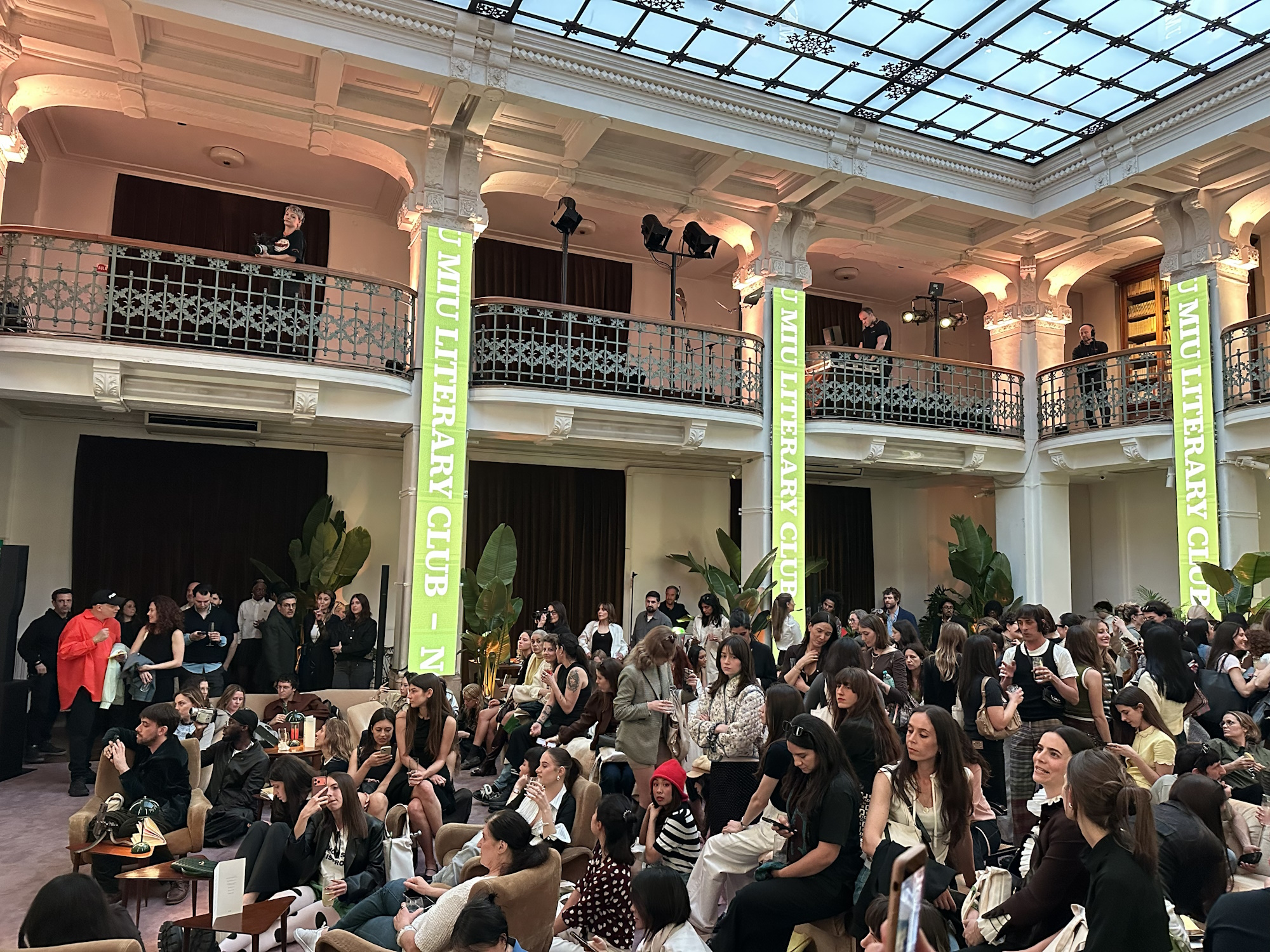
Among the virtual hunt for the best image or the most viral reel, a quiet but clear counter-trend emerged in Milan: print is being revived – and celebrated. Books, magazines and texts are not disappearing; in Milan, they have been breathed new life into as cultural spaces.
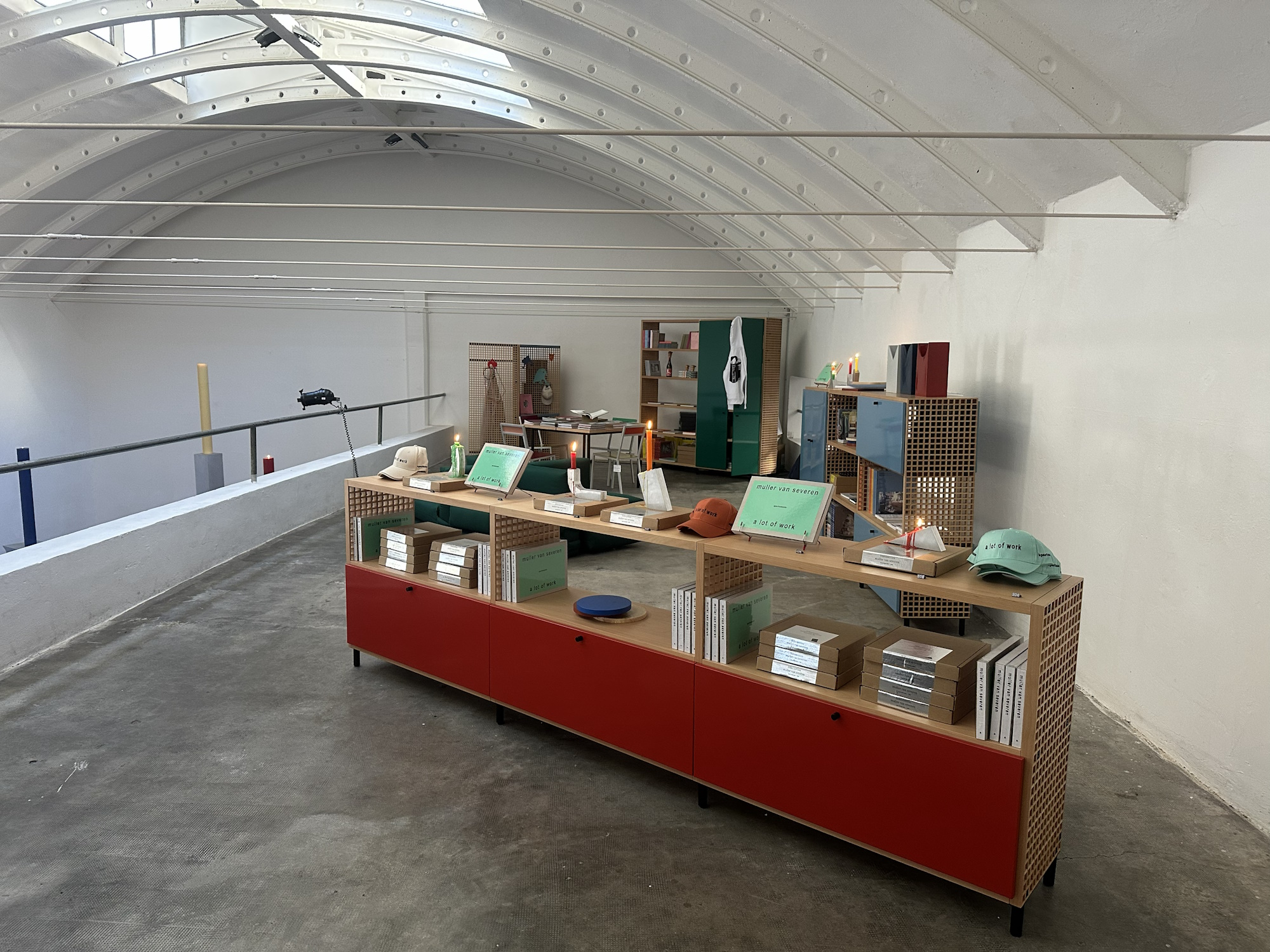
The Jil Sander Reference Library distilled reading down to its essence: a curated, almost museum-like collection of references, materials and ideas – austere, focused, unhurried. The Miu Miu Literary Club conceived of literature as a social moment somewhere between a salon, a performance and a book club, in which text becomes an occasion for exchange and expression. The launch of ‘A lot of Work’ at Apartamento Muller Van Severen also presented the book as a curated statement – here, the book was not a by-product, but took centre stage as a deliberately designed element.
In Milan, print served as a deliberate counterpoint to the fleeting nature of digital images: slow, physical, tactile – and surprisingly tangible.
In Milan, we saw lighting primarily as a new product – less as a means of creating atmosphere and more as a deliberately crafted design object.At Artemide – ‘Iperbole’ by Bjarke Ingels Group (BIG) – this is evident in a minimalist range of pendant lights that precisely direct and redefine light – for living and working spaces alike.Midgard – “Ray” (launching this autumn) focuses on technical clarity and industrial precision. Here, design and lighting effects are seamlessly interwoven. Incidentally, it is named after Ray Eames – a deliberate move by Midgard to actively recognise and celebrate women in design.Light is no longer merely decorative, but a distinct, designed feature within the room.
You don’t just go back – you take something with you. An energy that lingers – even when everyday life resumes. A touch of wistfulness, but without any heaviness. More like that quiet realisation that that is precisely why it was so special.
And at the same time, something new emerges from it: ideas that linger, images that have taken root, and a fascination that stays with you. Milan doesn’t end at the city limits – its influence continues. In your thoughts, in conversations, in the projects that lie ahead.
See you next year, Milan. Bye!