What do you actually do during Milan Design Week, apart from admiring installations, checking out new releases, and walking from one end of the city to the other?
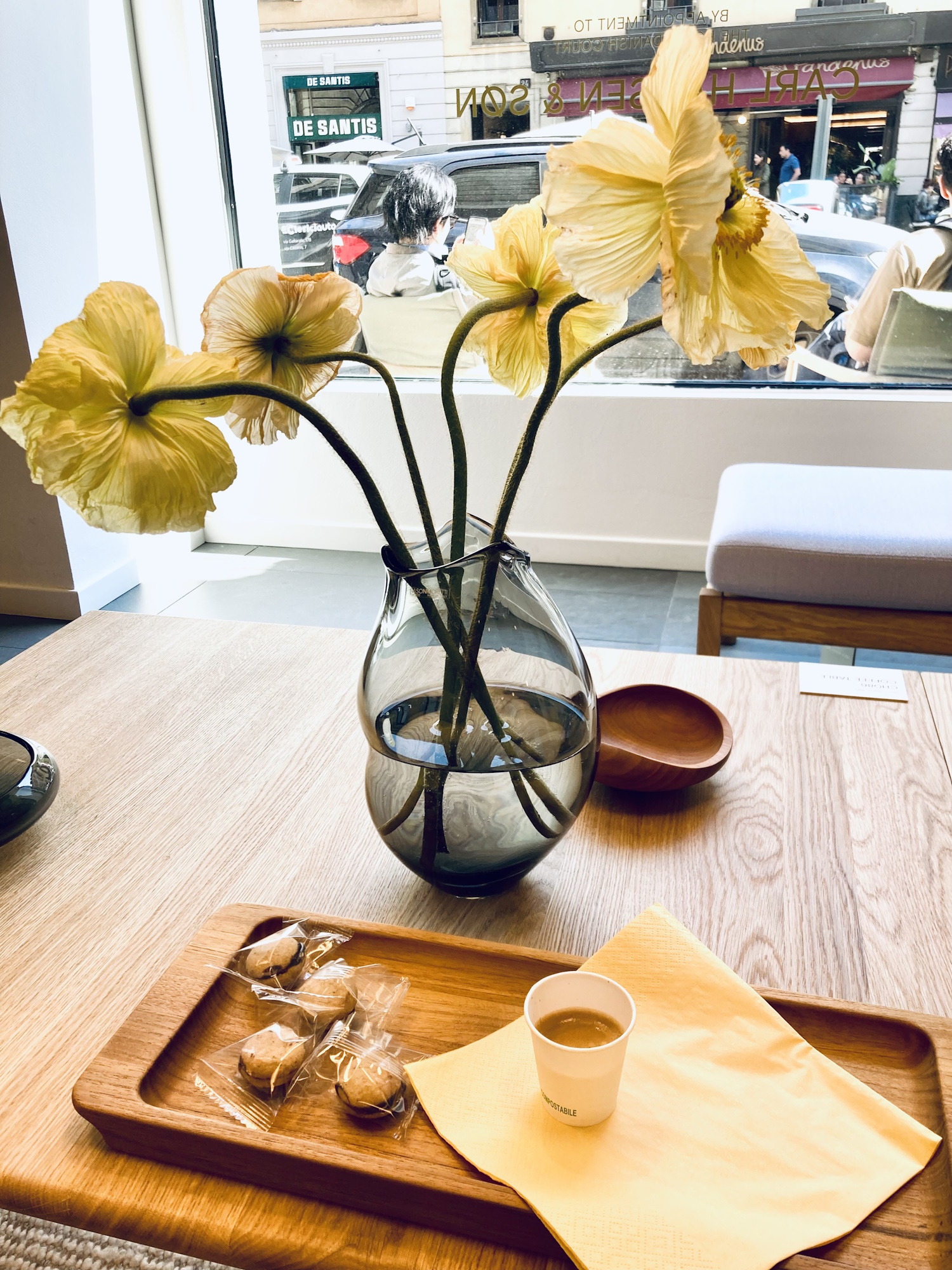
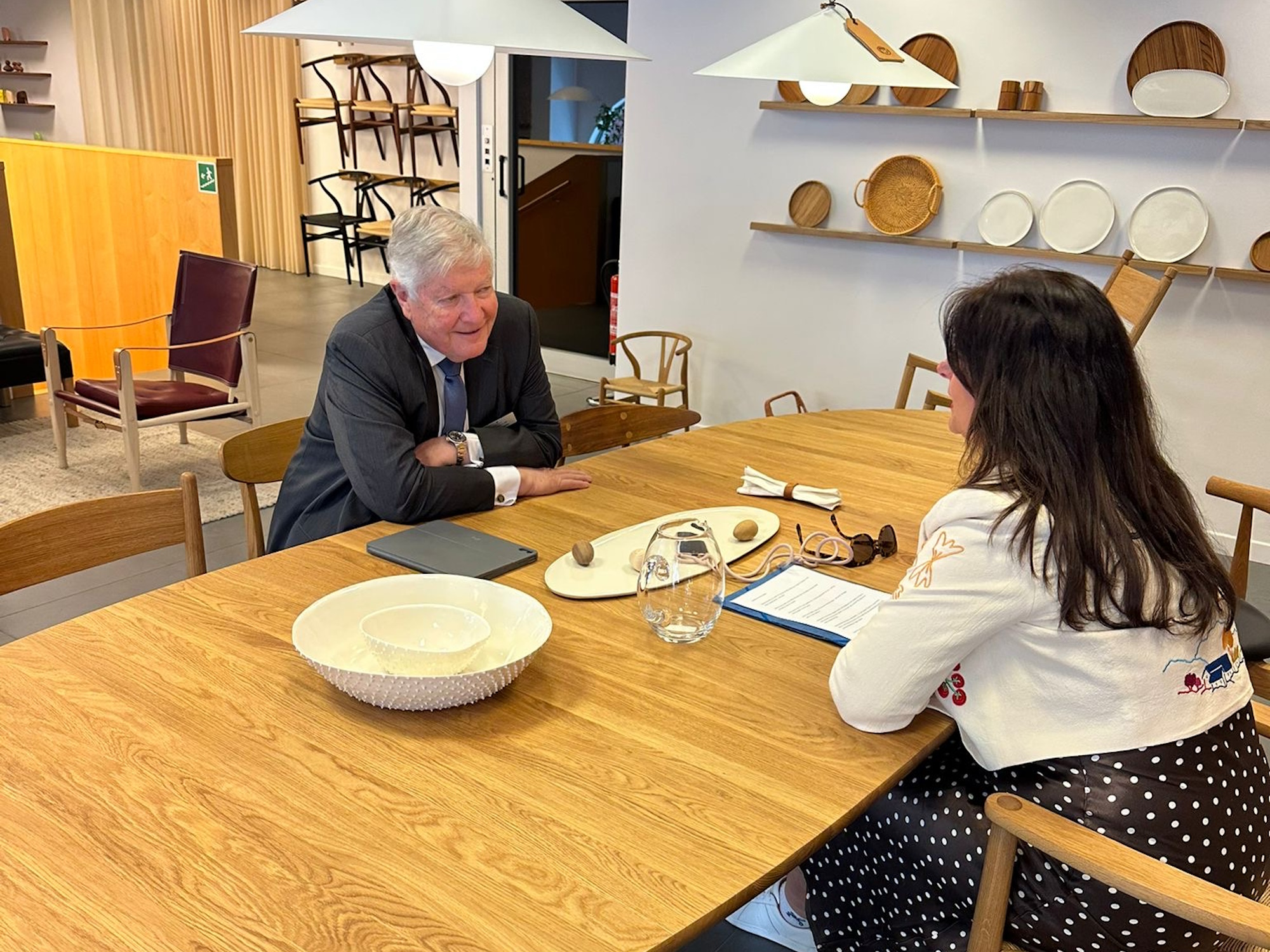
We met CEO Knud Erik Hansen of Carl Hansen & Søn in the Milan showroom for an interview – and experienced a moment that felt like a piece of Denmark: calm, clear, with a breath of fresh air in the summerly overheated atmosphere of Milan’s aperitivo culture.
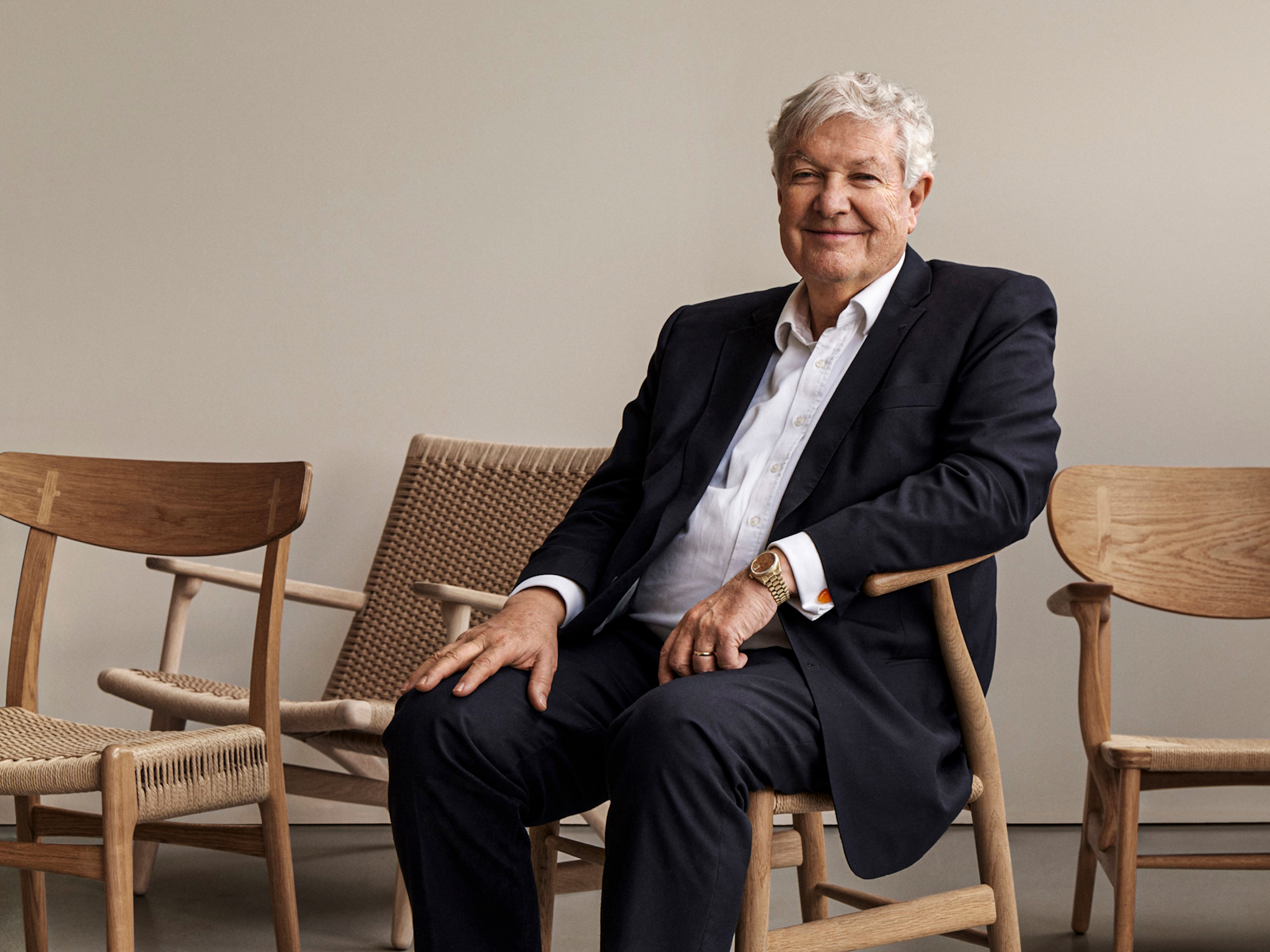
Knud Erik Hansen brings something to Milan that pleasantly cuts through the constant buzz of Design Week: the atmosphere of Copenhagen’s 3daysofdesign, with that distinctly Danish sense of ease, this almost cliché-like feeling of openness, closeness, and relaxed naturalness. He sat there with a broad smile, talking about wood, family, responsibility, and growth — calm, direct, and without any staging. Almost like a Danish ice cream in the middle of Milan’s summer heat.
smow: Spontaneously, straight from your heart – do you personally prefer to attend the 3daysofdesign or Milan Design Week?
Knud Erik Hansen: I actually like both. But I would say that the Milan Fair is one we’ve been attending for many years. I took over in 2002, and we were already in Milan a year or two later. We’ve been coming here for over 20 years. It’s a place we like to visit. We meet lots of customers, and they know who we are and where to find us. The Copenhagen one is relatively new for us; we’ve been attending it for about 11 years.
smow: But the Copenhagen one is like your home, isn’t it?
Knud Erik Hansen: Yes, but it’s becoming very international. People are coming from the US and the Far East, so we’re seeing a different clientele. It’s not the same as what we see in Milan. Of course, there are some customers and partners who visit both. That’s why we’re happy with both. We have flagship stores in both Copenhagen and Milan. The one we have in Copenhagen is, of course, a fantastic shop. And that’s why we receive so many accolades from our customers. So I’d say we prefer both. [laughs]
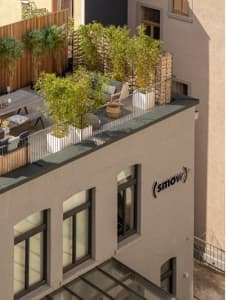
smow: You have the permanent showroom here in Milan. You also present the Hans J. Wegner apartment here this year, right?
Knud Erik Hansen: Yes, we have a flat here too. You’ve got to see this, it’s incredible.
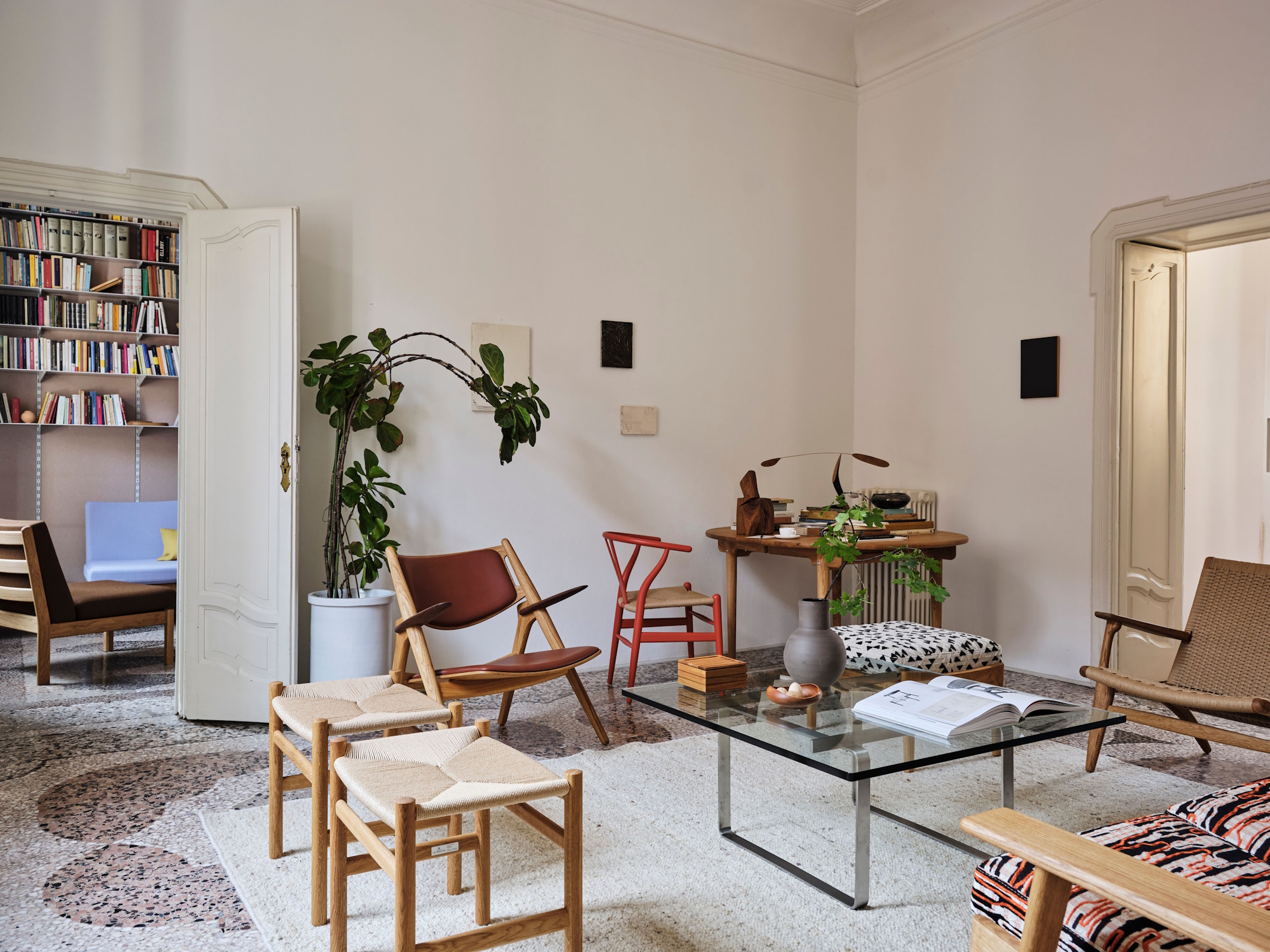
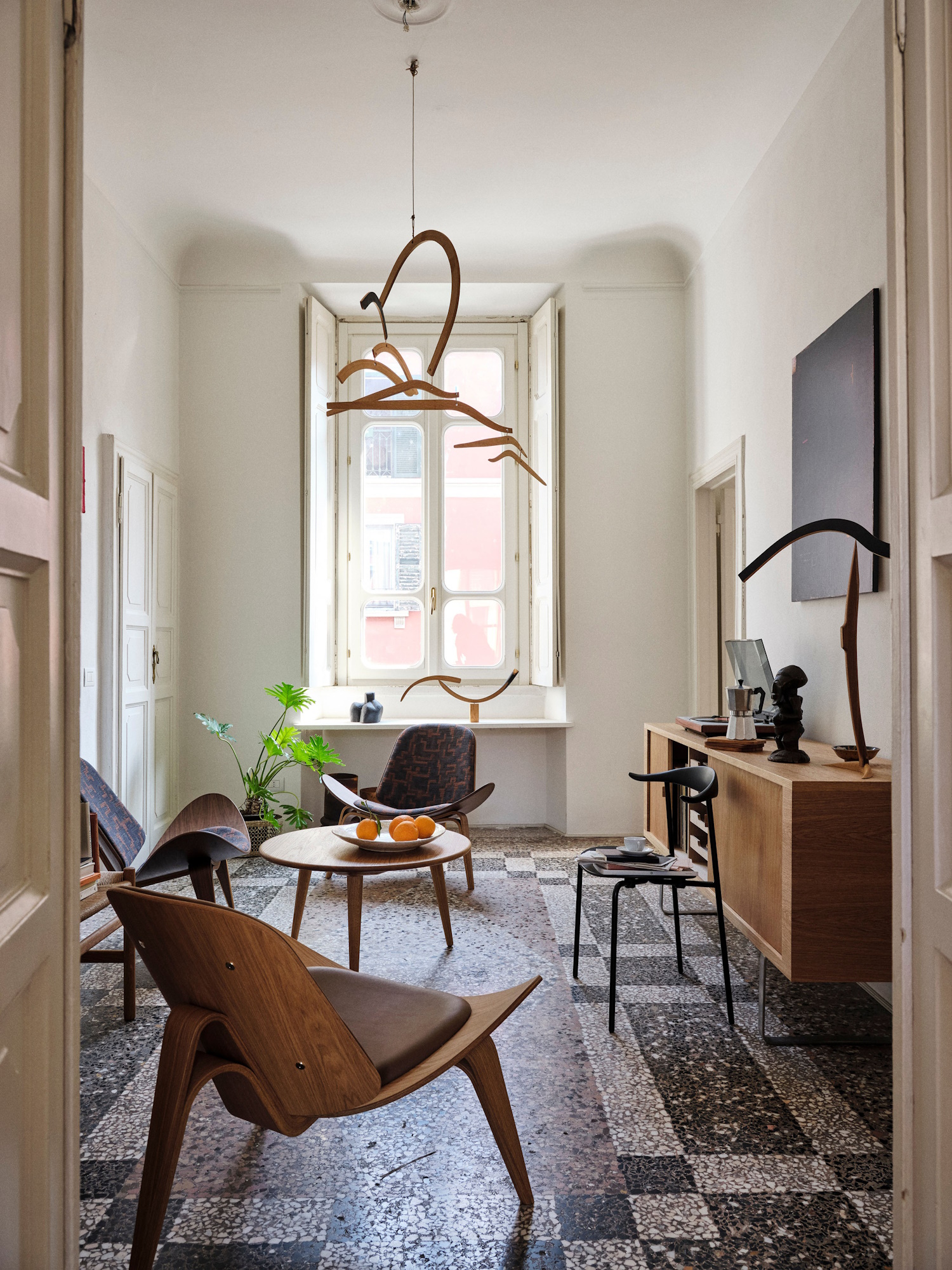
smow: But is it a permanent place for Carl Hansen & Søn?
Knud Erik Hansen: No, it’s just for the design fair in Milan now. Next time we’ll come up with something else. It’s very important that we have a name; we have 116 years of history, and we’ve just acquired Getama [Editors’ note: A North Jutland furniture producer which brings designs by Hans J. Wegner, Nanna Ditzel or Friis & Moltke into the production of Carl Hansen & Søn], so we have lots of new Wegner furniture coming out. They’ve been out before, but so many years ago, and they haven’t been promoted internationally. That’s why I’m very happy about it.
smow: Is the Milan Design Week a sales platform, or is it more of a cultural event for you?
Knud Erik Hansen: It’s all about sales. Of course, we make our living by selling our products. But we also meet our account managers here. It’s also about culture, because it’s about relationships, communication, and meetings — we meet face to face. We travel a lot too, and that helps. We have our own people here in Milan; they’re our own staff. So all over the world, we have our own people. That makes it a big different. I don’t always see the whole picture, but I know when there’s a problem. And if someone is overwhelmed and very happy, I know that too. And that’s good. Fortunately, we also have these customers.
smow: What truly makes a piece of furniture timeless today — and what no longer works, in your opinion?
Knud Erik Hansen: It’s hard to say. I think every architect in the world would like to create something classic and timeless. And Carl Hansen, I think, is famous for producing so-called “timeless” pieces. It has a lot to do with simplicity. It’s not a collection that reflects many complicating factors. It’s quite straightforward, and it’s of very high quality. And that’s how quality should be. When you get to see the manufacturing process, you realise how much work goes into fitting the joints and ensuring that “the grain falls the right way”. We’re dealing with natural materials throughout. You only really see it when you open up the wood. When you look at a large piece of timber in storage, you don’t know what’s inside. Then, when you start working on it, you discover differences in colour. There are small dark knots and similar features caused by the drying process.
smow: And the wood comes from Danish forests, doesn’t it?
Knud Erik Hansen: Just some of it, as the Danish forests can’t supply all we need. At the moment, we also buy timber from Germany, France, the US and Ukraine.
smow: Despite the war?
Knud Erik Hansen: Yes, thankfully the borders were just closed for a short period of time after the war broke out.
smow: Compared to other design sectors, the Wishbone Chair is more dynamic in terms of pricing within the market.
Knud Erik Hansen: There are many suppliers who undercut us. That’s just the way it is, and we can’t help it. It’s a question of how much they’re willing to compromise.
smow: And that poses a risk to the value of the chair?
Knud Erik Hansen: Yes, of course it does. That’s why we pay very close attention to the quality of the chairs. And if the chairs don’t meet the quality standards we demand, we have to make changes. But copies of the Wishbone Chair are being developed for the market in such a way that they are treated as mass-market items. People buy them, and they fly off the shelves as soon as they arrive. And we don’t like that. In some markets, we’re limiting our ranges; we’re reducing them. We manufacture all the originals in Denmark. We’ve grown and now export all over the world. We also set specific criteria for our retailers.
smow: How do you choose designers these days? Are you looking for more radical designs?
Knud Erik Hansen: Carl Hansen & Søn is a brand that we are constantly developing and expanding. Naturally, we have our own way of selecting designers, as we come from a very classic tradition. What we try to create is a sense of community. But we cannot simply be satisfied with that — we also have to move forward. We need to find new designers who can help us. We need designers who complement the brand rather than disrupt it. That means you can’t just design something really beautiful and place it there. That’s not enough — mutual understanding is important.
smow: And do you actually speak to the designers and ask them: Would you be willing to try designing something for us? Because you or your team seem to speak the same language as we do?
Knud Erik Hansen: Yes, we need a common thread so that we can actually work together. And that’s in our DNA. And if someone else has something different, that’s fine.
smow: What was the most difficult decision you had to make as a CEO?
Knud Erik Hansen: It was really about getting into furniture. Of course I have a background because I was born into it. I lived my first 18 years next to our factory. I suppose I had a natural talent for it, after all, because I was born into it.
But still, it was quite a journey. I worked internationally for about 22 years before living in Hong Kong for another decade. Then I came back to Denmark. I stayed there for a short while, about nine months, before taking another job in Hong Kong, where I lived for 10 years. Then I asked my wife, “Shall we go, or shall we stay?” She said, “It’s up to you.” She’s a medical doctor, so she can work anywhere.
So I went to my brother with the intention of selling my shares. He said, “No, I don’t want to buy your shares — I want to retire.”
“What do you want to retire for?” He was 57. He simply didn’t want to work anymore.
So I asked, “What are you going to do with the factory?”
“I’m going to sell it.”
I thought, “No, you won’t.” [laughs]
In the end, I moved from a very cut-throat environment — selling container shipping in Hong Kong and China — to Copenhagen. There were about 30 employees when we started, and now there are around 1,000. So things have changed greatly, and I’m very glad about that.
But the biggest decision for me was this: Should I give up what I’d been doing for about 26 years — something I knew inside out — and enter the world of community and community-based entrepreneurship, which is a completely different kind of business? And how would I survive there?
I’ve managed really well. It takes a lot of energy, involves a great deal of thinking, and requires a lot of dealings with banks and all that. But I enjoy it. I’ve had a brilliant time.
smow: Is it still a family business?
Knud Erik Hansen: Yes, it’s 100% family-owned. It’s a direct lineage. I’m the third generation. My brother was the third generation as well. The fourth generation is already in place now. And the fifth generation is just around the corner, without even knowing it yet. His name is Carl. I’ve got nothing to do with that. [laughs]
smow: Is it worth having a family business like this? Or is it difficult?
Knud Erik Hansen: I think this is the right path for us. We have a long history. People know they can trust us, whether you believe it or not. But I know it’s true — you can trust this company. The banks know it, too.
You’ve seen enormous growth in this sector, and that kind of growth requires a lot of capital. I came from a salaried job, so for me it was about starting up and building a new factory — with no partnerships and no real security. So that family legacy, going back three generations, gave me the confidence to invest in this in 2002.
Back then, you could still buy things with money. Now it’s much harder. But in those days, we could, and I did everything I could to start a new factory, buy new machinery, bring people on board, and get things moving. I was happy. I think I was very happy. And perhaps a bit clever too. But I was happy, and we got it up and running. And that history of being a family business really helps.
smow: Would you expect your children to join the company and work here?
Knud Erik Hansen: Only if they want to. There’s no pressure. Well, I can’t actually say that, because of course there is some pressure. We sit together, we work together, we eat together; we’ve lived together all our lives. But they’ve had the chance to live outside Denmark. I also had the chance to make my own decision. I was under pressure too. My father died when I was 10 years old, and my mother carried on. She took over the head of the company. She had no formal education. She was a housewife. She had to make a difficult decision, and that’s why I wanted to try to carry things forward. Back then, women didn’t have much of a social position. That caused her great difficulties. But she managed it. She was exhausted, yet she fully understood that I wanted to go my own way at that time.
smow: But look at you now. You’re here.
Knud Erik Hansen: Yes, I’m back in the Association. If she could see this, she’d be very happy. She passed away just before I joined. But I think she would be very proud of it. I hope so. I’m doing my best.
smow: Thank you so much for your time and openness.
Knud Erik Hansen: You’re welcome.