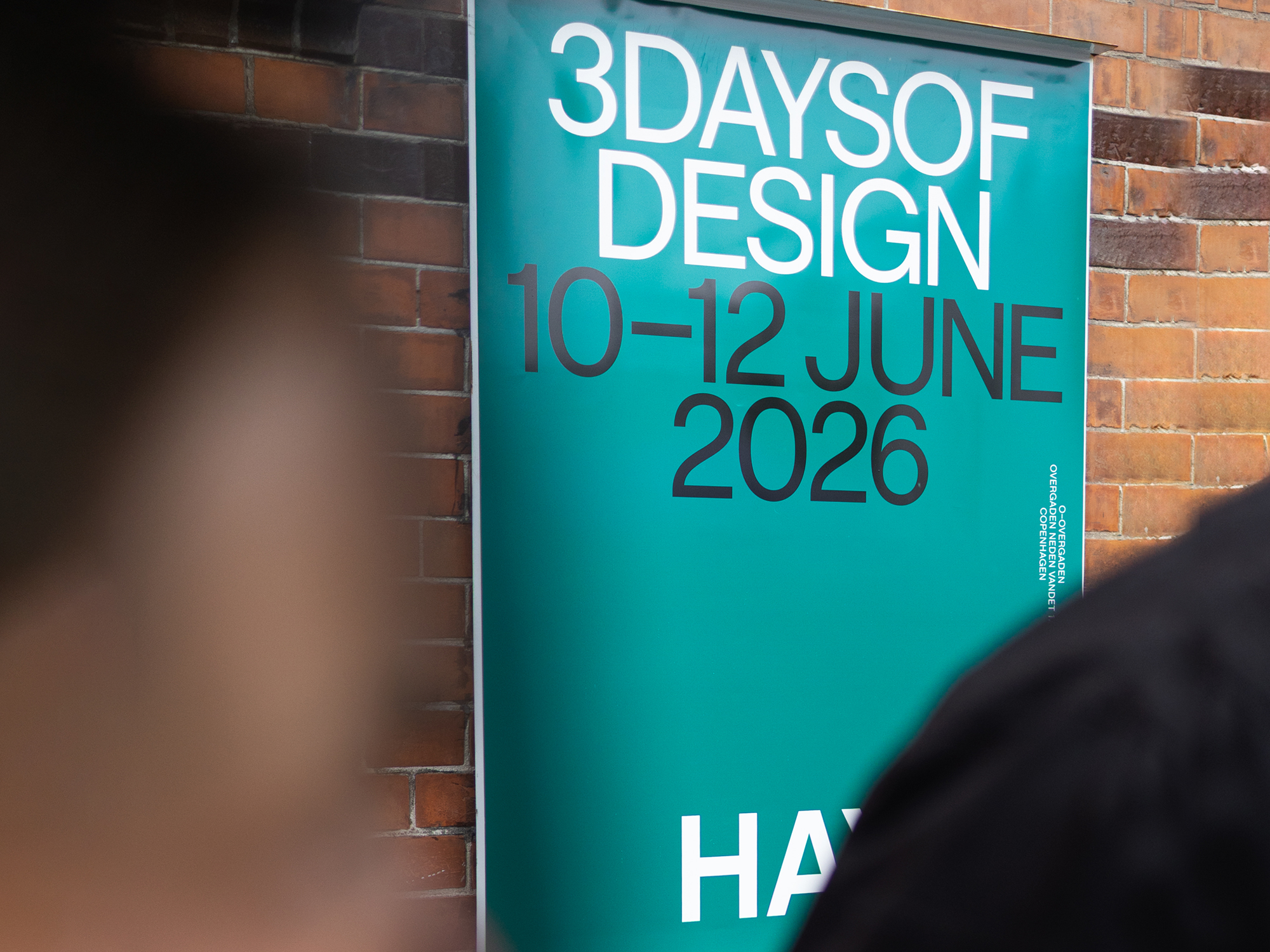
We’re back from Copenhagen – at least physically. In our minds, we’re still caught up in the design bubble amongst the showrooms, installations and courtyards of this year’s 3daysofdesign. After three days packed with new impressions, the transition back to everyday life isn’t exactly easy. Like a sponge, we soaked up the city, its exhibitions and new products; along the way, we met designers such as Sebastian Herkner and Lise Vester, had a chat with Knud Erik Hansen – and a few themes emerged particularly clearly in the process.
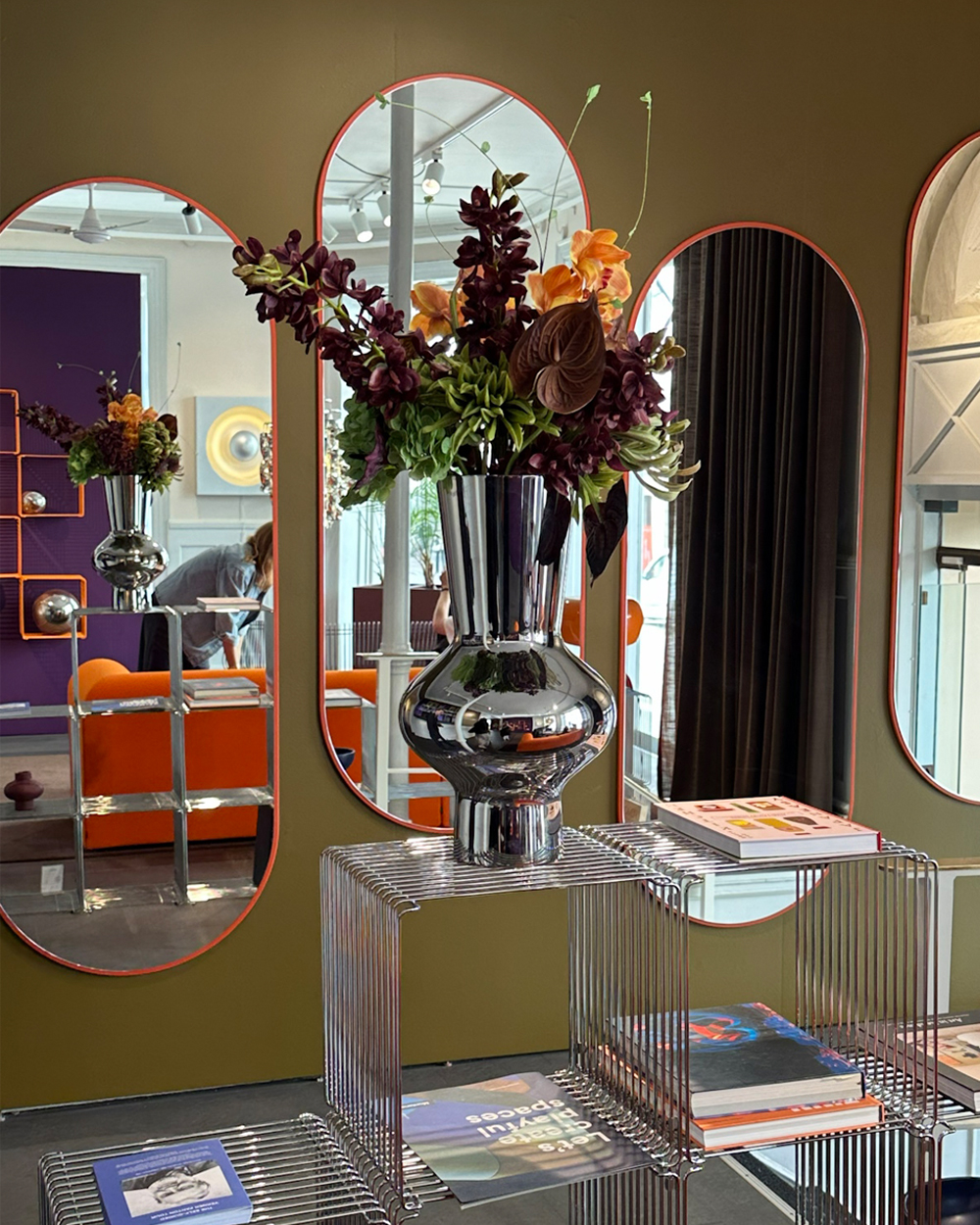
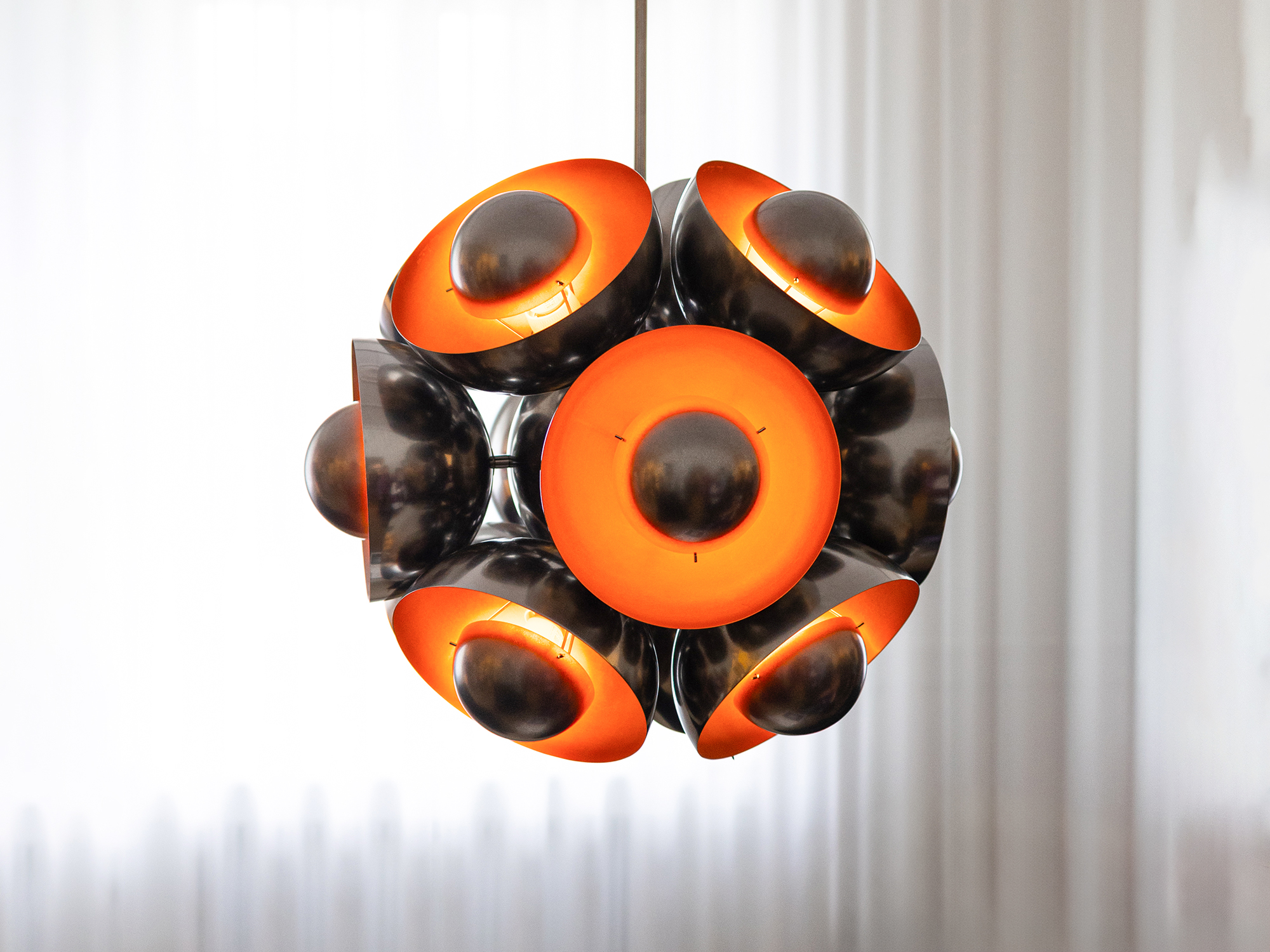
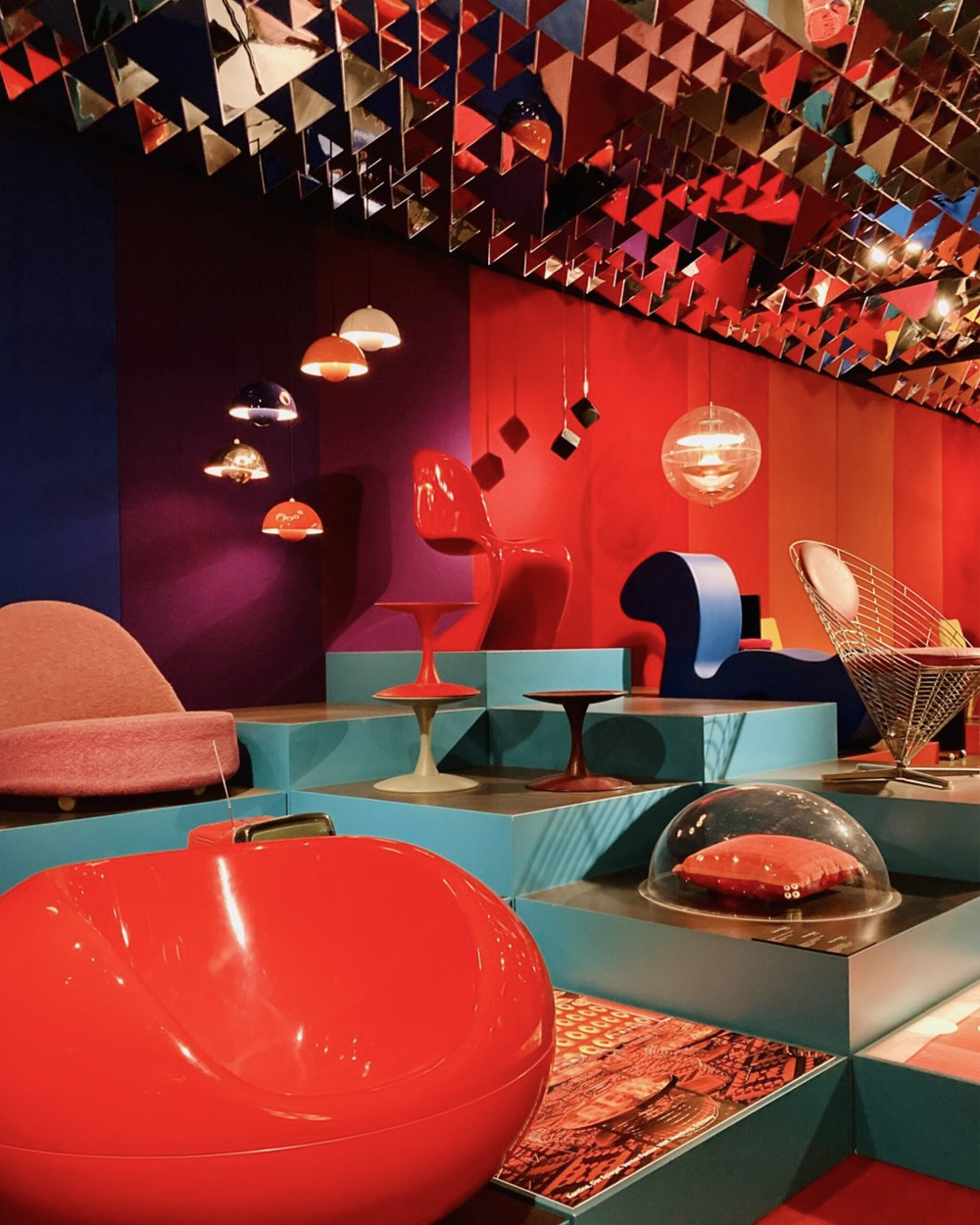
First and foremost: colour. Copenhagen in 2026 was anything but ‘greige’. Instead of understated neutrals, bold shades such as burgundy, plum, lilac, orange and moss green dominated – often combined with chrome, sometimes glossy, sometimes brushed. These colour accents featured on walls, light fittings, furniture and accessories. To mark the 100th anniversary of Verner Panton’s birth, a love of colour and experimentation was palpable everywhere.
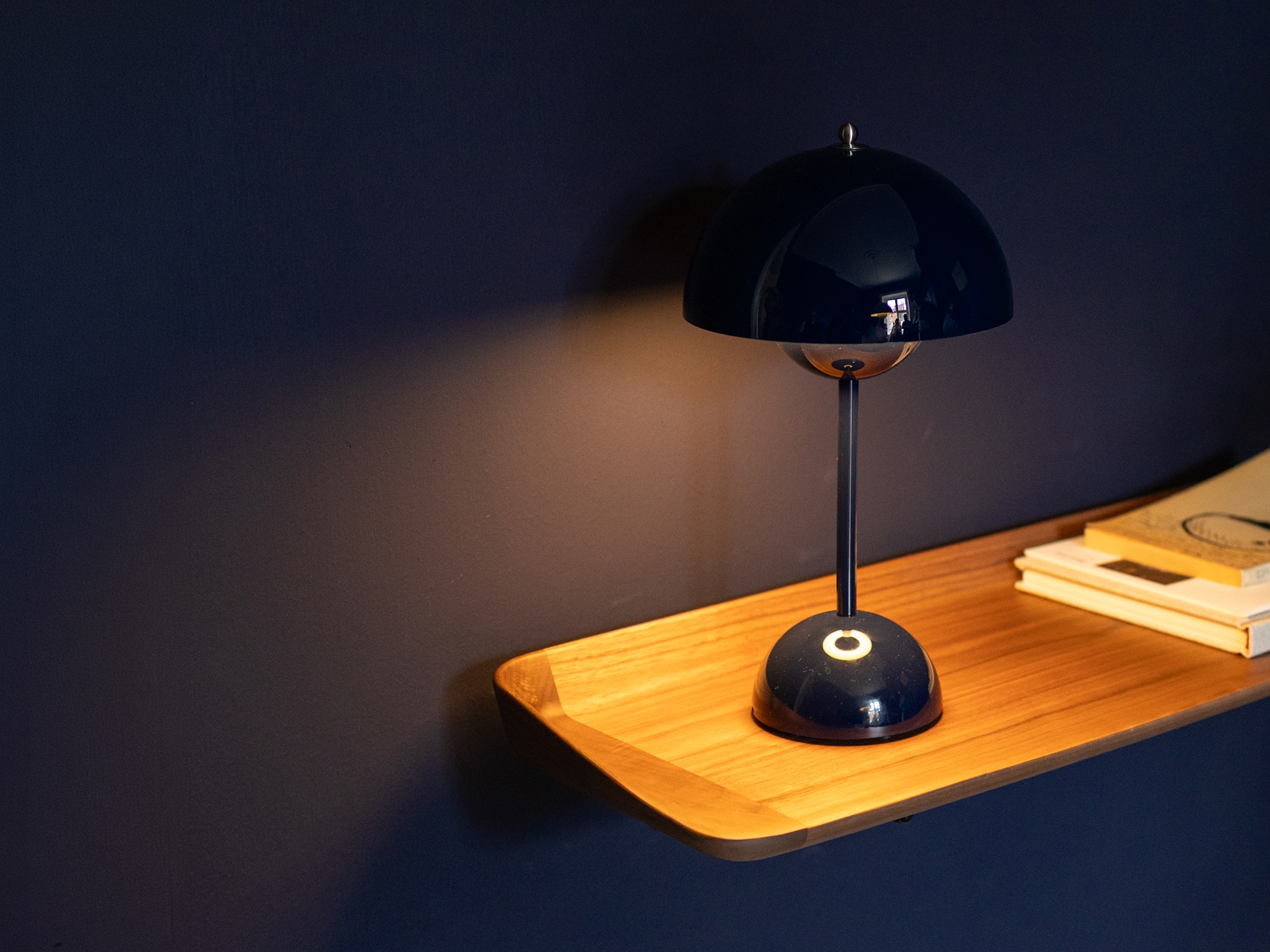
One example is the Special Edition of the Flowerpot VP9 with its warm, orange light. The Pedestal Table Stand, too, is designed more as an integral part of the interior, with its colour scheme matching that of the room and the walls.
In many places, furniture and architecture have been consistently conceived as a unified whole. Particularly striking is the use of wall colours as a central design element – not merely as a backdrop, but as a means of defining the entire space.
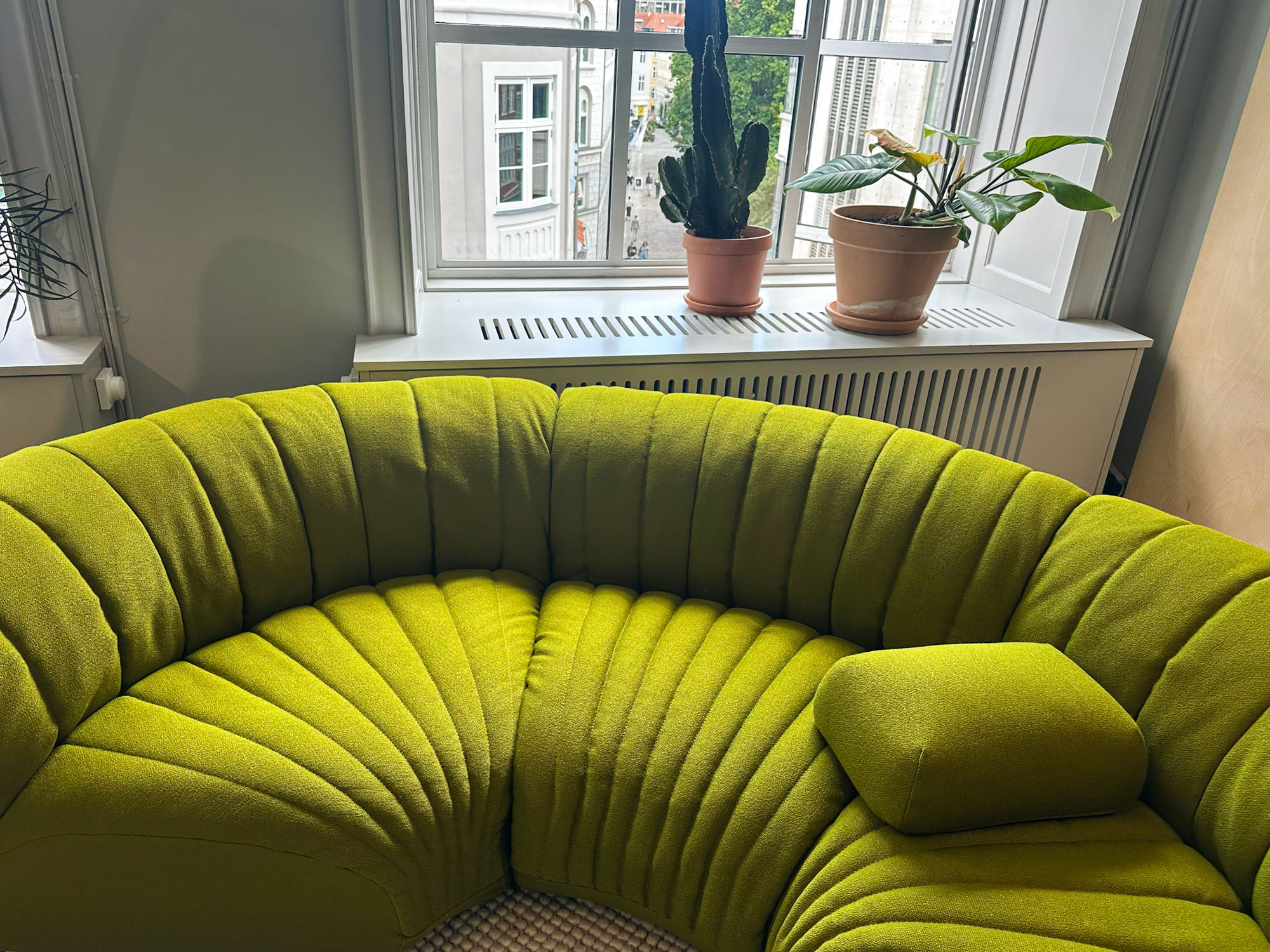
Sofas therefore take centre stage as colourful focal points. The round Coltre sofa by Muuto stood out as a calming presence in the room – for example, in Burgundy or moss green.
The theme of colour was also consistently reflected in the new products. Hay presented two contemporary designs – the new Chisel Bar Stool and the Chisel Dining Chair – which were showcased in Burgundy and emphasise colour as a central design element. Montana Furniture is also bringing back its Montana Shelving Unit in a limited edition featuring three historic special colours.
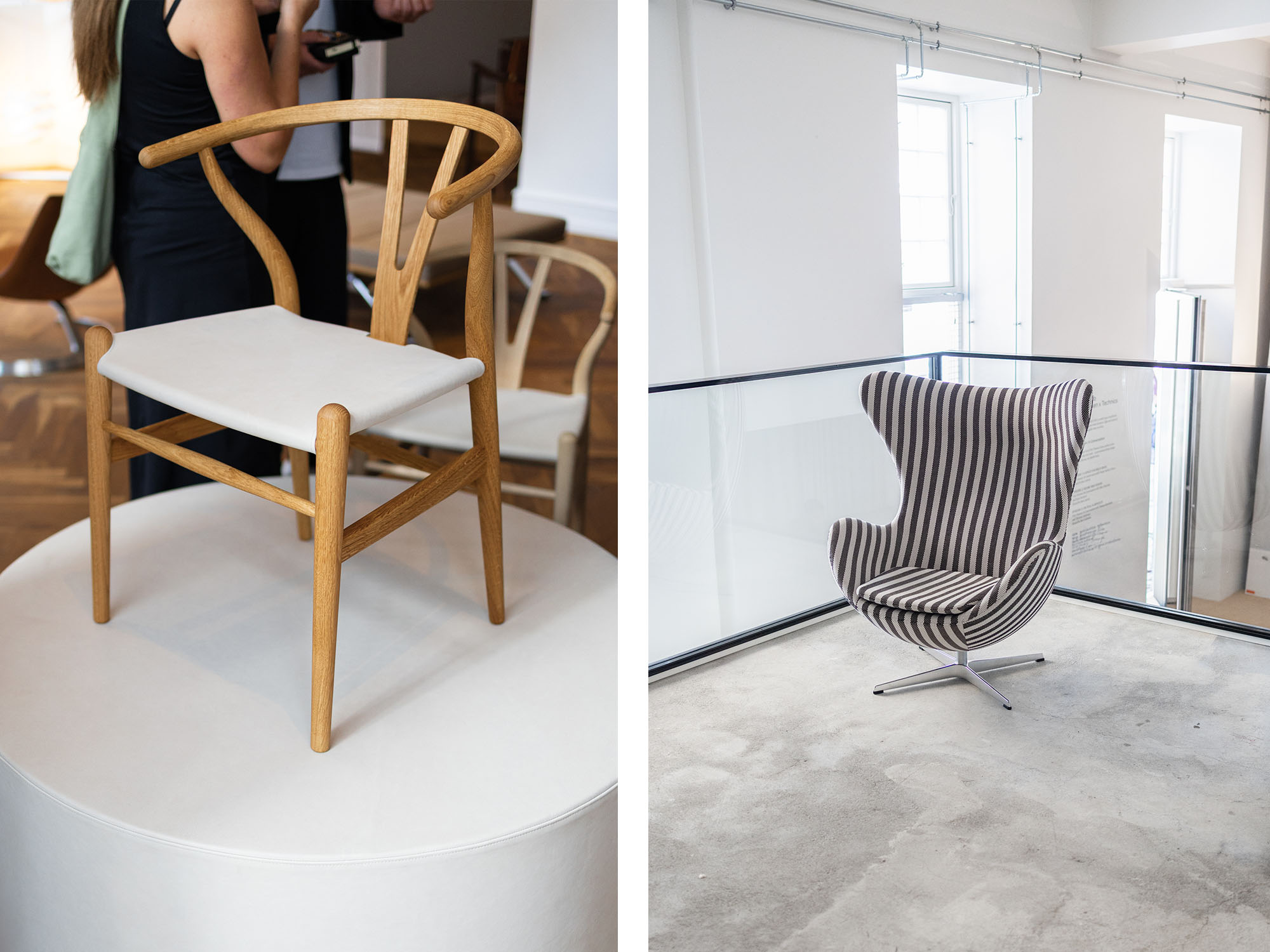
This was complemented by new materials in the classics segment: the CH24 Wishbone Chair was reimagined with a leather seat, giving it a much more material-focused, understated look. Fritz Hansen’s iconic pieces were also given a fresh look – including a striped fabric cover that adds a graphic, almost fashion-inspired dimension to the classic designs.
Vitra’s new Bascule Lounge Chair was a particular highlight. The chair looks like a jacket thrown over it – characterised by the generous cover designed by Studio OE, a studio founded in Berlin in 2021 by Anne-Sophie Oberkrome and Lisa Ertel, who have been working together since their studies at the Karlsruhe University of Arts and Design. The studio has been collaborating with Vitra since 2025.
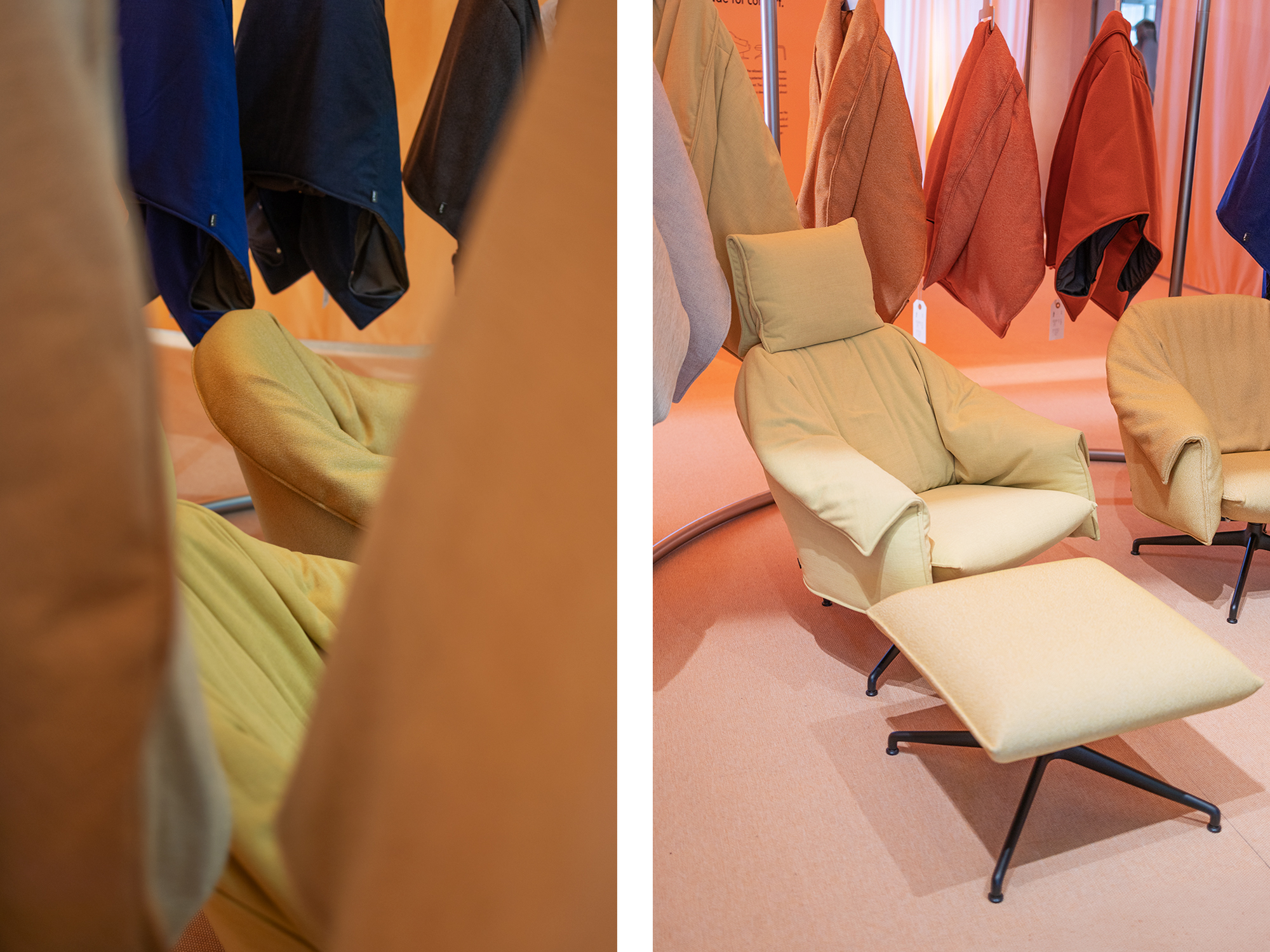
The upholstery deliberately applies a fashion-inspired approach to furniture: soft, generously cut, removable and designed in various colour and material combinations. The presentation also reflected this concept – fabric samples hung from coat hooks like jackets, deliberately arranged by colour, as if the piece were only coming together once it had been ‘dressed’.
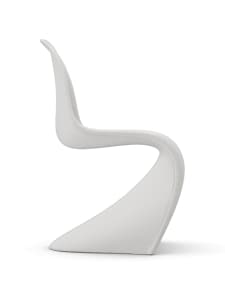
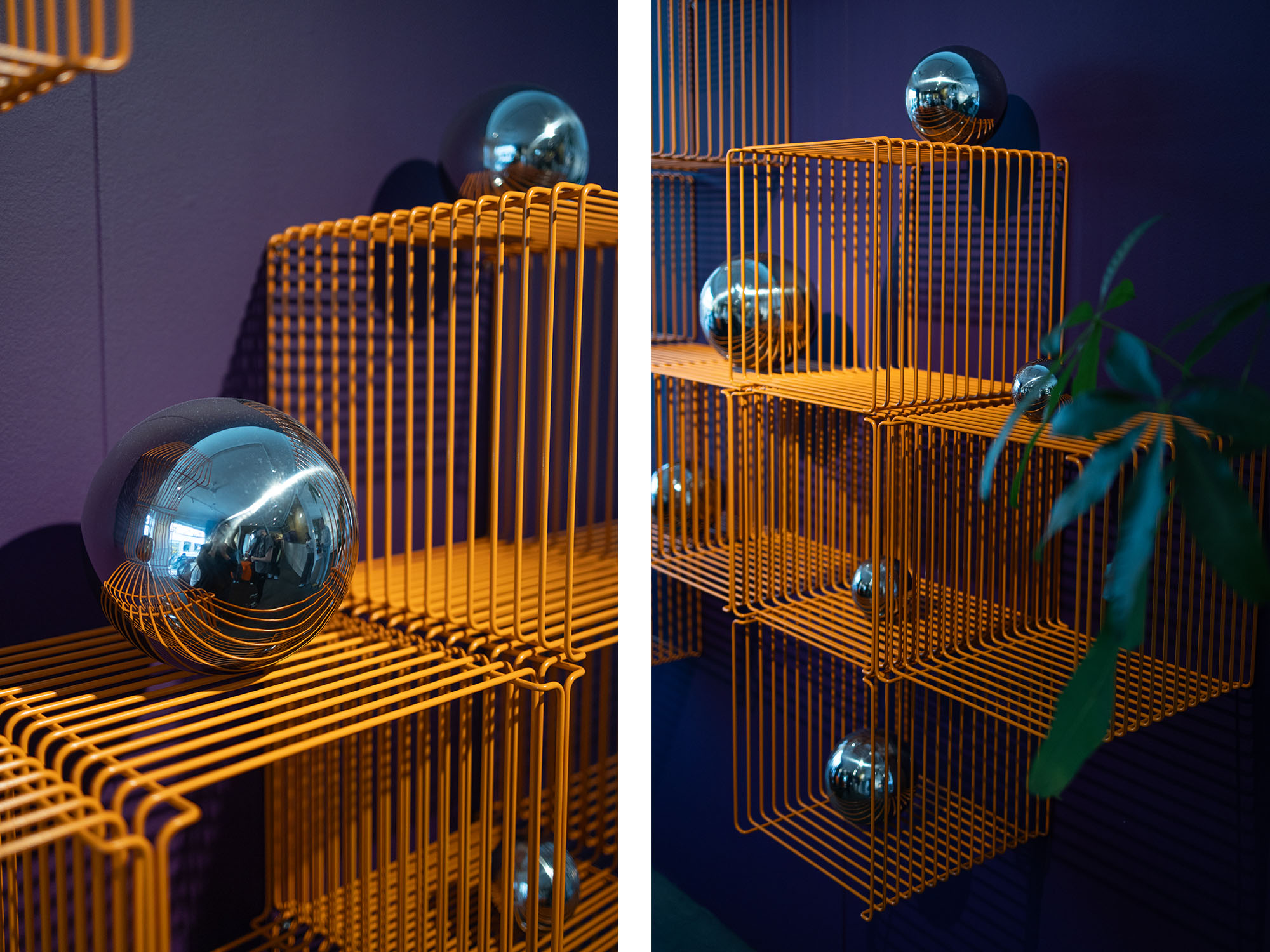
Verner Panton’s anniversary year was celebrated everywhere, from manufacturers’ showrooms right through to the Danish Design Museum. His iconic designs made every space feel a little like design heaven. Particularly eye-catching: the 100th Anniversary Edition of the Panton Wire System in new special colours.
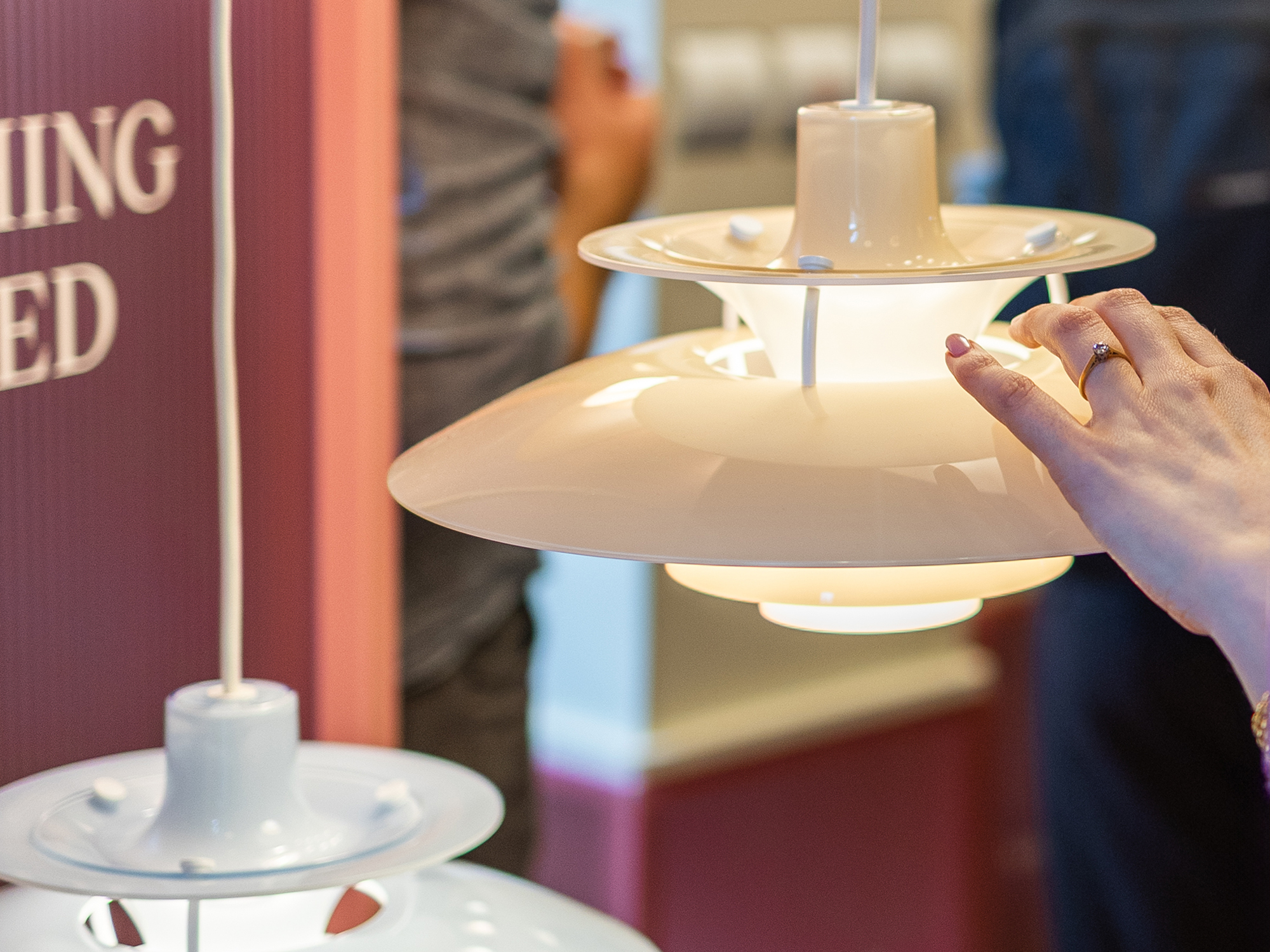
Poul Henningsen’s three-shade system is also celebrating its 100th anniversary. The new PH 5 320 Opal was previewed in three colours and will be released in September. The Opal version has a much softer and more atmospheric feel than the original.
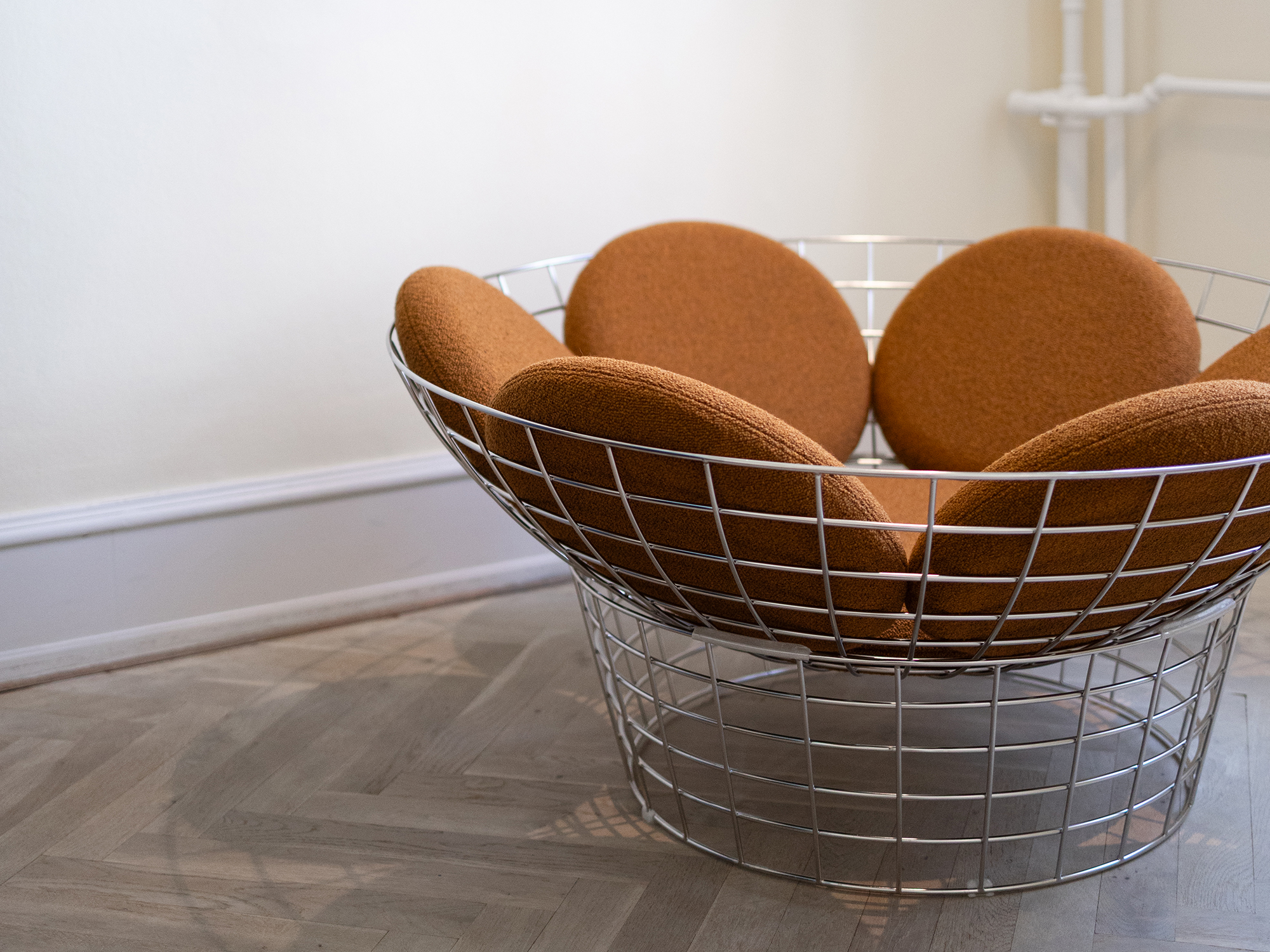
Another key focus was on reinterpretations of design classics. These include Verner Panton’s Peacock Chair, which has been reissued as part of the collaboration between Cassina and Karakter.
Designed in the late 1950s, the Wire Armchair is one of Panton’s early experiments with form and lightness. Cassina has taken over Karakter; both brands now operate within the same corporate structure. Whilst Cassina is responsible for production and industrial implementation, Karakter brings a curatorial perspective to the Panton legacy. This creates a close interplay between production and contextualisation that remains very faithful to the original.
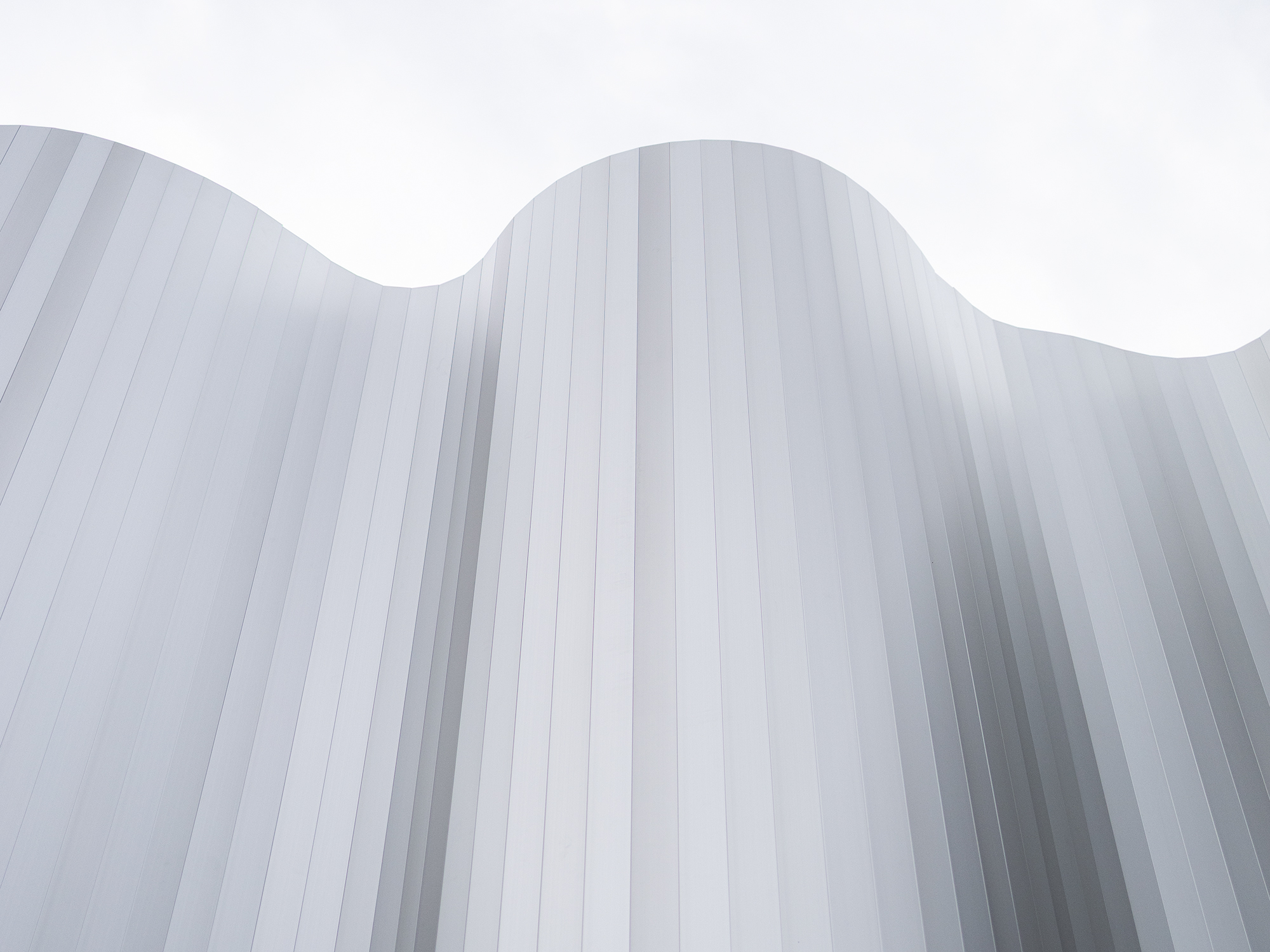
An absolute highlight was the oversized Aalto vase, which was reminiscent of the immersive installations at Milan Design Week. Here, the vase was not displayed as an object, but staged as a walk-in, metallic spatial sculpture.
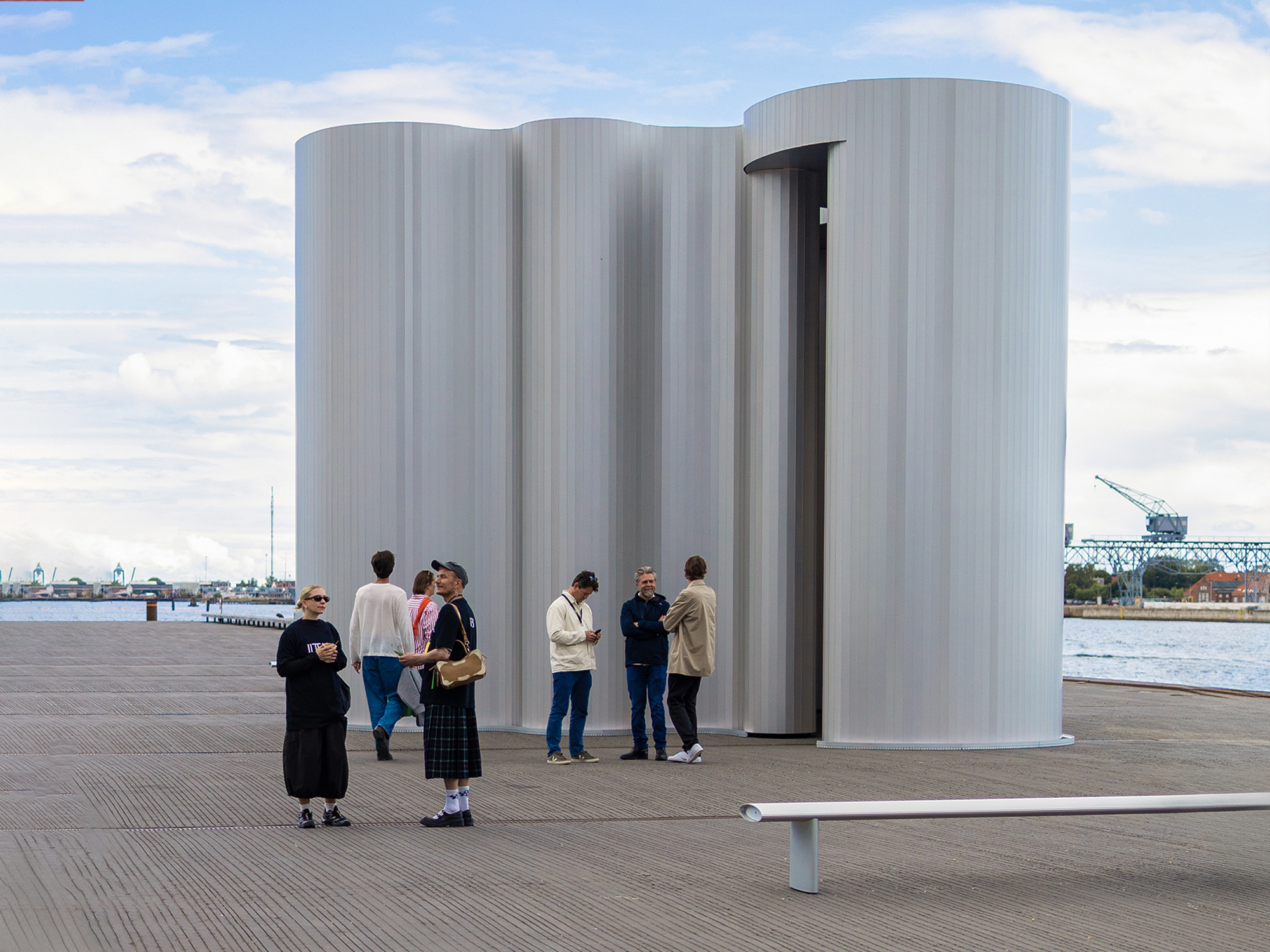
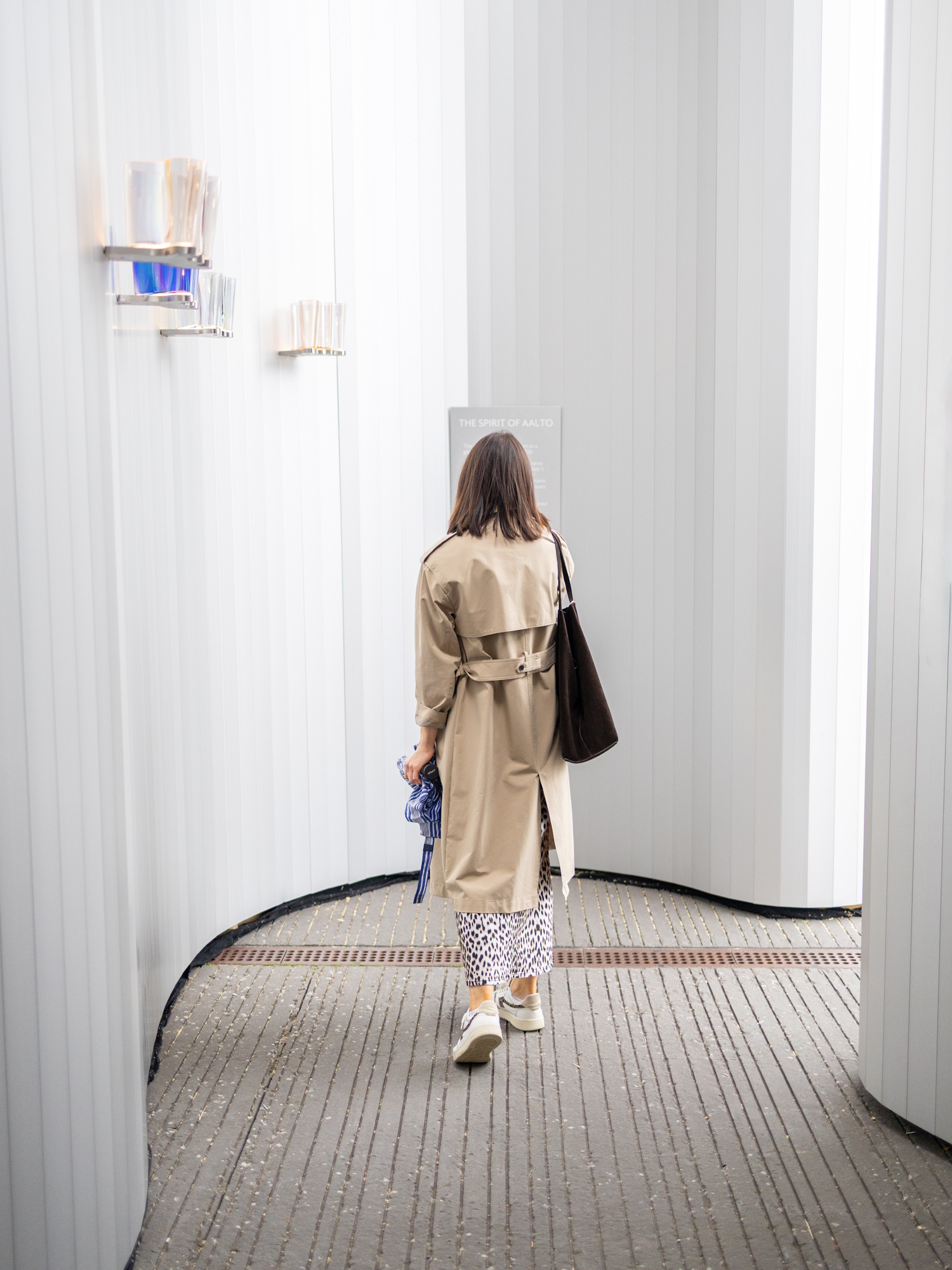
As you stepped inside, your sense of scale shifted instantly: the familiar silhouette transformed into a space that enveloped the body. The curved contours of the vase became walls that did not separate but rather guided – one moved through the form rather than merely observing it. Light reflected off the metal surface, so that the boundaries between inside and outside were constantly shifting. Depending on the angle of view, the installation appeared open or closed, soft or monumental.
The experience thrived precisely on this sense of disorientation: an iconic object that one thinks one knows suddenly becomes something one can physically experience – a brief moment of immersion that completely shatters one’s familiar sense of scale.
Copenhagen proved surprisingly light-hearted – despite the weighty themes. Amidst colours, new products and anniversaries, an atmosphere emerged that balanced intensity with a playful sense of ease. The anniversaries celebrating Verner Panton and Poul Henningsen’s PH System, in particular, provided a historical framework that did not feel like a museum exhibition, but rather opened up new perspectives. Added to this were immersive installations such as the Aalto Vase, which made design tangible as a spatial experience.
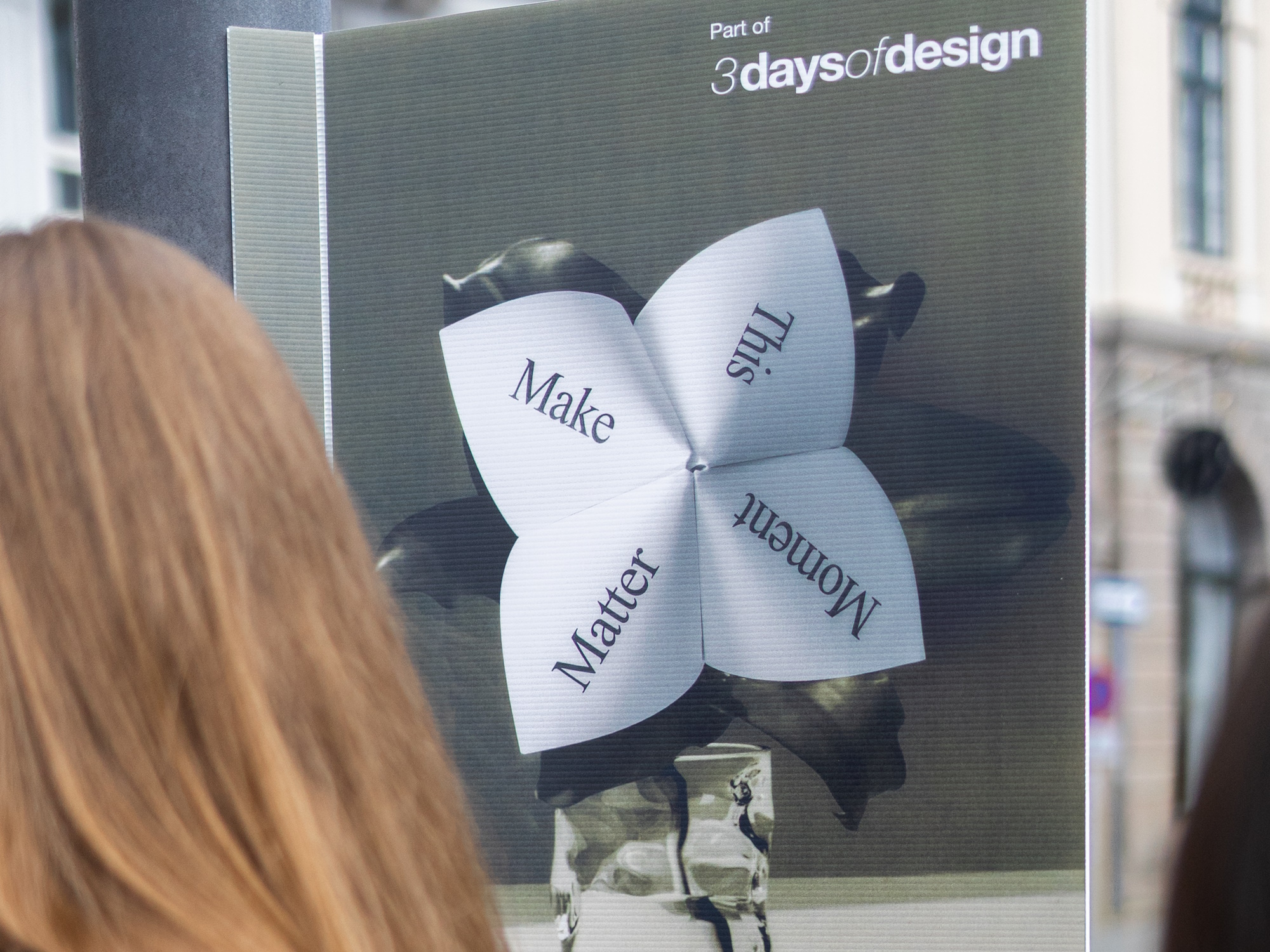
In the end, what remains is less a collection of individual impressions than a feeling: Copenhagen as a city of design, defined not by its noise but by the interplay of colour, space and presentation. Products became scenes, objects became situations – and it was precisely in this that this special blend of lightness and focus emerged, one that continues to linger long after you’ve returned home. For us, Copenhagen really is a ‘happy place’: a city where not only does a design lover’s heart start to leap, but where a fundamental sense of openness and serenity can be felt – both in the urban landscape and in the exhibitions.