Making the most of Le Klint: Style advice for the living room, dining room and hallway
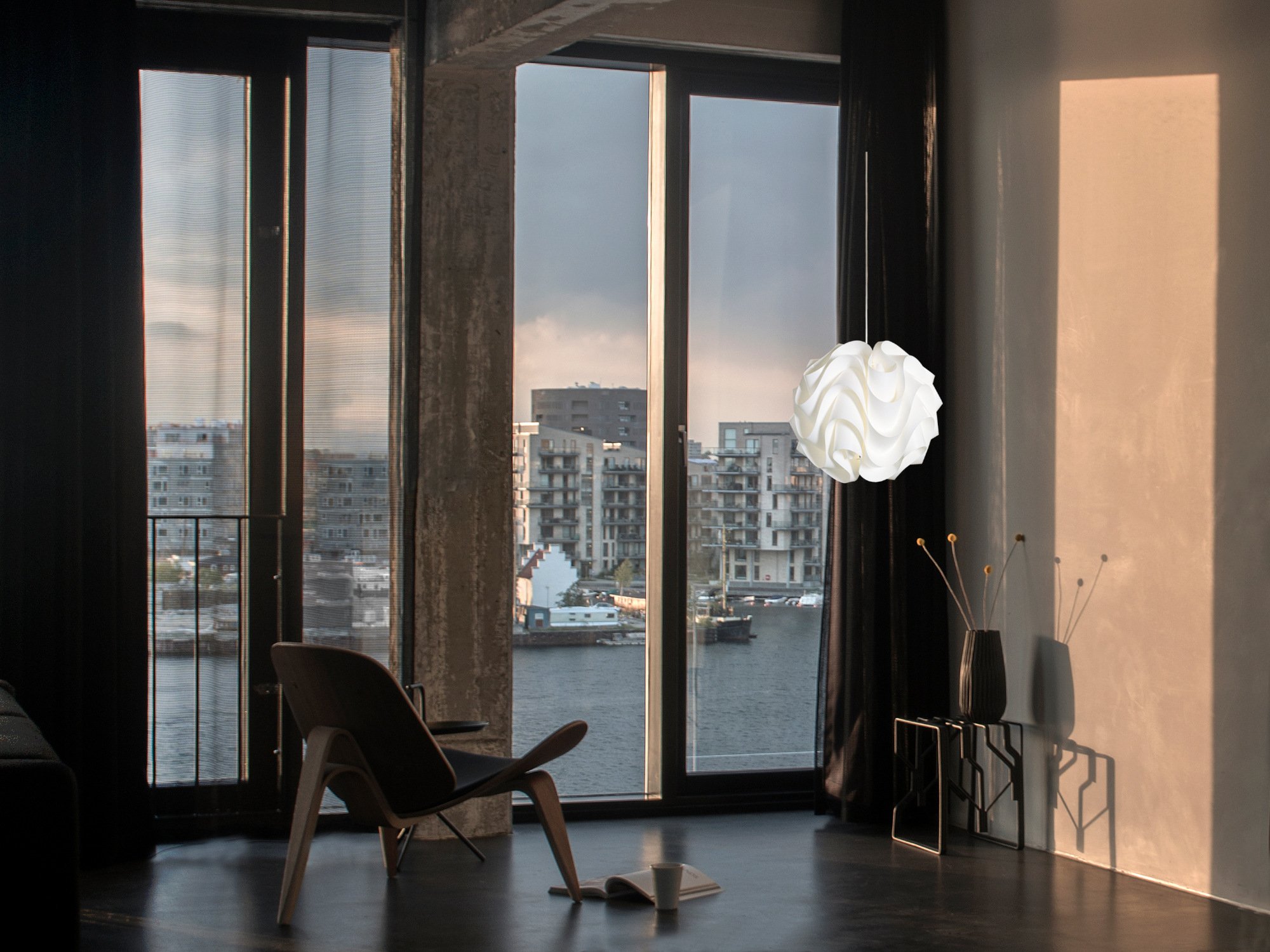
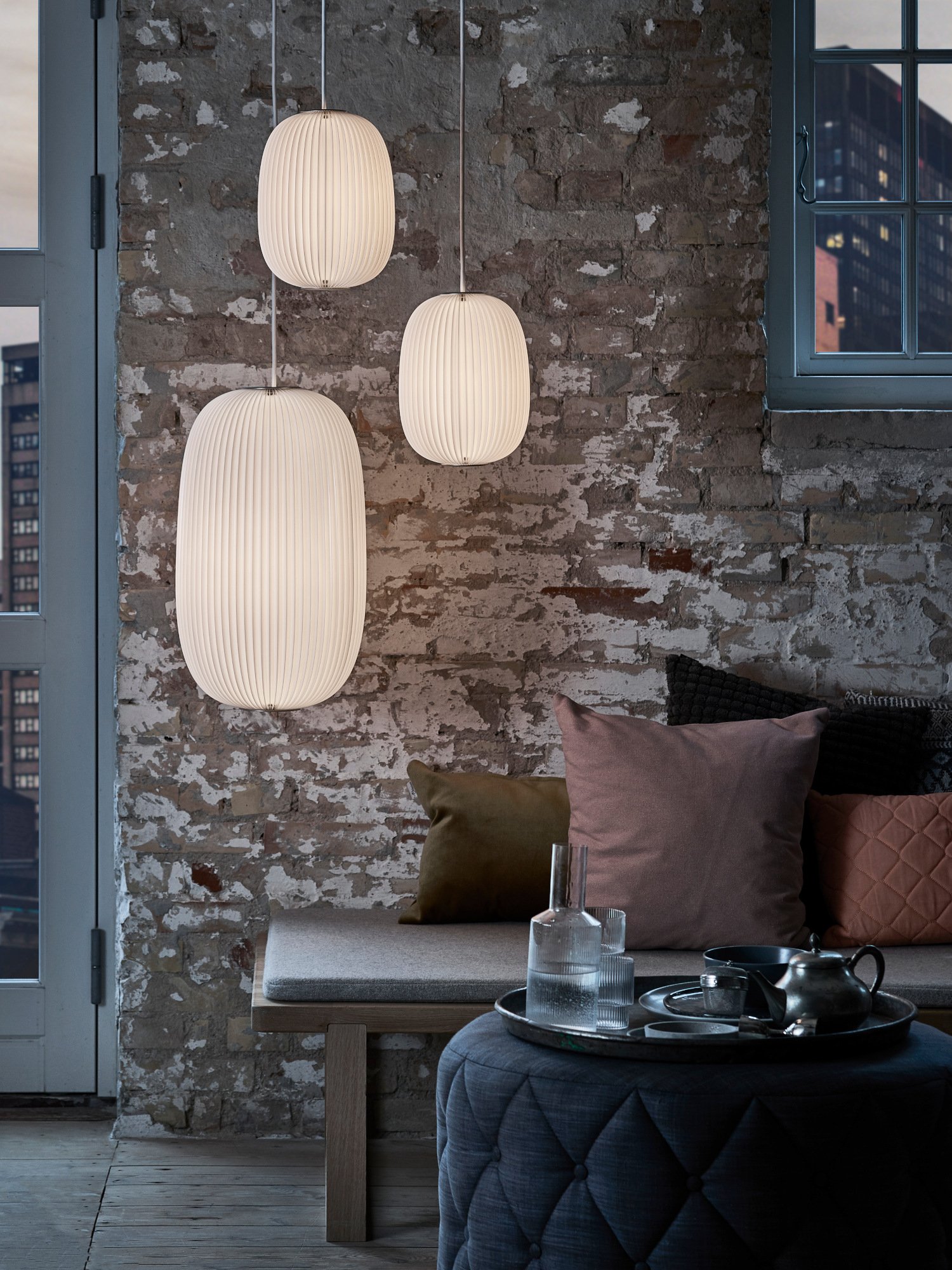
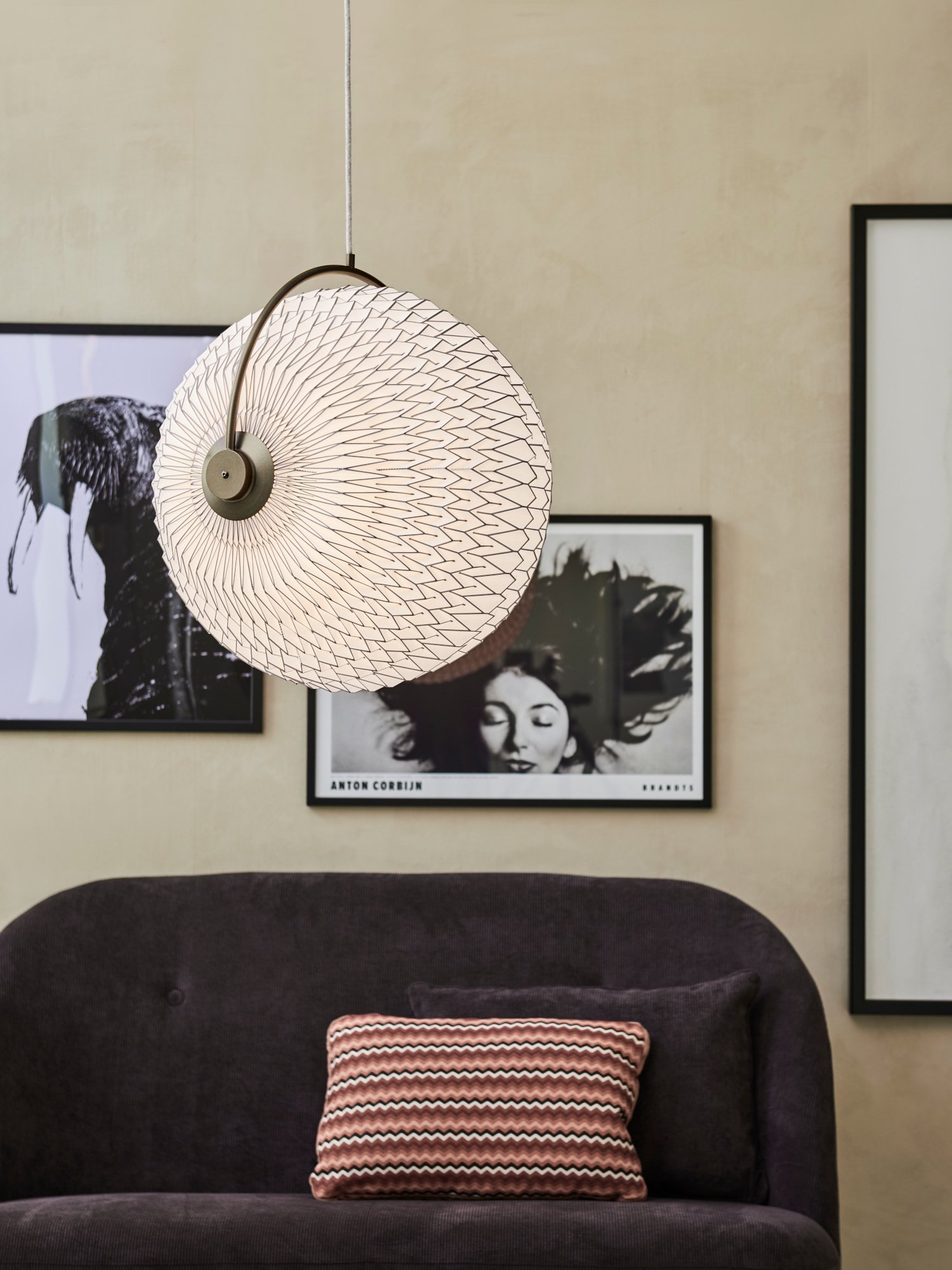
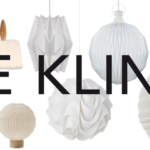
Depending on the model, a Le Klint light fitting can fulfil a wide variety of roles in your interior design. The understated colours, organic to clean-lined shapes and the warm, diffused light are particularly well suited to calm, high-quality interior design schemes.
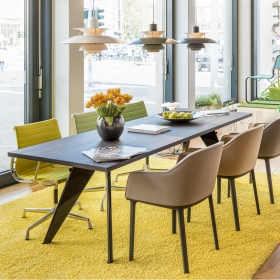
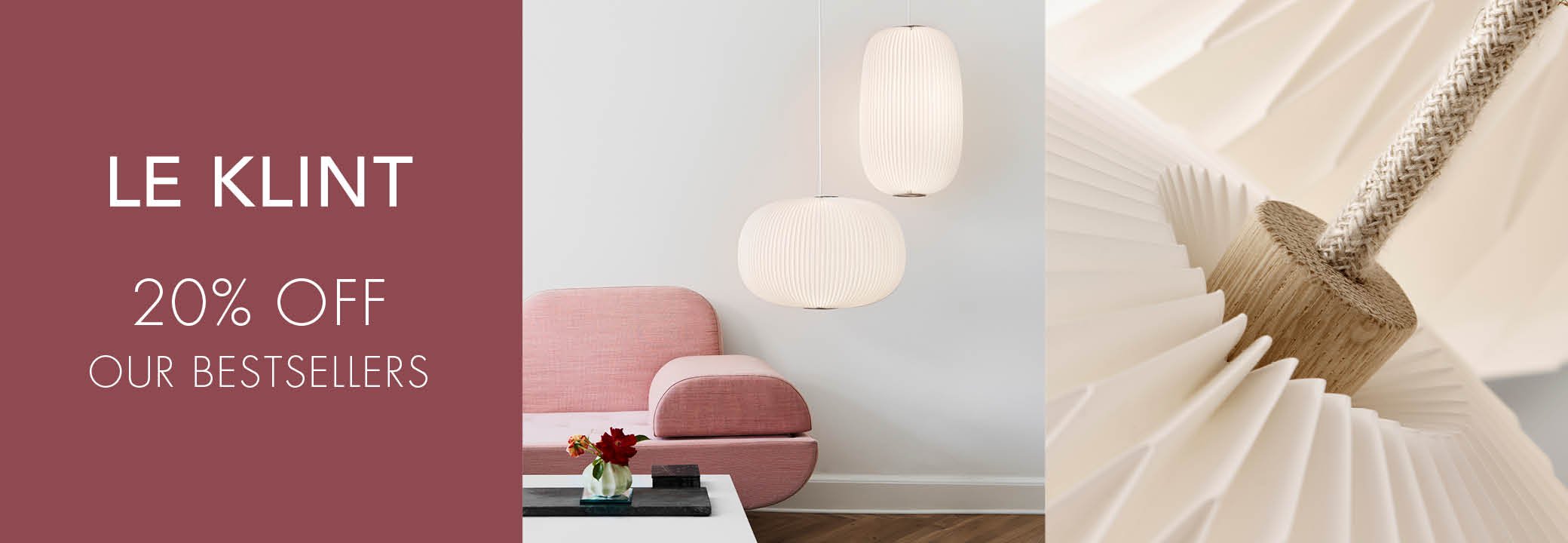
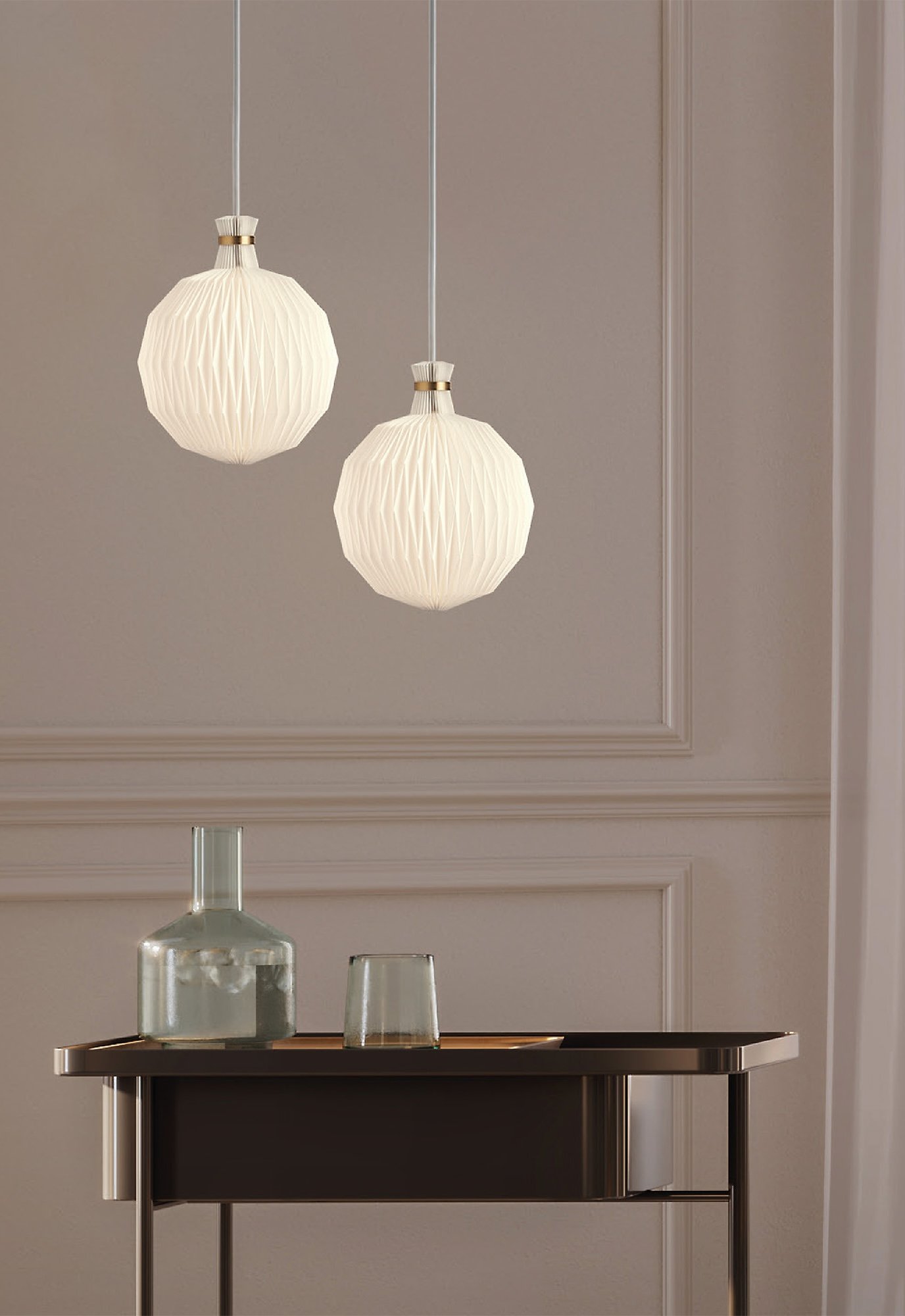
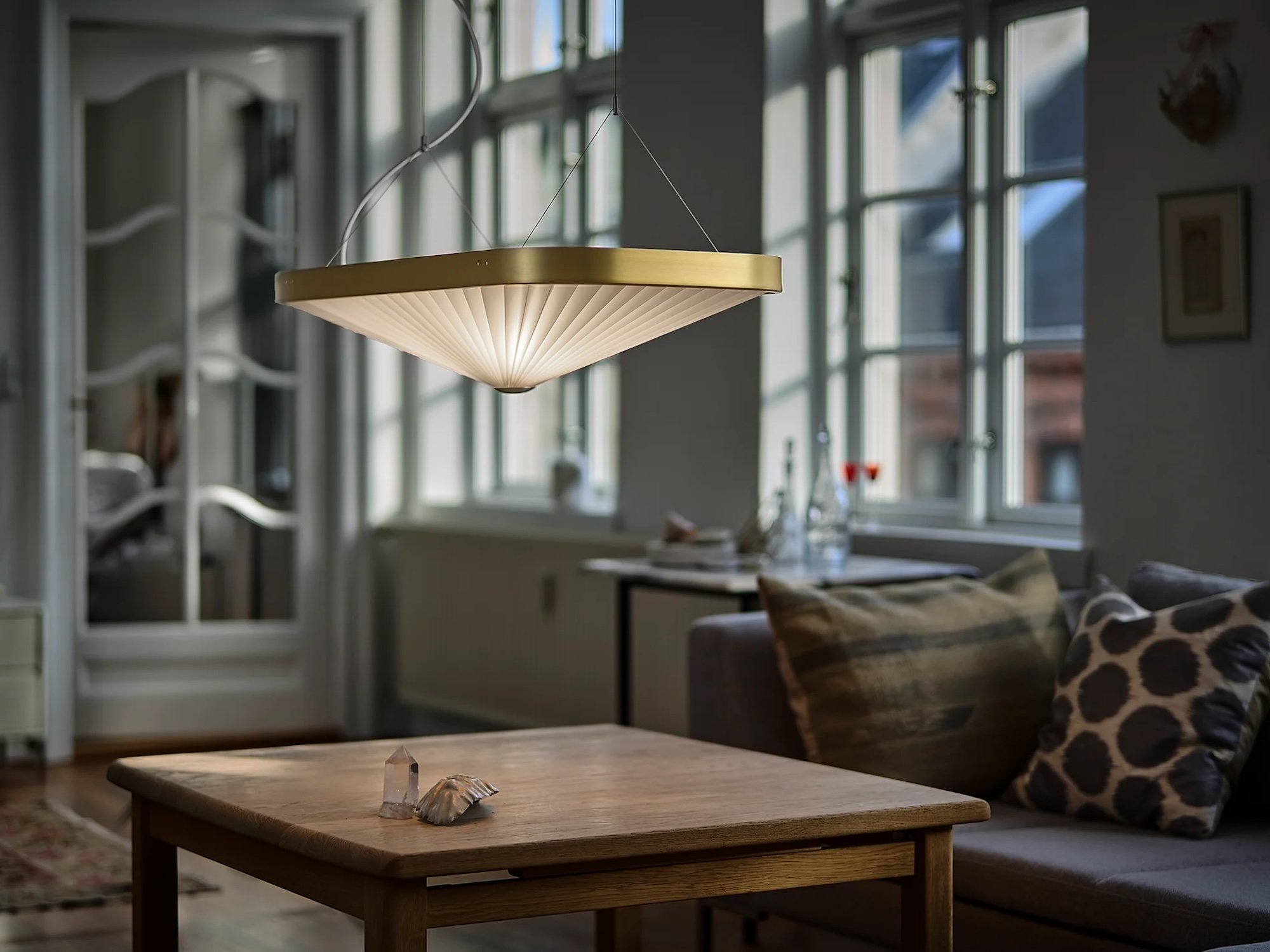
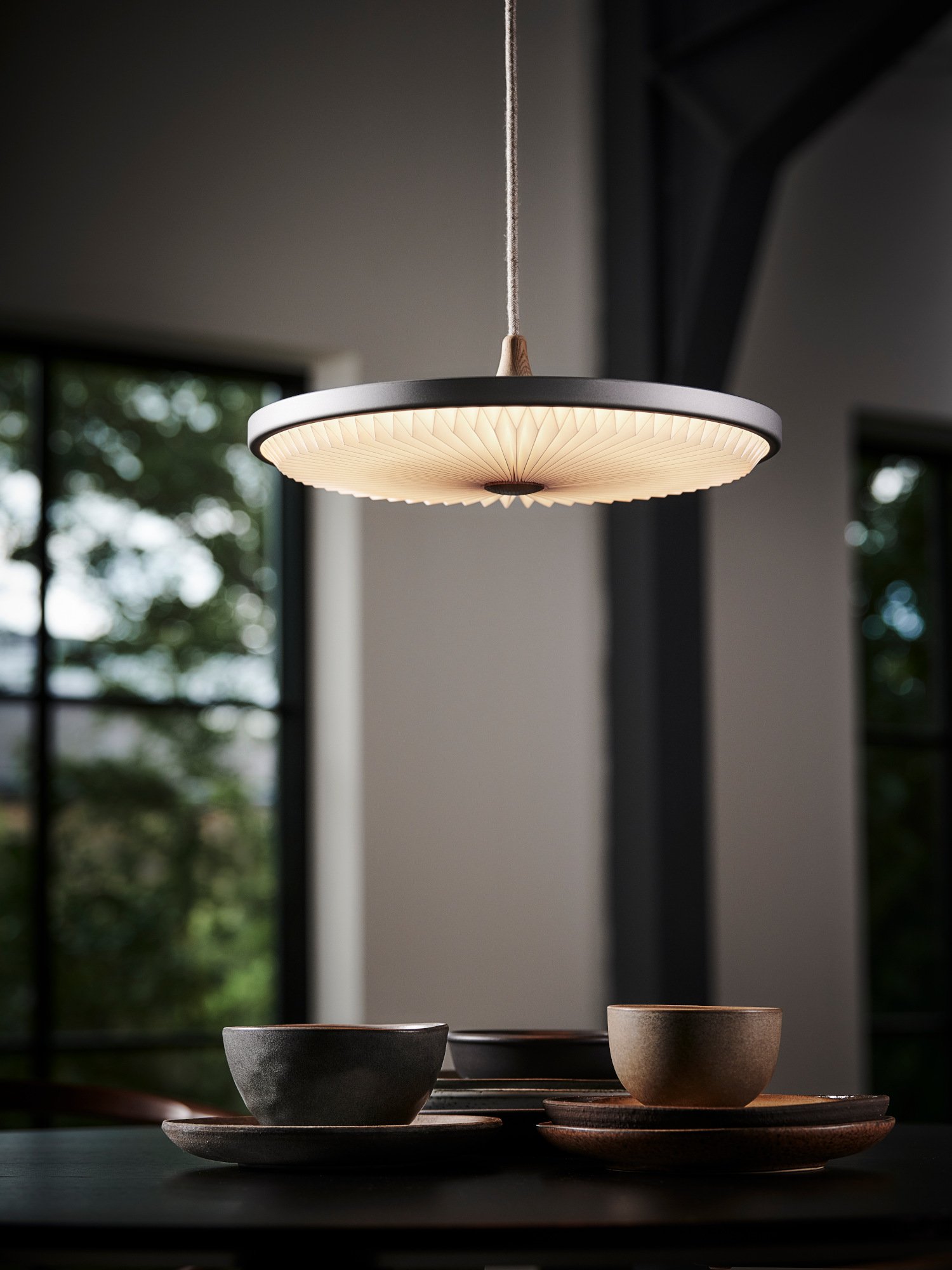
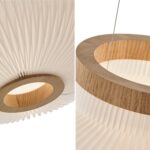
Hanging above the dining or coffee table, a pendant light quickly becomes a focal point of the design. Models such as the Soleil or Celine pendant lights are particularly well-suited for this. The light should be positioned so that it illuminates the table well, whilst at the same time not obstructing the view between the seats. The distinctive Le Klint design creates a unique lighting effect and makes the pendant lights a striking design feature even when switched off.
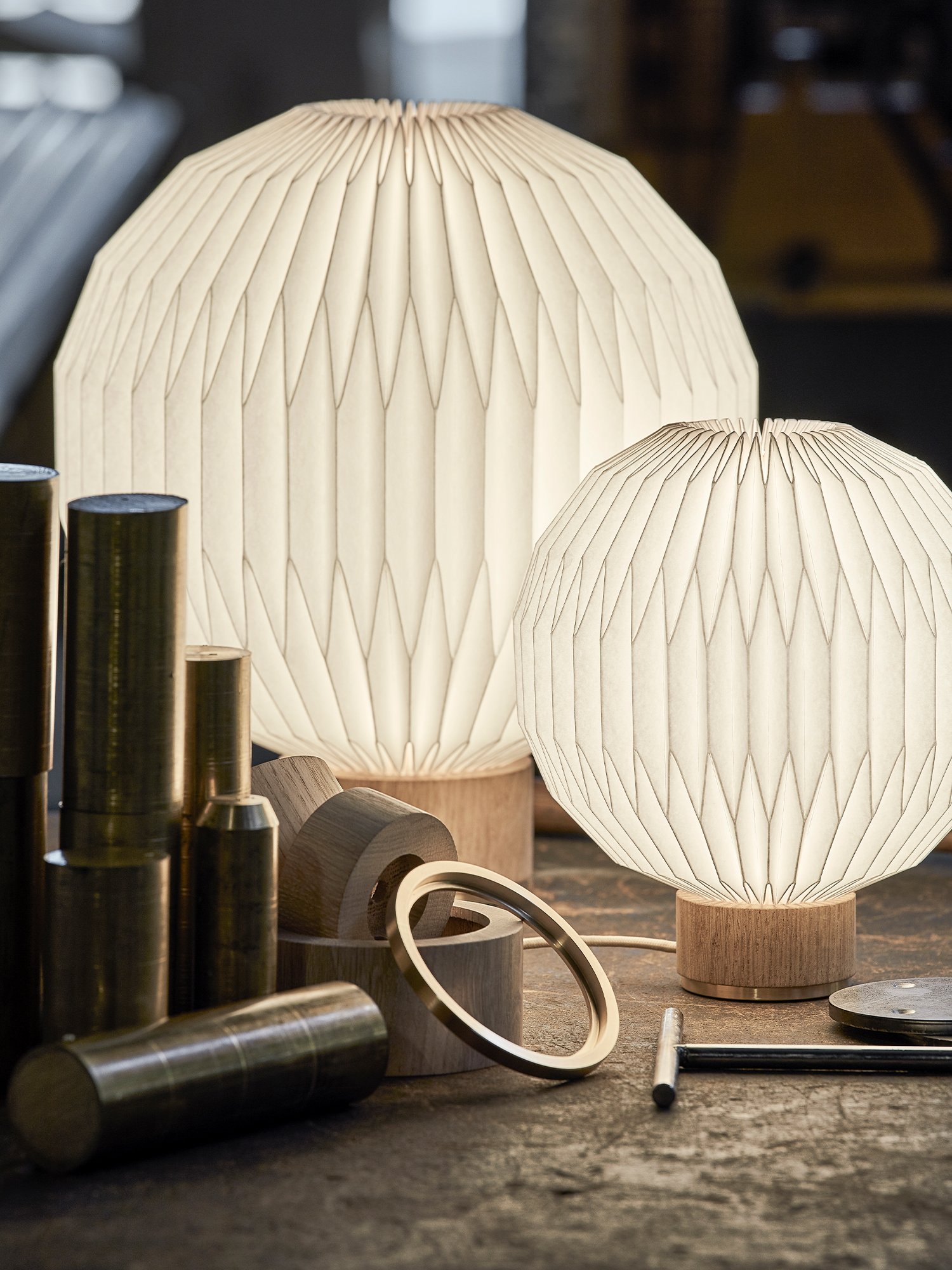
In the living room, table and floor lamps can be used to create additional pockets of light where needed. The Model 375 or Bee Hive, for example, can provide cosy, indirect lighting when placed on a side table, sideboard or other surface.
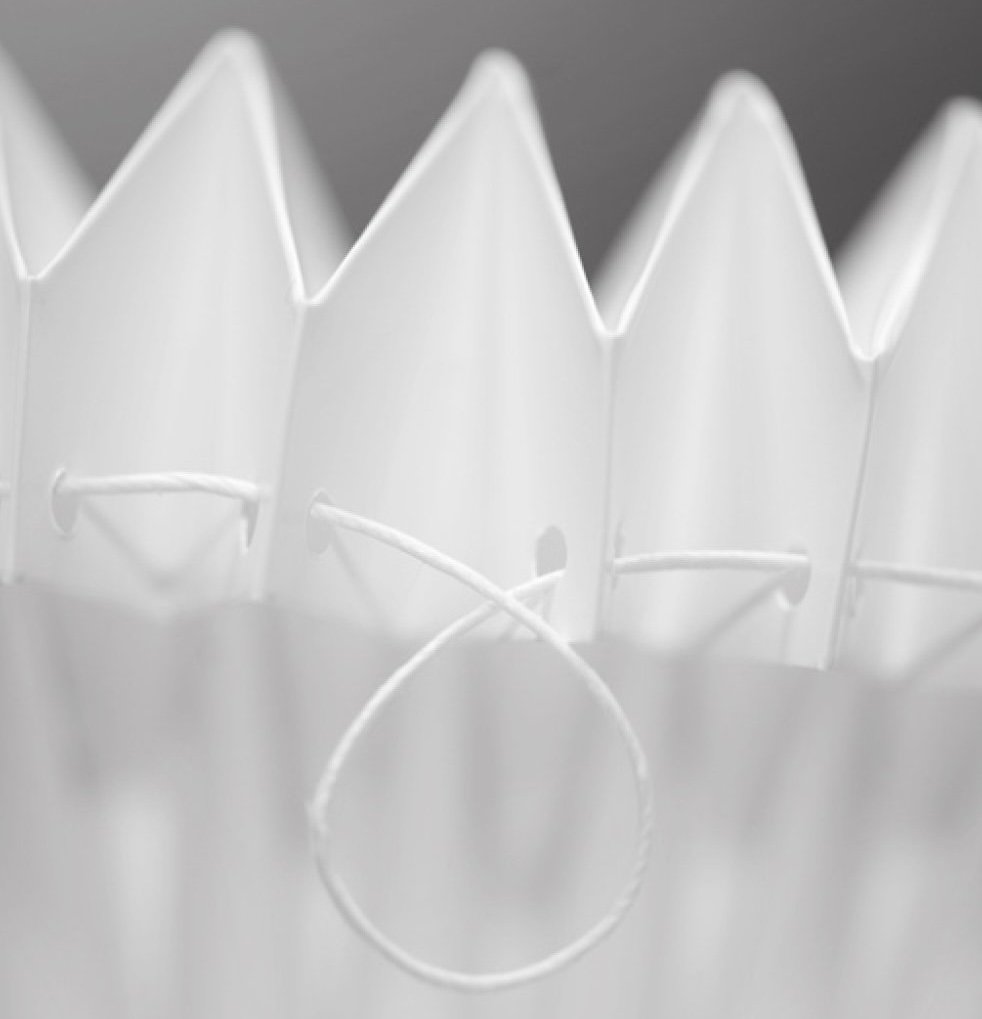
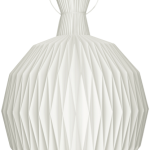
In the hallway, on the other hand, a smaller pendant light such as the Model 101 can create a focused accent. The characteristic pleating really comes into its own, particularly in entrance areas with a more understated décor.
Stylistically, Le Klint lamps are not limited to the classic Scandinavian look. The combination of handcrafted lampshades and a minimalist design language works just as well with warm minimalism, Mid-Century Design or a mix of classic and contemporary furniture.
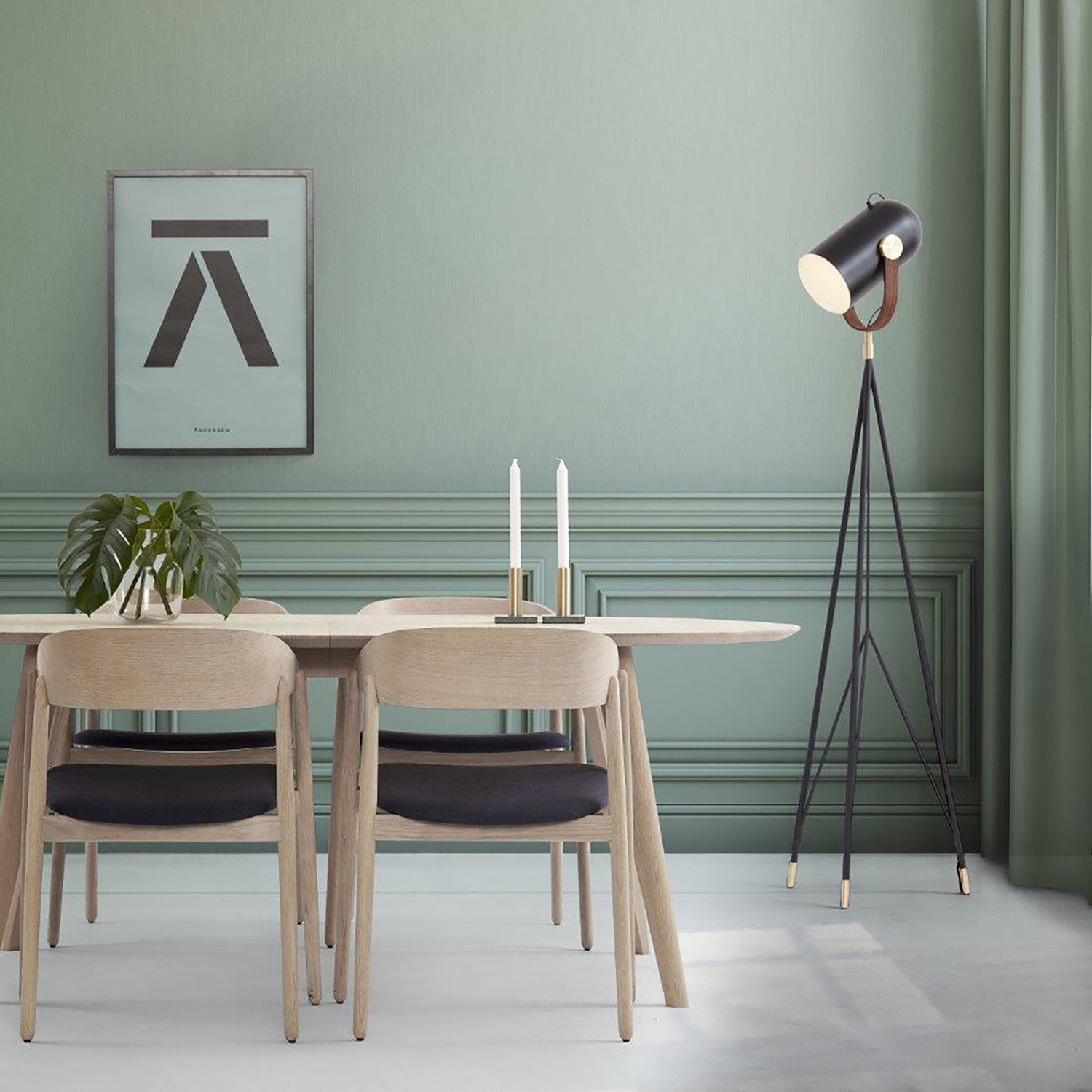
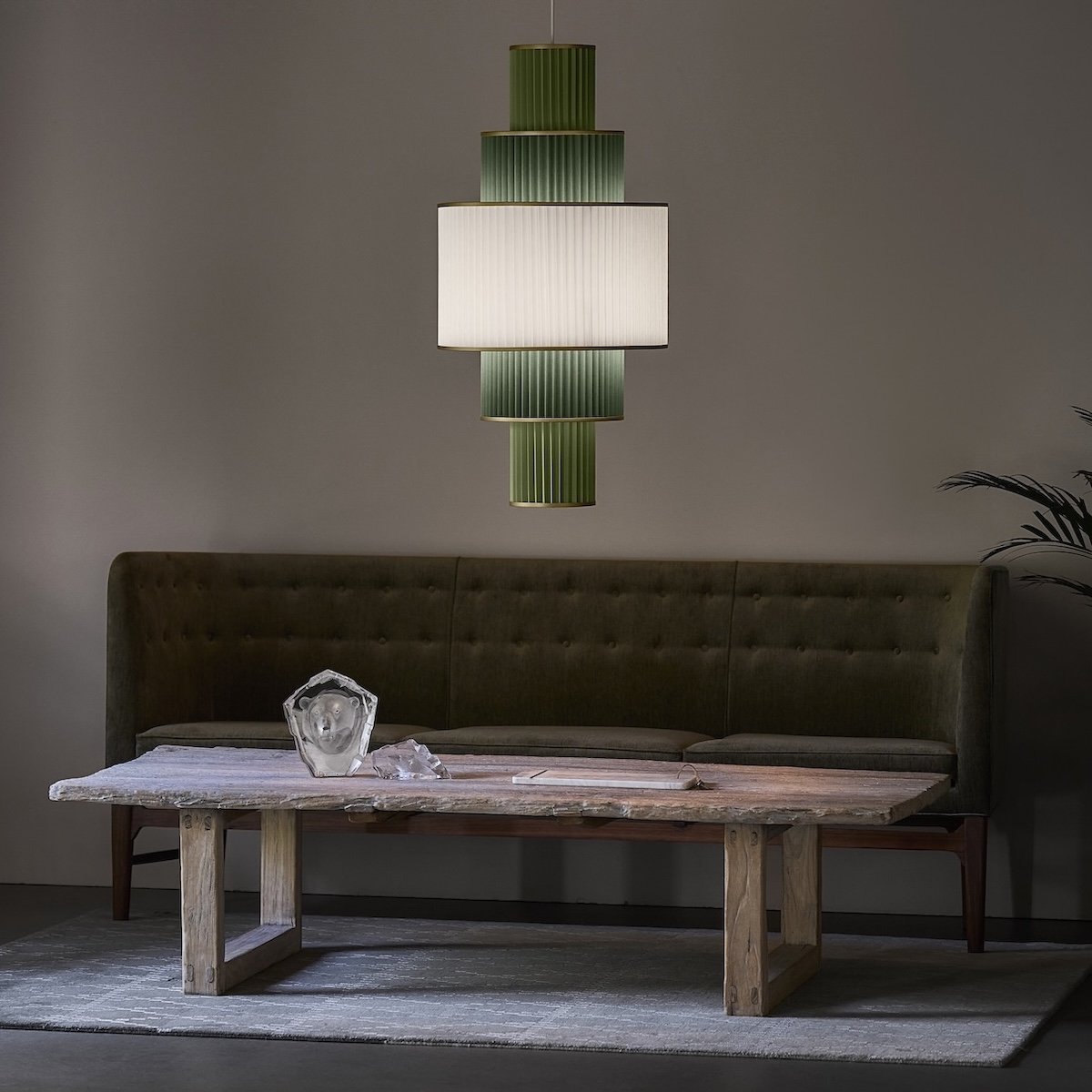
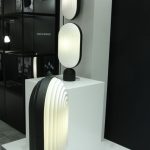
Le Klint stands for extraordinary lighting – some models take this concept to new extremes. Models such as the Plivello pendant light or the Carronade II High floor lamp catch the eye with their extravagant design and strong presence. They are less understated and deliberately make a striking statement in the room.