20% Discount on our Le Klint Bestsellers

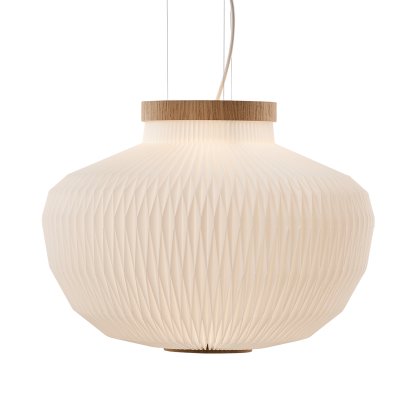
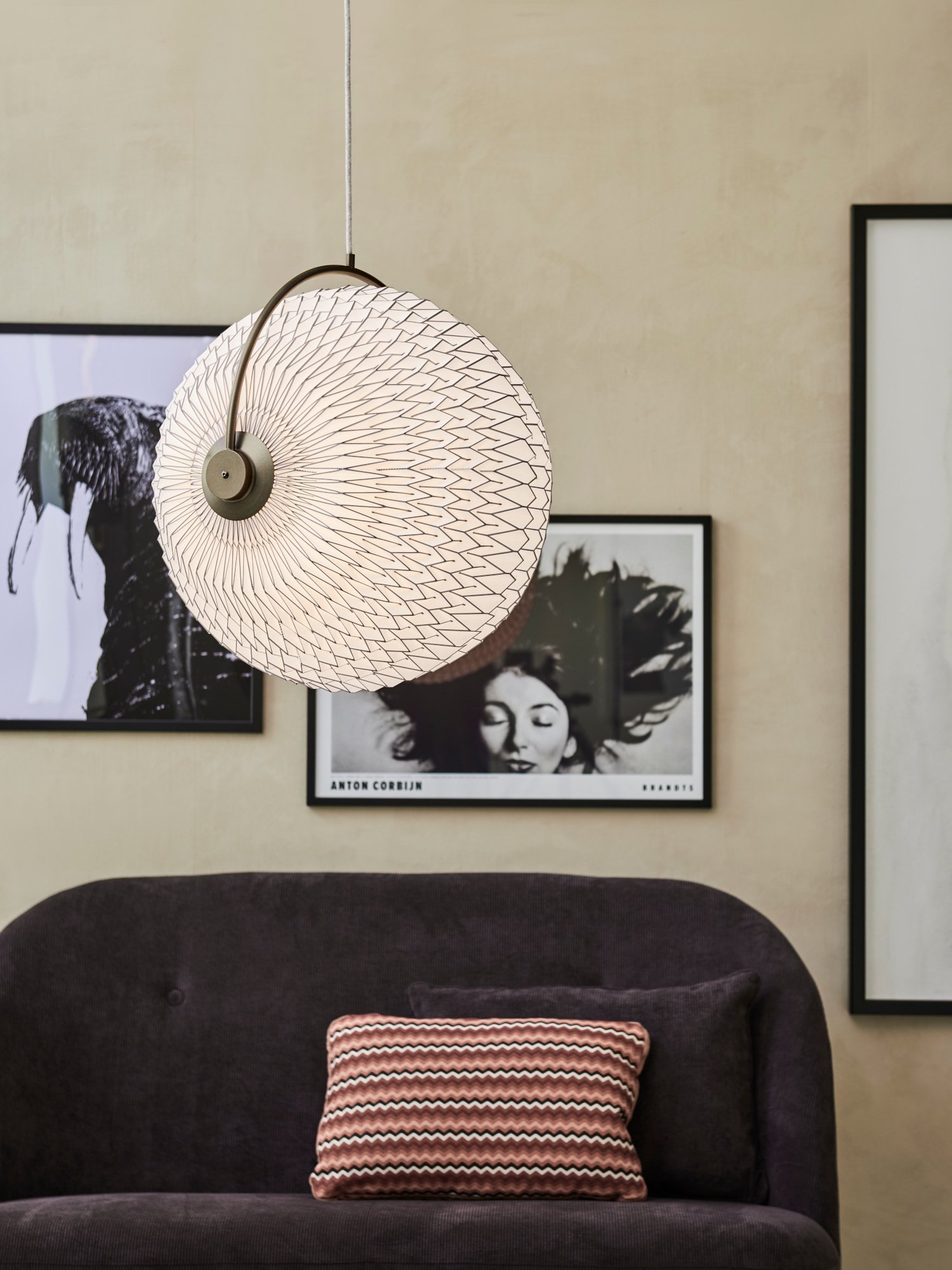
Urchina Pendant Light
New
le-klint-model-375-lamella-lamps-20-per-cent-discount-promotion-2026-smow-banner

Special Lighting for Special Moments: 20% Discount on Selected Le Klint Lights

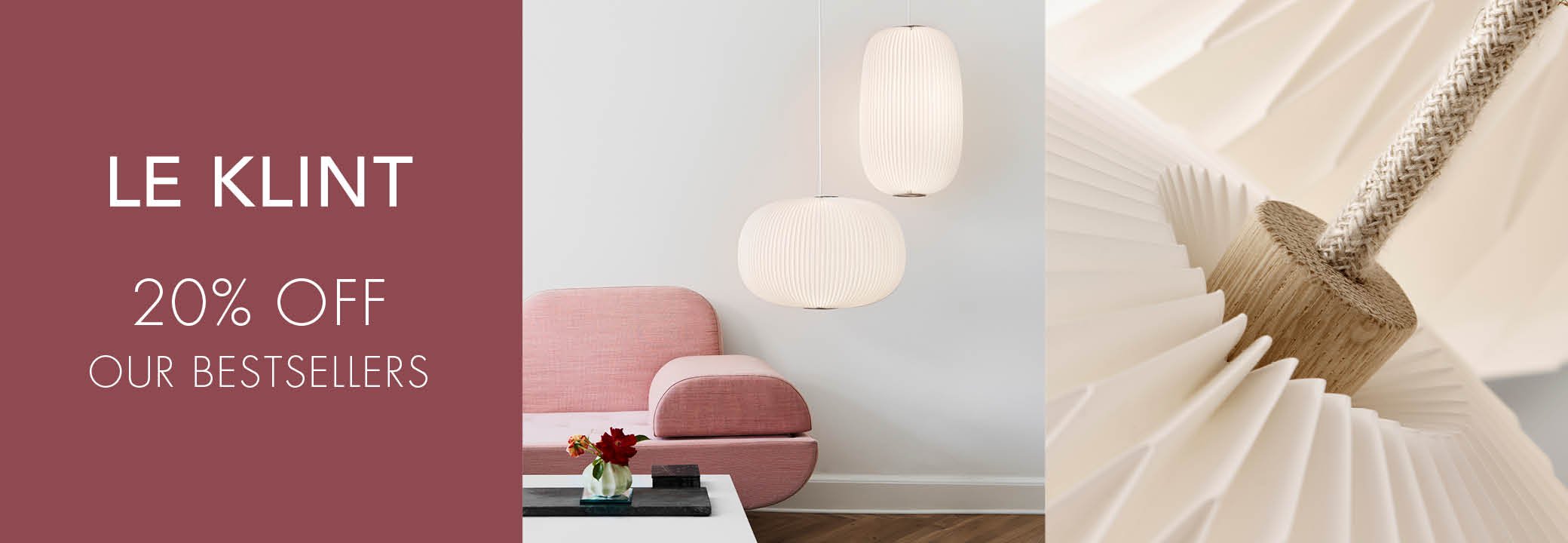
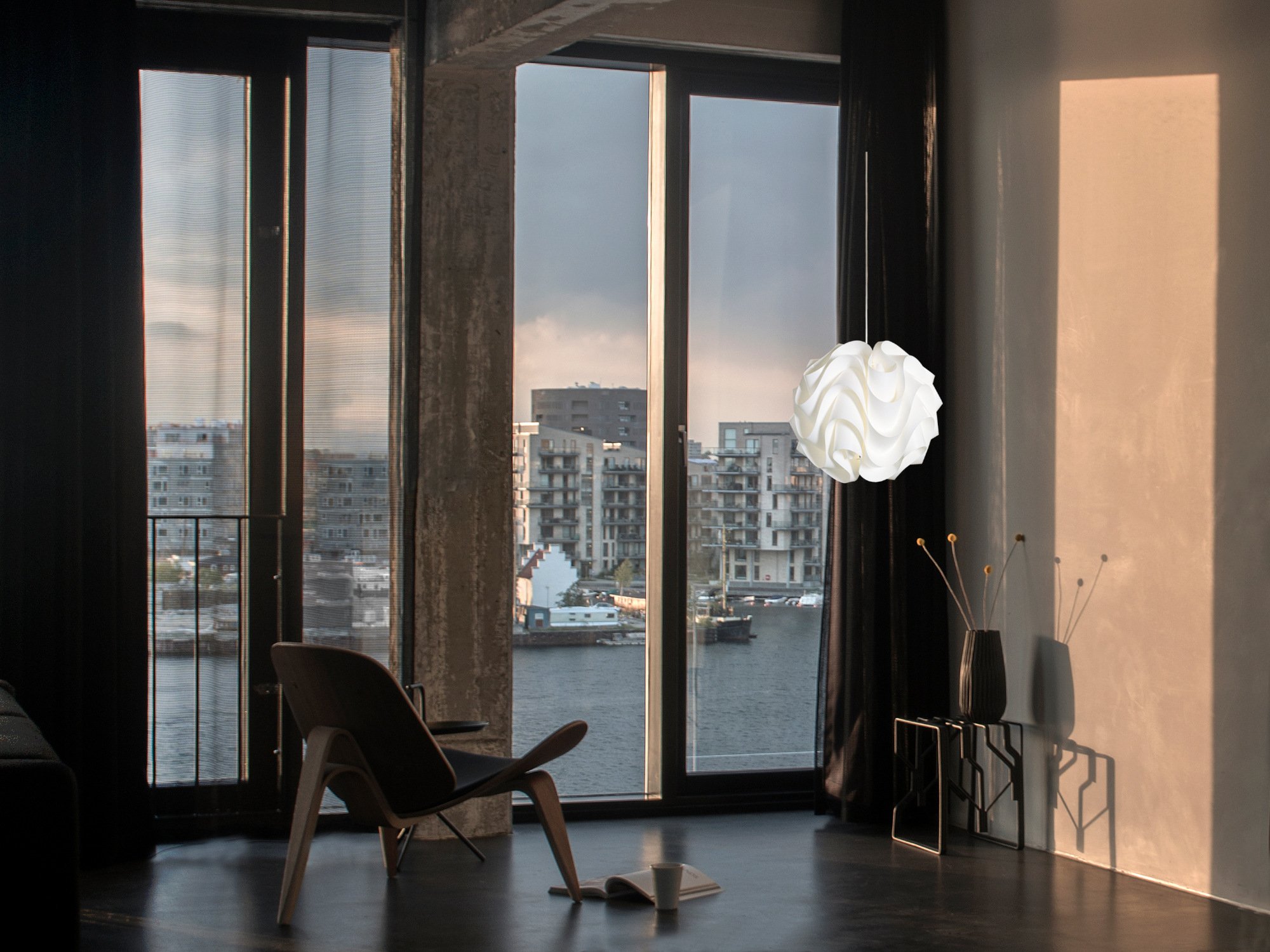
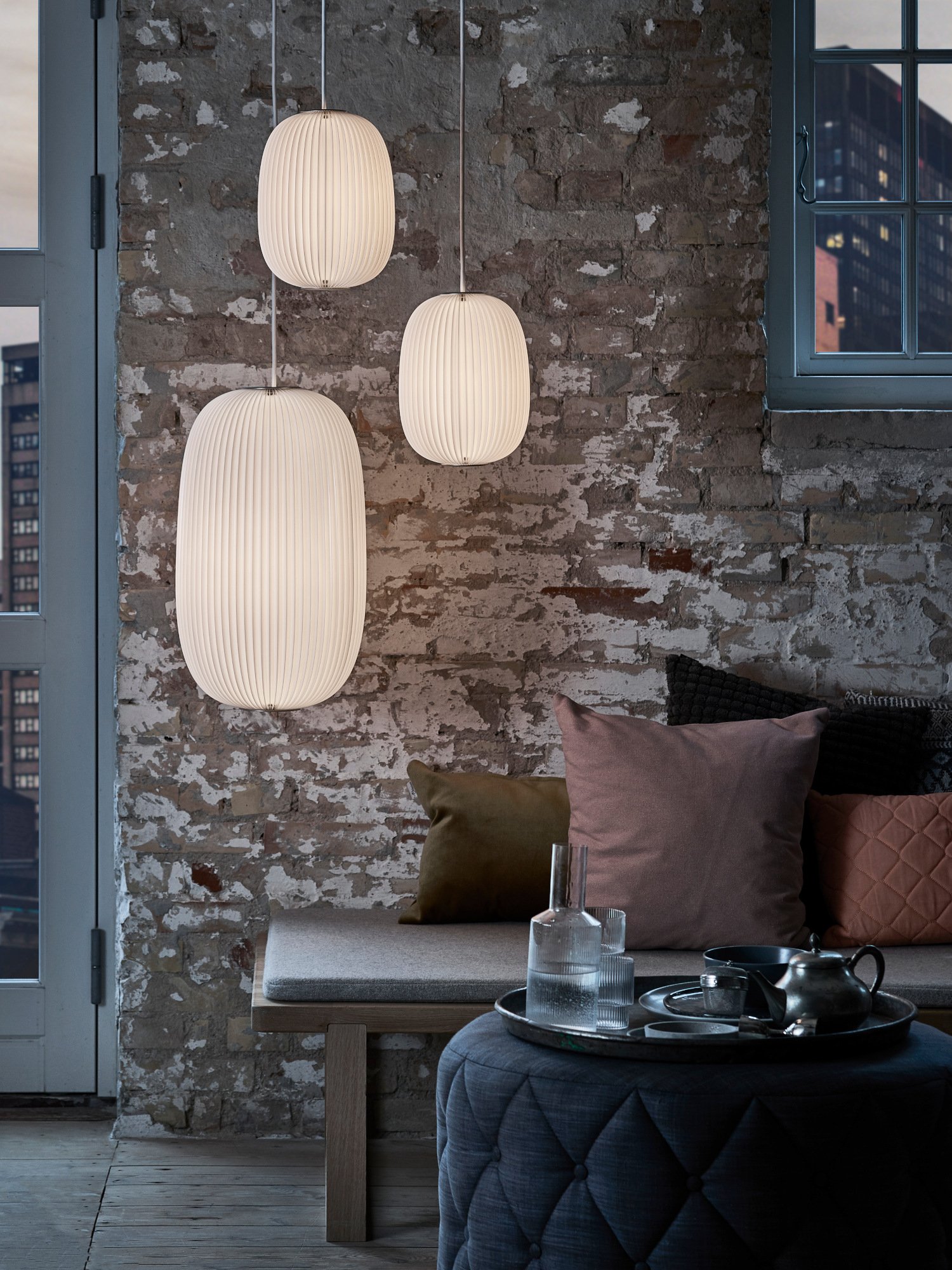
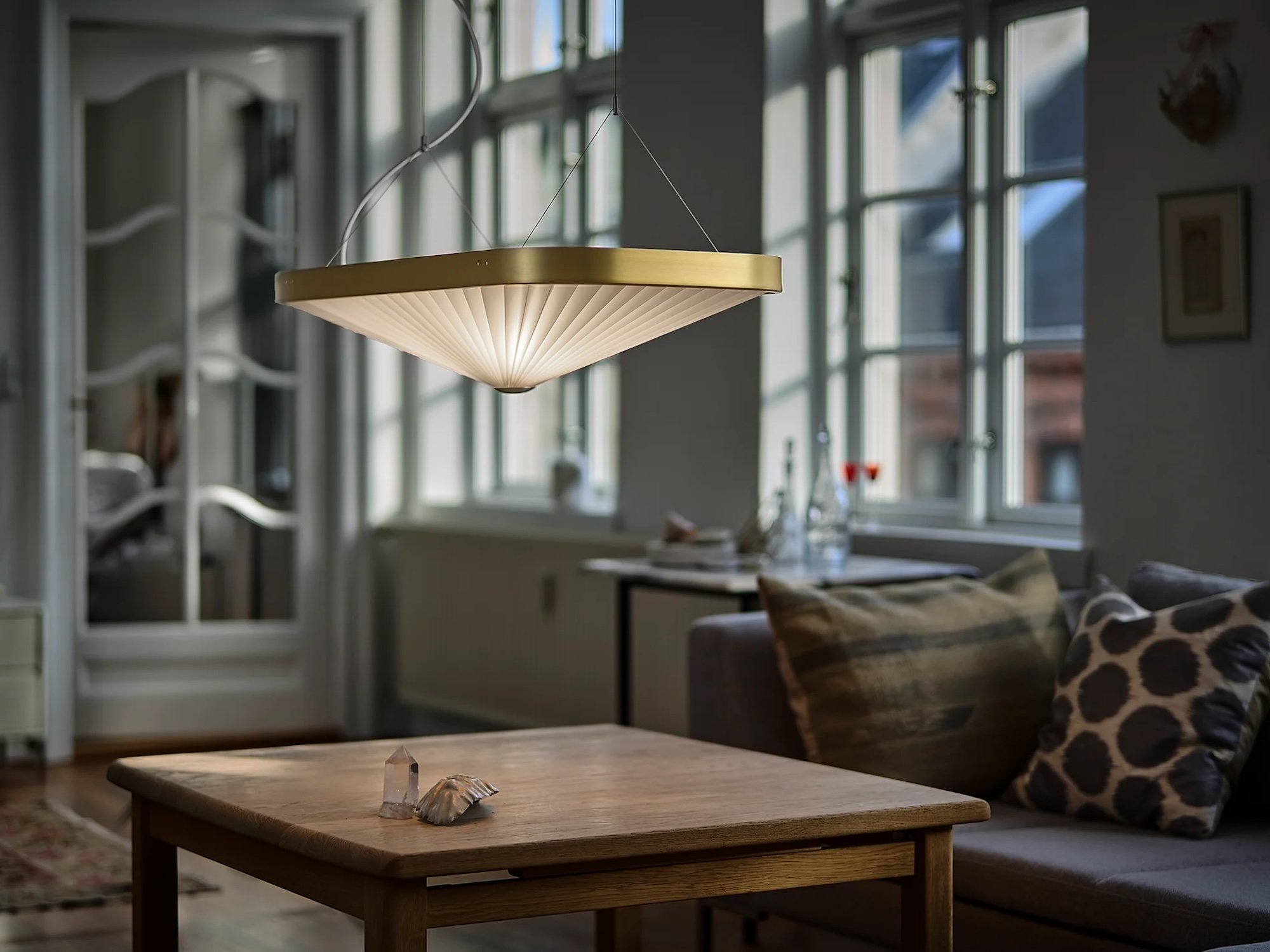
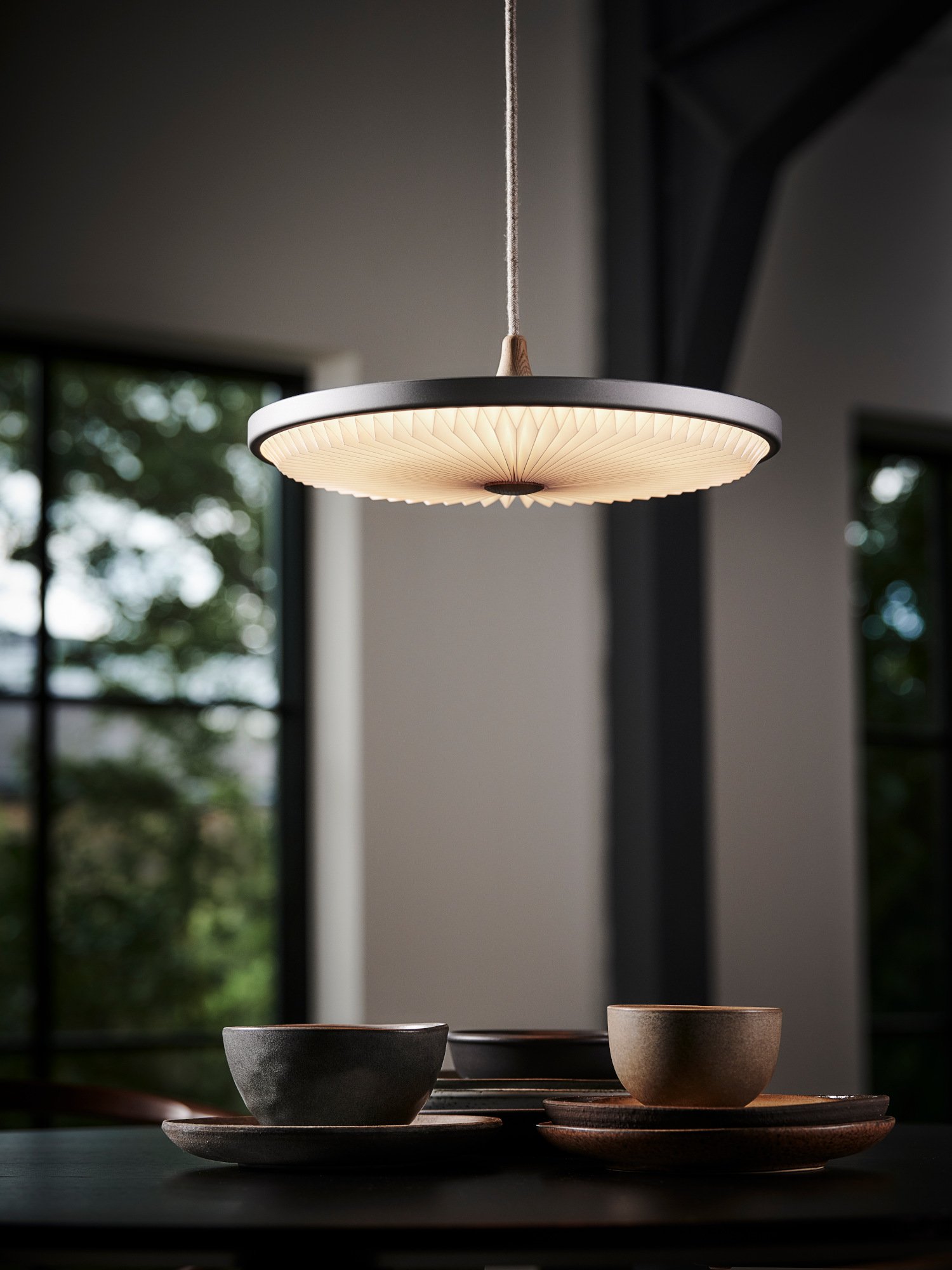
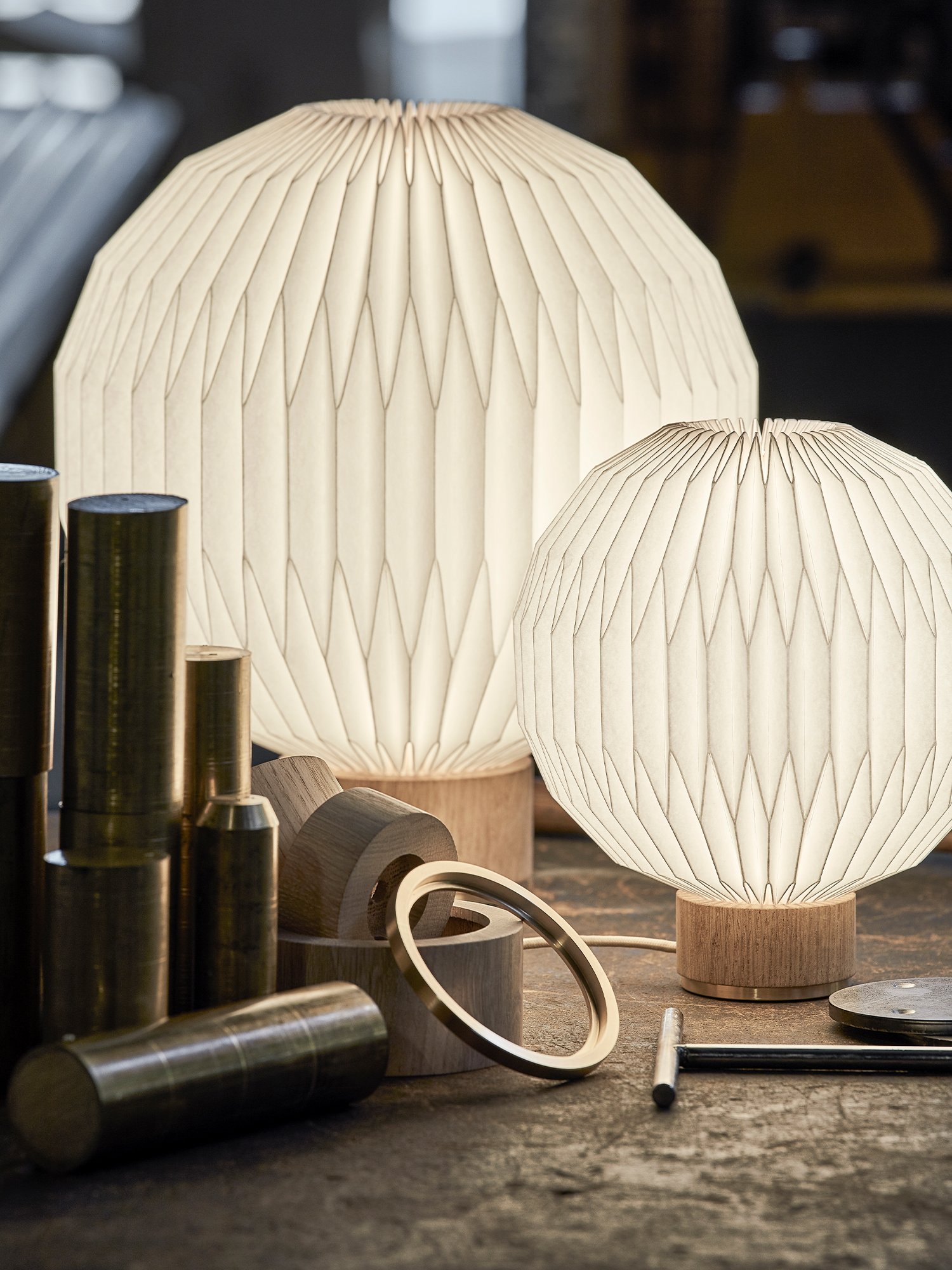
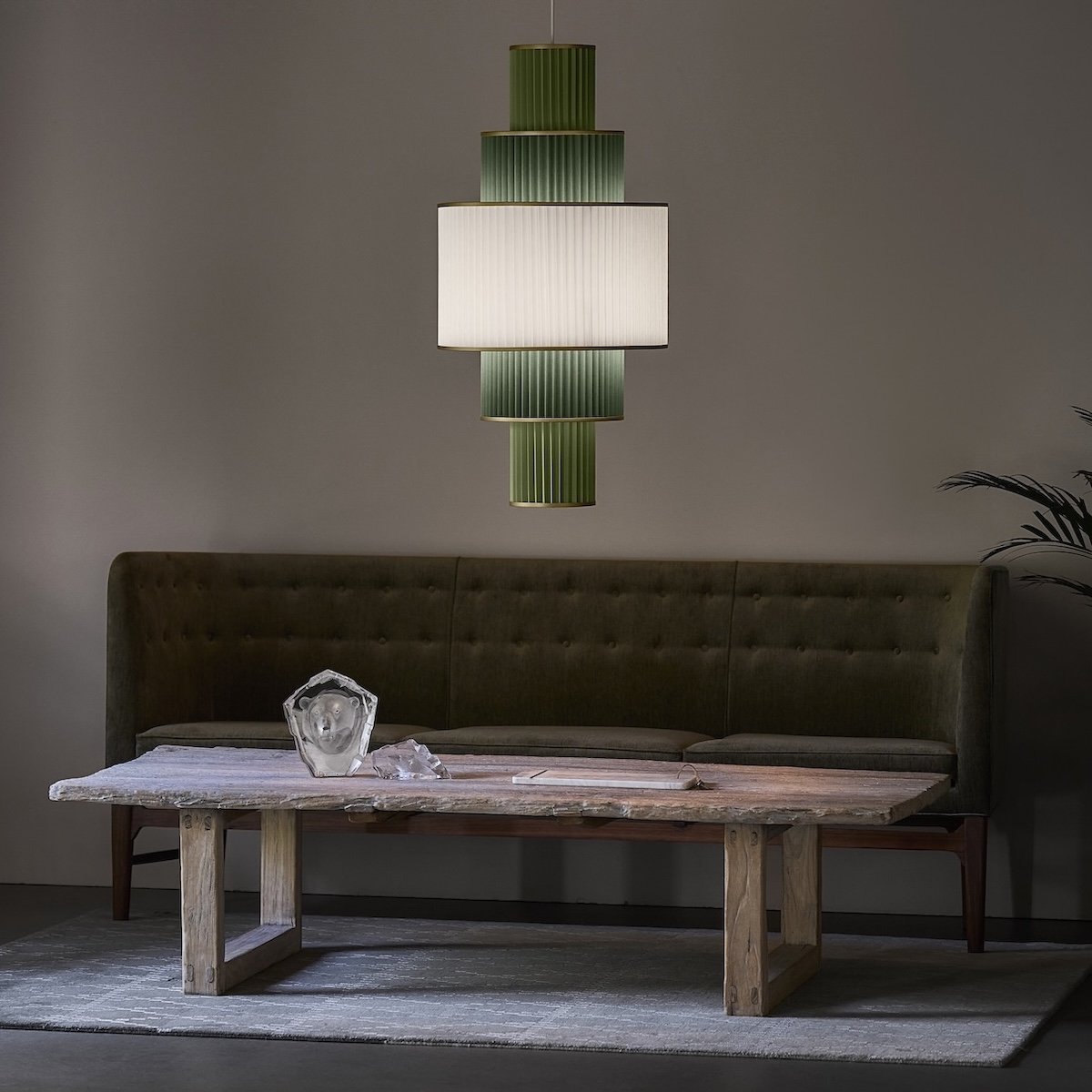
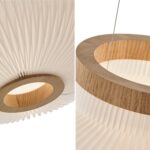
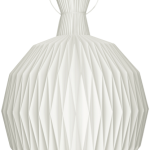
As the days grow shorter, it’s time to make your home shine even brighter: until 31 October 2026, you can enjoy a 20 per cent discount on the Le Klint Model 375 Table Lamp, Lamella Pendant Lamp and The Bouquet Pendant Lamp lights.

Not found what you were looking for?
We can deliver all products from this manufacturer. Please contact us at +49 341 22228822 or service@smow.com to discuss your specific product request.

Le Klint – Danish lighting design steeped in tradition

Since 1943, Le Klint has been synonymous with Danish lighting design and traditional craftsmanship made in Odense. The hand-pleated lampshades, made from paper or plastic film, are unmistakable and give Le Klint lights their characteristic shape and a pleasantly diffused light. In its production process, the Le Klint workshop combines traditional manufacturing techniques with contemporary design and is constantly refining its unique folding technique. The range extends from pendant lights, table lamps and floor lamps in styles ranging from classic to contemporary. Alongside well-known Le Klint design classics, new designs are regularly created that carry the brand’s legacy forward.

► Le Klint: The company’s history and the company today
► Sustainability & Social Responsibility
► Le Klint Design History
► Making the most of Le Klint: Style advice for the living room, dining room and hallway
► Discover Le Klint lighting at smow

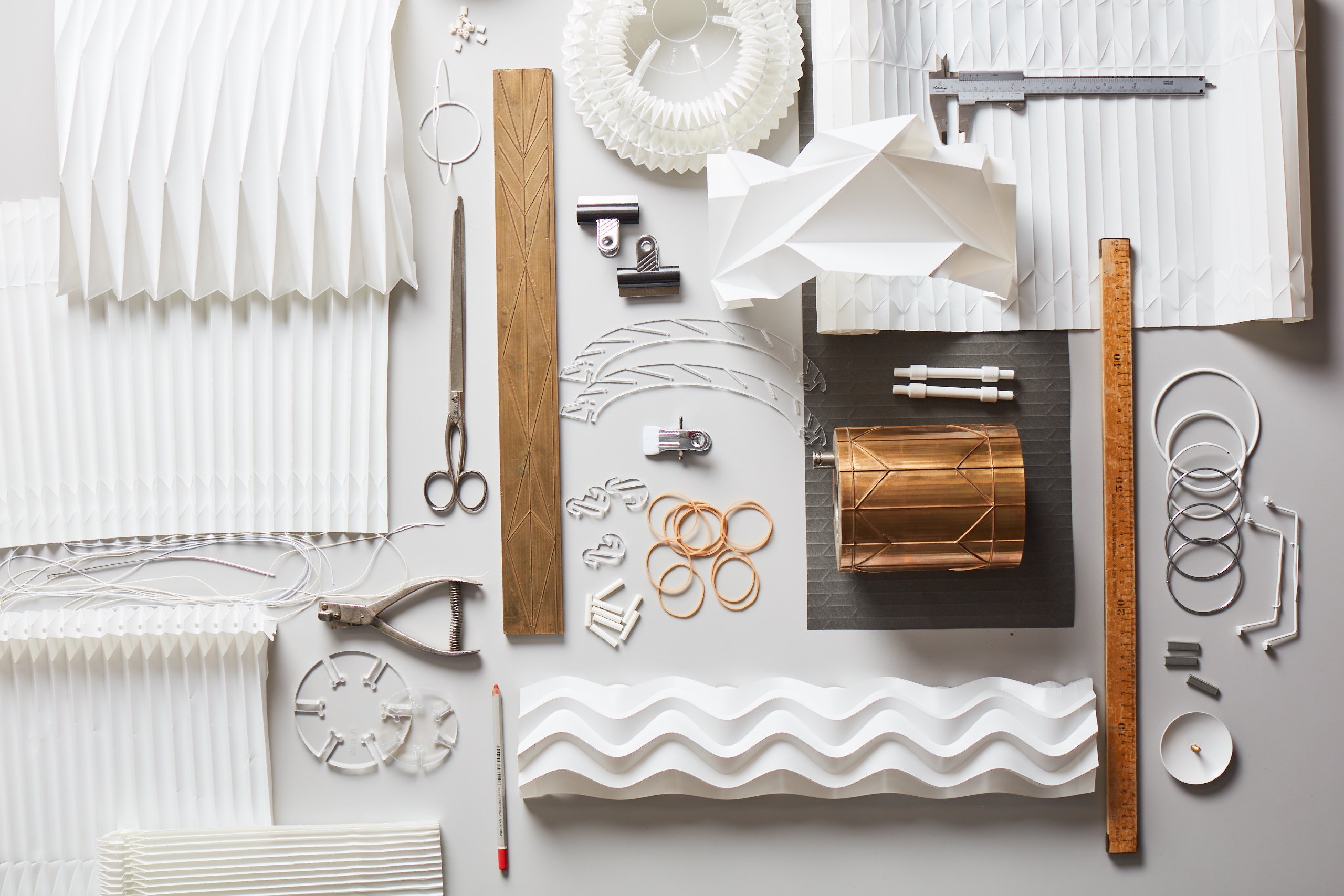
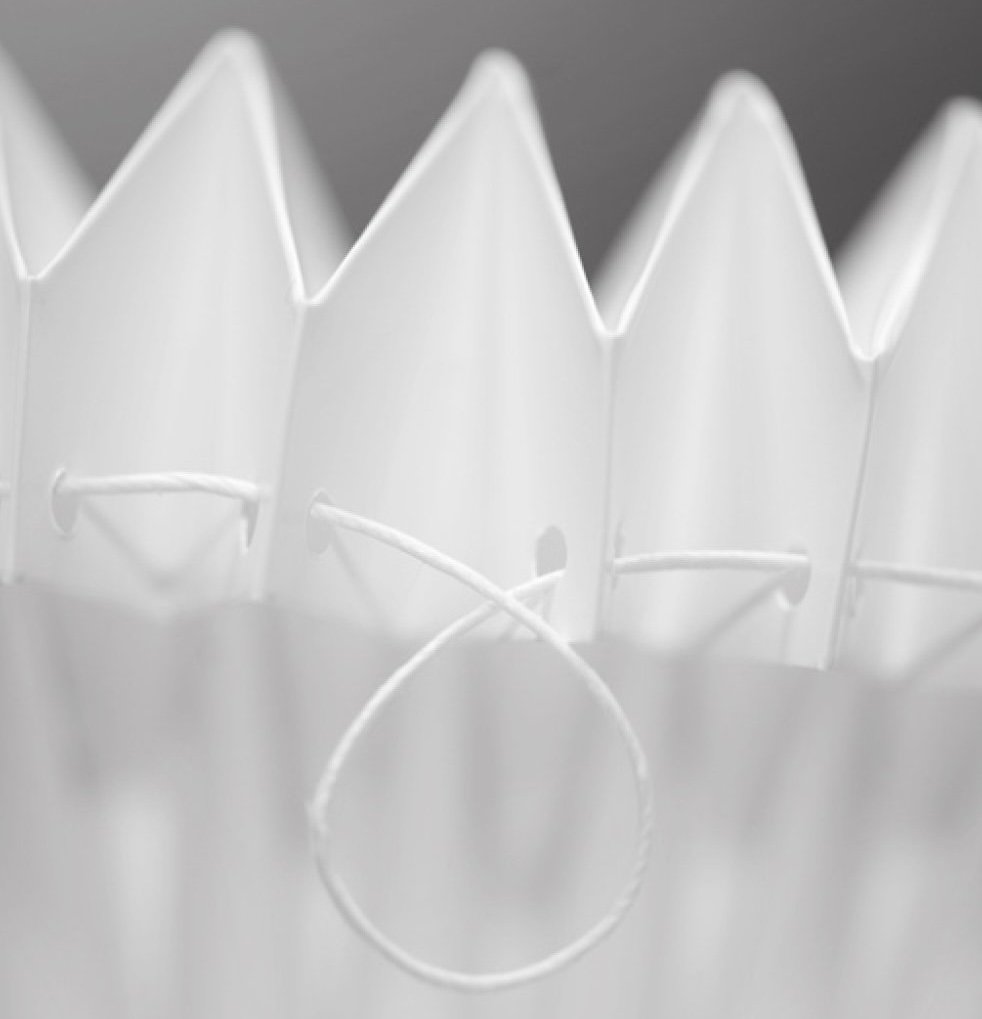
The manufacture and folding technique of Le Klint lights involve a great deal of handcraft – pictured above is the shade insert for the Caché pendant light

Le Klint: The company’s history and the company today

The history of Le Klint begins with a homemade lampshade: the Danish architect P.V. Klint designed a pleated shade for a paraffin lamp in his own home. The unique folding technique also impressed family and friends, so that more lampshades were soon created. In 1938, P.V. Klint had the folding techniques patented. In 1943, his son Tage Klint the company Le Klint in Odense, naming it after his daughter Lise Le Charlotte. In the same year, Le Klint opened its own shop in Copenhagen, which still exists today, albeit in a different guise.

The development of new materials is an integral part of Le Klint’s corporate history. Ten years after the company was founded, Tage Klint’s son, Jan Klint, took over the business. The former aeronautical engineer introduced plastic as a new material for lampshades and developed a special PVC film for Le Klint. To this day, the shades are made from paper and this specially manufactured plastic film. Odense remains the centre of Le Klint’s production. Models such as the Model 356 table lamp or the Model 162 Carronade II Large pendant lamp break with the traditional folding technique and expand the Le Klint range with new lampshade designs made from metal or plastic.

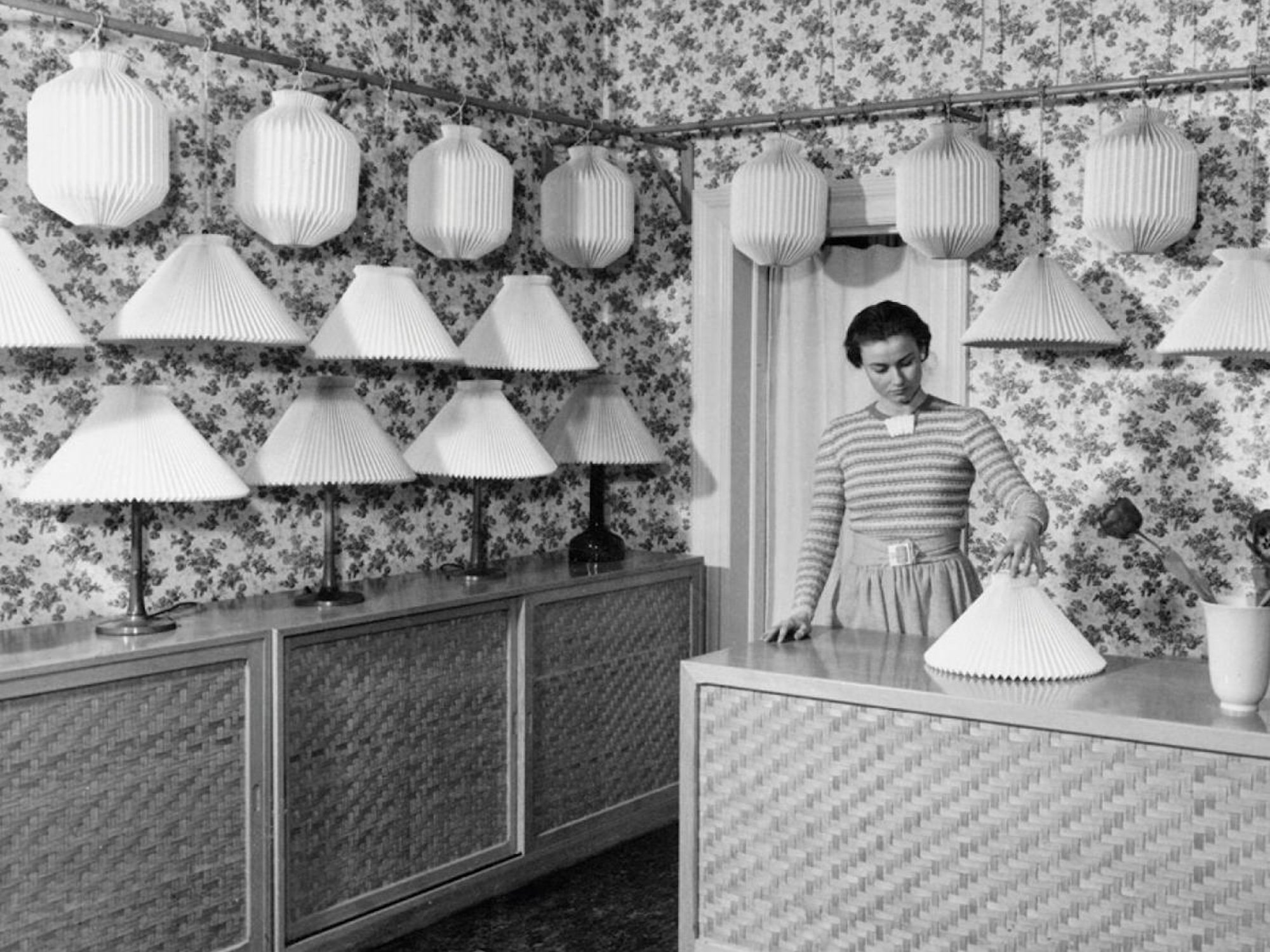
The Le Klint Store in 1943 ...

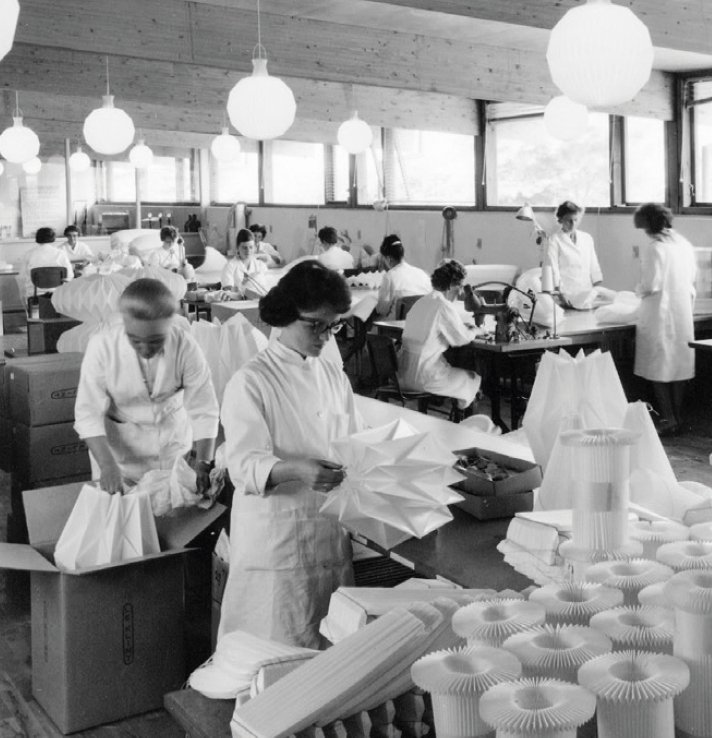
Historical photograph of lamp manufacturing in Odense, showing Model 101 pendant lights hanging from the ceiling

A close-up of the production of a lampshade

Sustainability & Social Responsibility

At Le Klint, sustainability is an integral part of the company’s philosophy and has been a fundamental aspect of the business since its inception. This includes short and transparent transport routes, certified timber sourced from the local region, and the promotion of local craftsmanship. Production in Denmark is closely linked to traditional local craftsmanship.

The longevity of the lights is also a key component sustainable design: Ideally, a Le Klint light fitting should be able to be used and passed down through the generations. The craftsmanship involved in the characteristic folding technique is preserved within the company and maintained as a traditional skill.

Social responsibility also includes supporting the next generation of designers. Le Klint awards annual scholarships to young architects and designers.

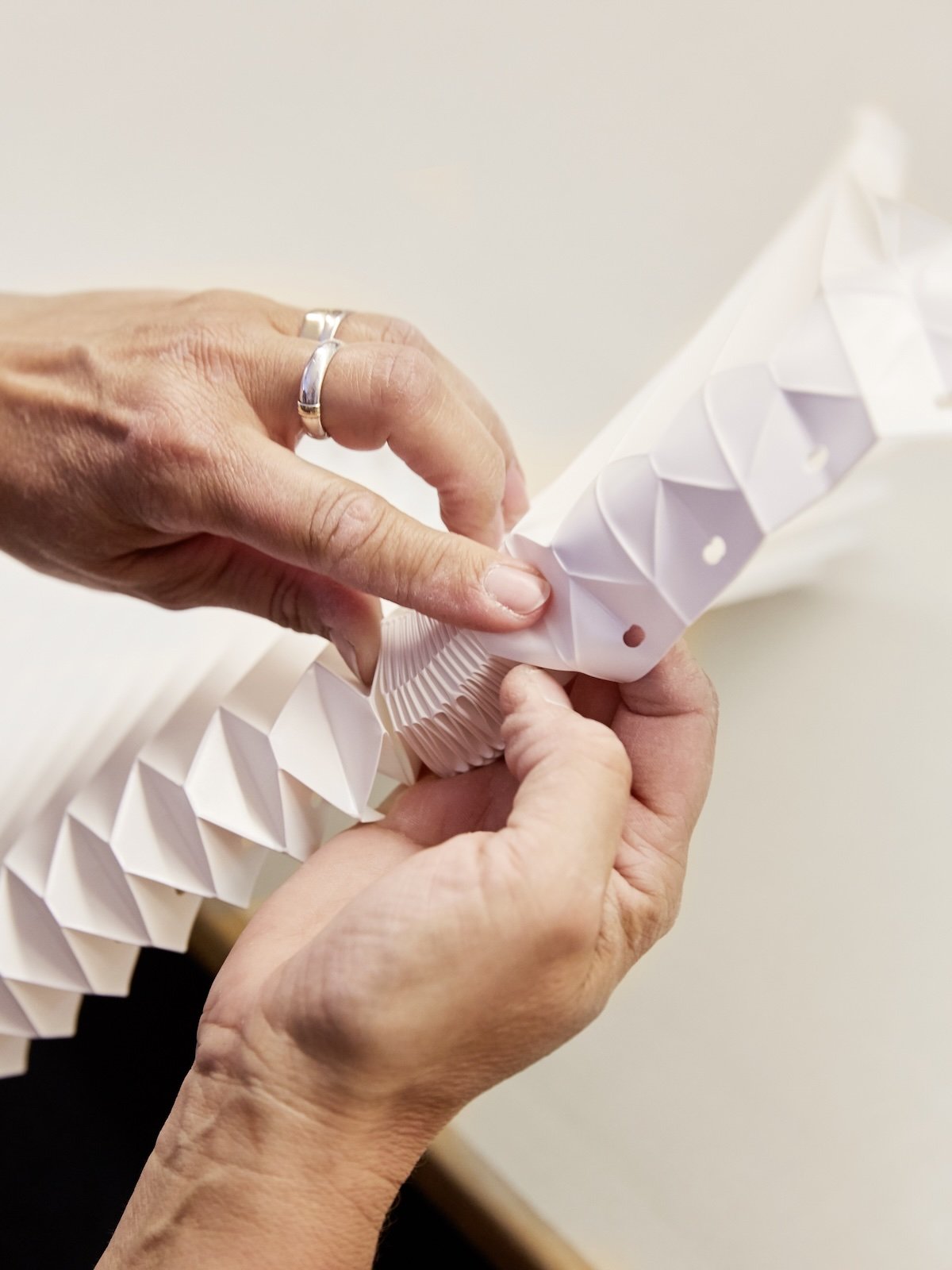
Handcrafted ‘Made in Odense’: Folding the shade of the SAX Model 120 + 223 scissor lamp

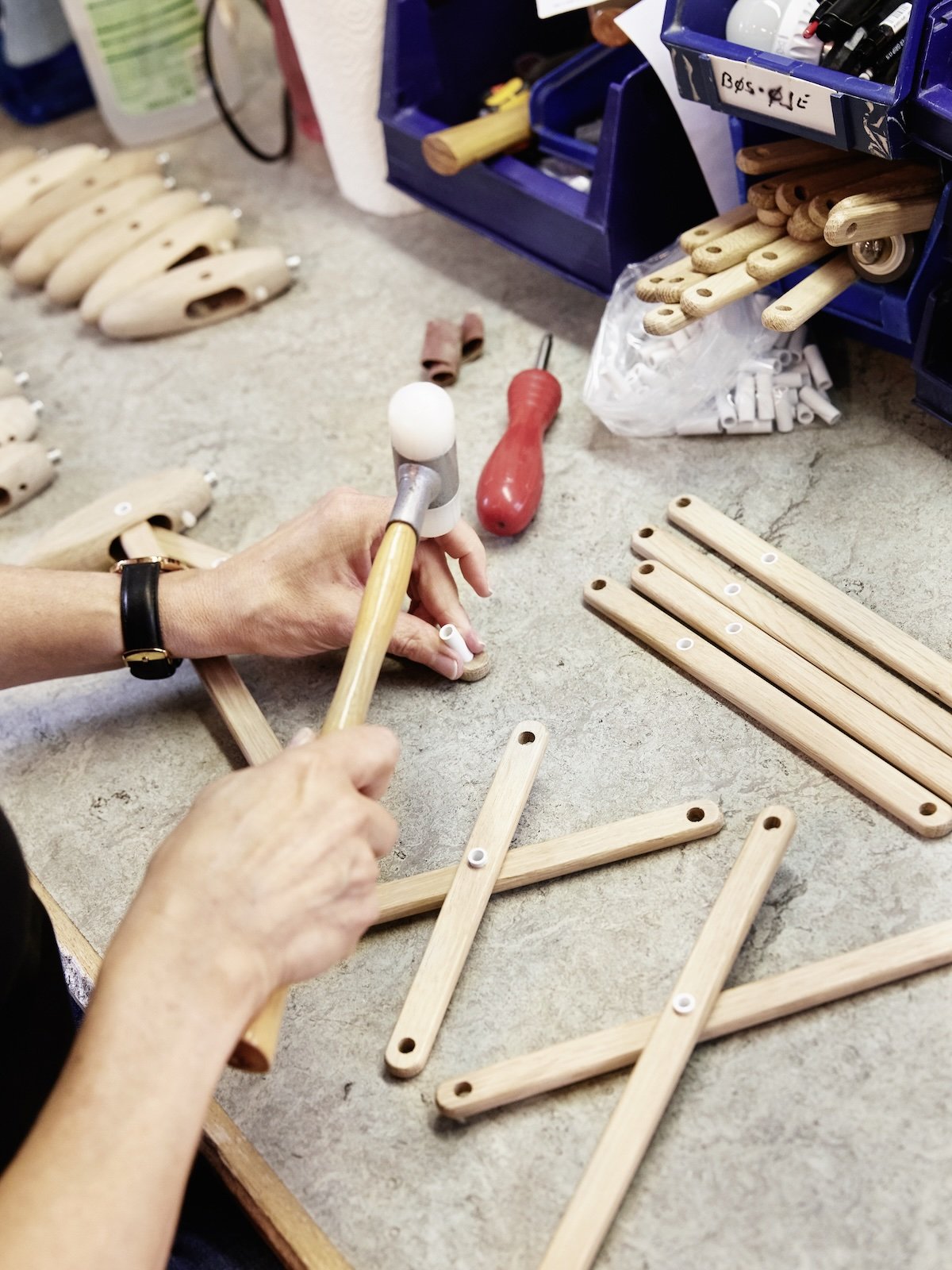
The SAX Model 120 + 223 scissor lamp is manufactured using oak components sourced from Danish suppliers

Le Klint Design History

The distinctive appearance of Le Klint lamps stems from a simple principle: folded material is transformed into a three-dimensional lampshade. Building on the early paper lamps, this technique has been refined over the decades and continually reinterpreted.

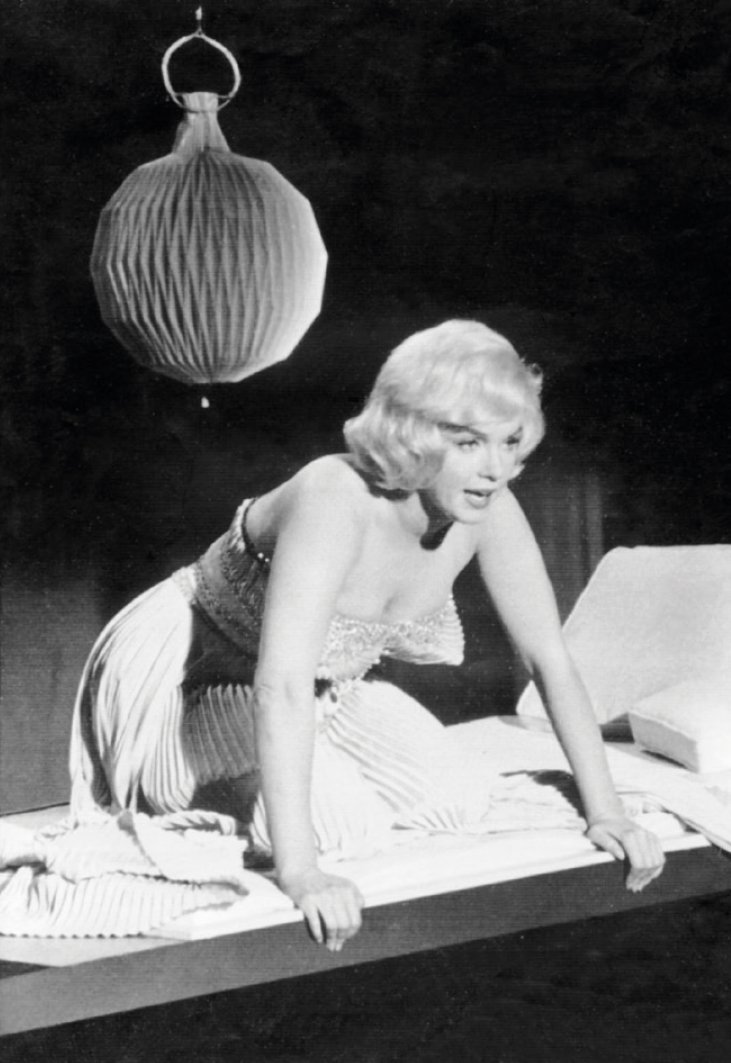
In the early years, members of the Klint family – led by Kaare Klint – were the driving force behind the brand’s design. A particularly well-known example is Model 101, also known as ‘The Lantern’ or ‘Frugtlygten’. The design dates from 1944 and is one of the brand’s early classics. The pendant light gained international recognition, amongst other things, through its appearance in the 1960 Hollywood film Let’s Make Love starring Marilyn Monroe. At the same time, Le Klint was already collaborating with external architects and designers such as Erik Hansen.

In the 1960s, the Danish architect Poul Christiansen expanded the possibilities of the traditional pleating technique. Instead of working exclusively with straight folds, he applied mathematically derived curves to the lampshades and enriched the characteristic Le Klint aesthetic with a sculptural design language. A sine curve, for example, served as the model for the organically curved lines of the Model 172.

Even today, Le Klint luminaires are created in collaboration with designers such as Rikke Frost and Takagi & Homstvedt. Designs such as the Caleo Original pendant light by Rikke Frost draw on the traditional pleating technique and reinterpret it in a contemporary form. Details made from other materials, such as the burnished brass bracket on the Caleo Original, complement the time-honoured craftsmanship with new design accents.

In this way, Le Klint’s design history combines early classics with contemporary designs. The forms and materials continue to evolve, whilst the pleated lampshade remains a defining feature of the brand.

Model 101 alongside Marilyn Monroe

Model 101: The Lantern Pendant Light in a Contemporary Context

The organically curved lines of Poul Christiansen’s Model 172 pendant light were inspired by sine curves

Timeless and simple: the Lamella pendant light by Takagi & Homstvedt is available in a range of sizes

Quality is evident in the details: the intricately designed Caleo Original pendant light by Rikke Frost

Making the most of Le Klint: Style advice for the living room, dining room and hallway

Depending on the model, a Le Klint light fitting can fulfil a wide variety of roles in your interior design. The understated colours, organic to clean-lined shapes and the warm, diffused light are particularly well suited to calm, high-quality interior design schemes.

Hanging above the dining or coffee table, a pendant light quickly becomes a focal point of the design. Models such as the Soleil or Celine pendant lights are particularly well-suited for this. The light should be positioned so that it illuminates the table well, whilst at the same time not obstructing the view between the seats. The distinctive Le Klint design creates a unique lighting effect and makes the pendant lights a striking design feature even when switched off.

In the living room, table and floor lamps can be used to create additional pockets of light where needed. The Model 375 or Bee Hive, for example, can provide cosy, indirect lighting when placed on a side table, sideboard or other surface.

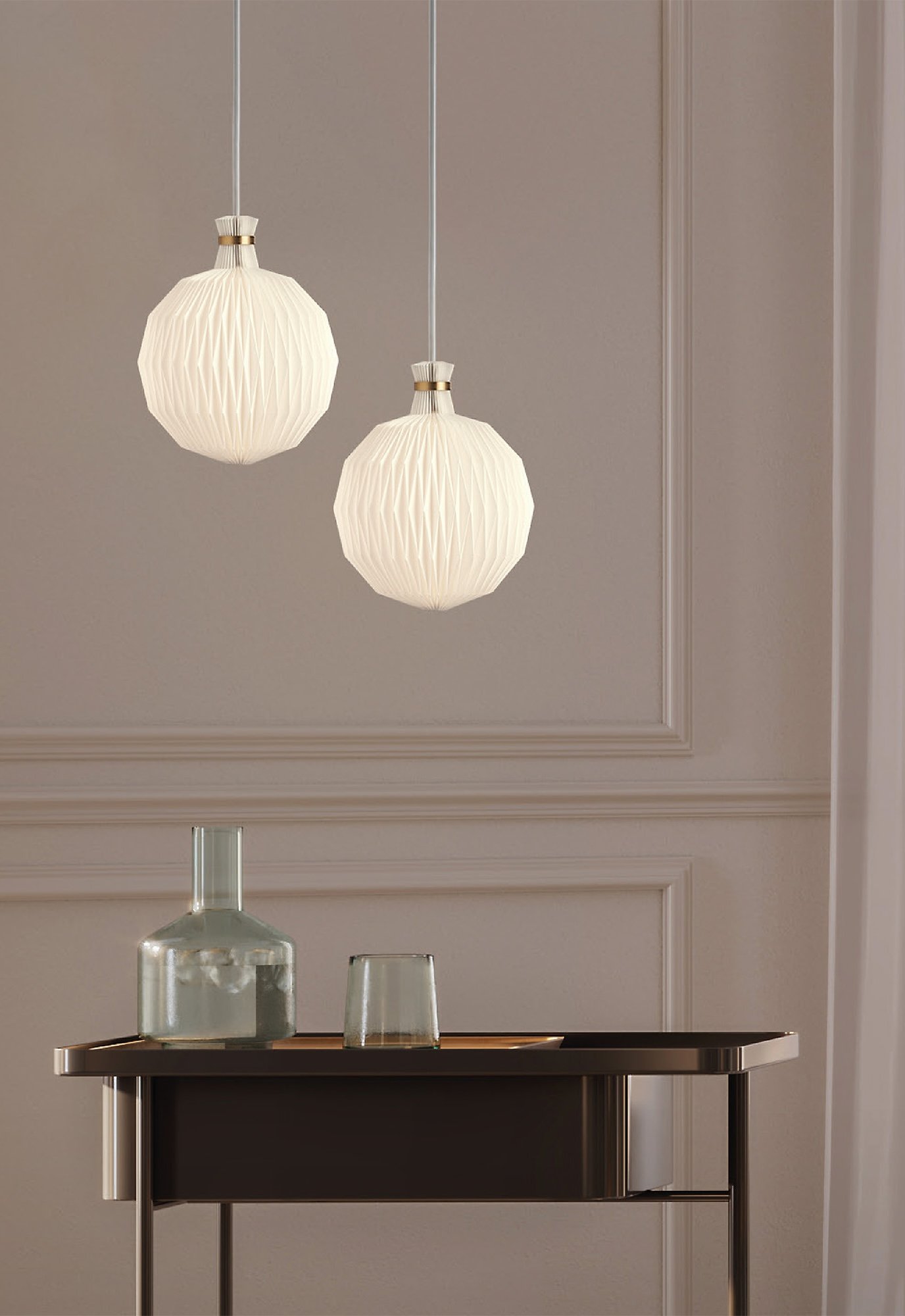
In the hallway, on the other hand, a smaller pendant light such as the Model 101 can create a focused accent. The characteristic pleating really comes into its own, particularly in entrance areas with a more understated décor.

Stylistically, Le Klint lamps are not limited to the classic Scandinavian look. The combination of handcrafted lampshades and a minimalist design language works just as well with warm minimalism, Mid-Century Design or a mix of classic and contemporary furniture.

Le Klint stands for extraordinary lighting – some models take this concept to new extremes. Models such as the Plivello pendant light or the Carronade II High floor lamp catch the eye with their extravagant design and strong presence. They are less understated and deliberately make a striking statement in the room.

Celine pendant light with its distinctive brass frame hanging above the coffee table

Soleil pendant light by Le Klint above the dining table

Particularly inviting lighting accents with the Le Klint Model 375 table lamp

Sculptural spotlight: Carronade II High floor lamp by Le Klint

Extravagant and imposing: the elegant Plivello pendant light

Discover Le Klint lighting at smow

At smow, you can explore Le Klint lighting online and visit our smow stores and see them for yourself. You can experience selected lights in person and examine the materials and finishes. For lighting design and the layout of living and working spaces, our smow team is on hand in many cities across Germany to offer personal advice and bespoke planning to assist you.
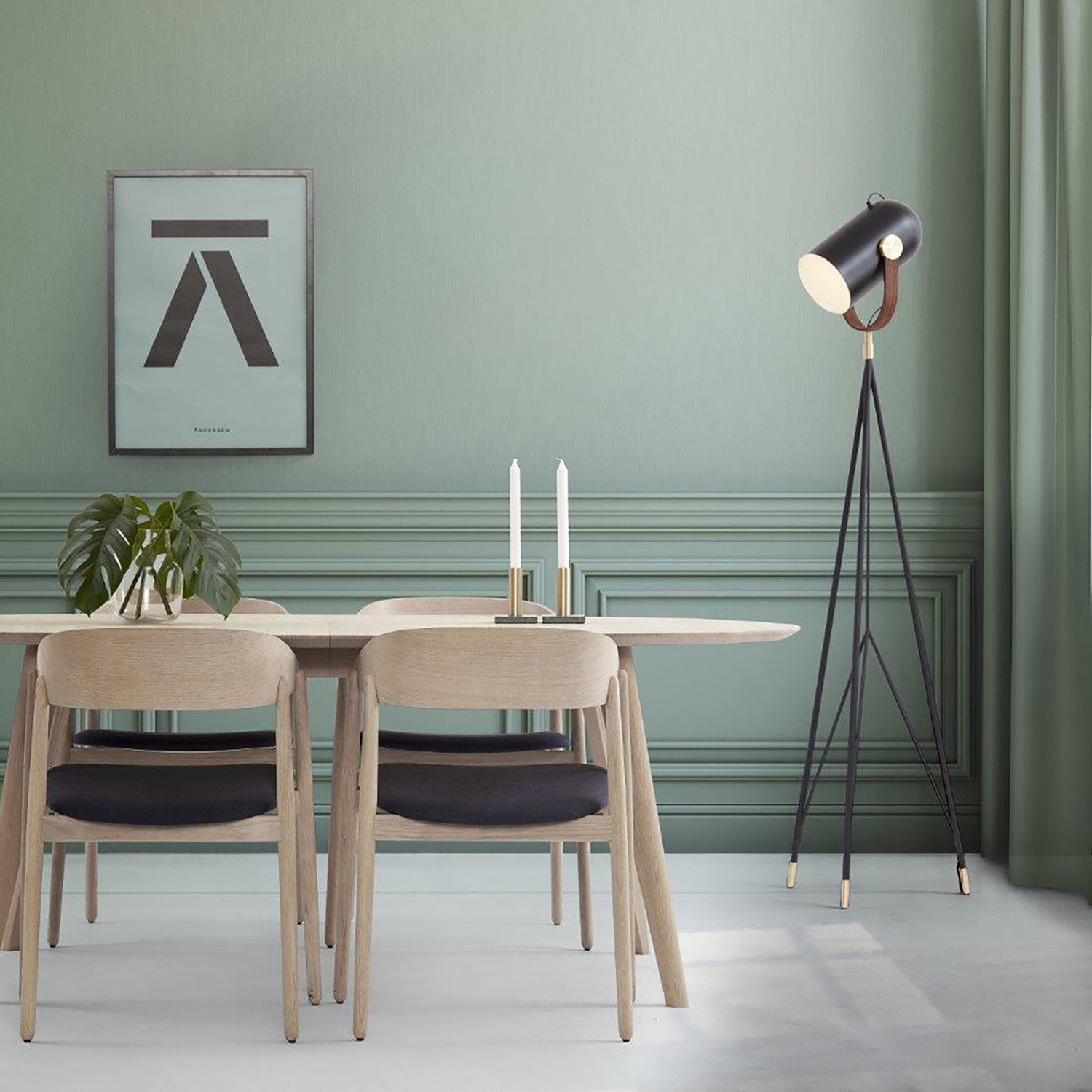
More about 'Le Klint' in our Journal

Form, Light and Everyday Life: A Conversation with Jette Scheib

...With the ‘Urchina’, she has now designed a lamp for Le Klint that brings together precisely this interest in form, function and our everyday interaction with objects... We spoke to Jette Scheib about the creation of the Urchina pendant light for Le Klint and her work as a designer – from her sources of inspiration to the design process...

The Historia Supellexalis: “L” for Le Klint

...Le Klint A Phaesporia; A Fonden; A Pleat As the ancient runes and paintings within the Caves of Lego record, during a period of great darkness in the lands of the contemporary Denmark one Peder Vilhelm det Klint, more commonly recorded as PV, a sage of fundamental importance to the development of furniture in the contemporary Denmark, a sage, legend records, hewn from Møns Klint on the sacred isle of Falster and blessed with the ability to see into the past and into the future in the same vision, a veritable Danish furniture Janus, travelled to the solitary isolation of Odense on a quest to liberate the peoples from their great suffering... A pleat which become universally celebrated across Denmark as Læg Klint, Klint's Pleat, later, and as a consequence of the, highly controversial, third great vowel shift, Le Klint...

smow Blog Design Calendar: December 15th 1888 – Happy Birthday Kaare Klint!

...22 And also as a lighting designer in context of the company Le Klint, a company established by Tage Klint in 1943, initially to produce a pleated paper lampshade Peder Vilhelm Klint had designed in ca...

IMM Cologne 2018 Compact: Arc Collection by Manér Studio for Le Klint

...Consequently it was a particularly pleasing mødes igen with the Arc Collection at IMM Cologne 2018 where it was launched as a product family by Danish manufacturer Le Klint... That Marie & Nanna's cooperation partner, Le Klint, took on the Arc Collection, and that largely unchanged from the prototypes as exhibited in Kolding, answers both questions, in terms of this particular project, in the positive...


All 'Le Klint' Posts