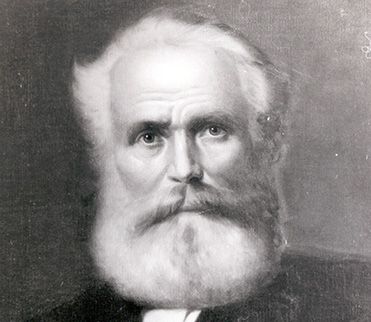
..."Thonet & Design" at Die Neue Sammlung – The Design Museum, Munich, Germany 2019 is not only the 100th anniversary of the founding of Bauhaus Weimar, but the 200th anniversary of Michael Thonet establishing his first workshop in his native Boppard am Rhein; a one man workshop in a small village in Prussia which grew into seven factories across what today is four countries... Promising a presentation of Thonet chair designs from Michael Thonet's early decades in Boppard, over the Gebrüder Thonet's bentwood works of the later 19th century and the bent tubular steel of Breuer, Luckhardt, Mies van der Rohe et al of the early 20th century and on to the myriad works of the later 20th century by the likes of Eddi Harlis, Verner Panton, Konstantin Grcic or Stefan Diez; Thonet & Design should not only provide for a fulsome and detailed overview of the development(s) of Thonet over the past two centuries, but, we would hope, explore in how far the 200th anniversary helped paved the way for the 100th...